
Plants
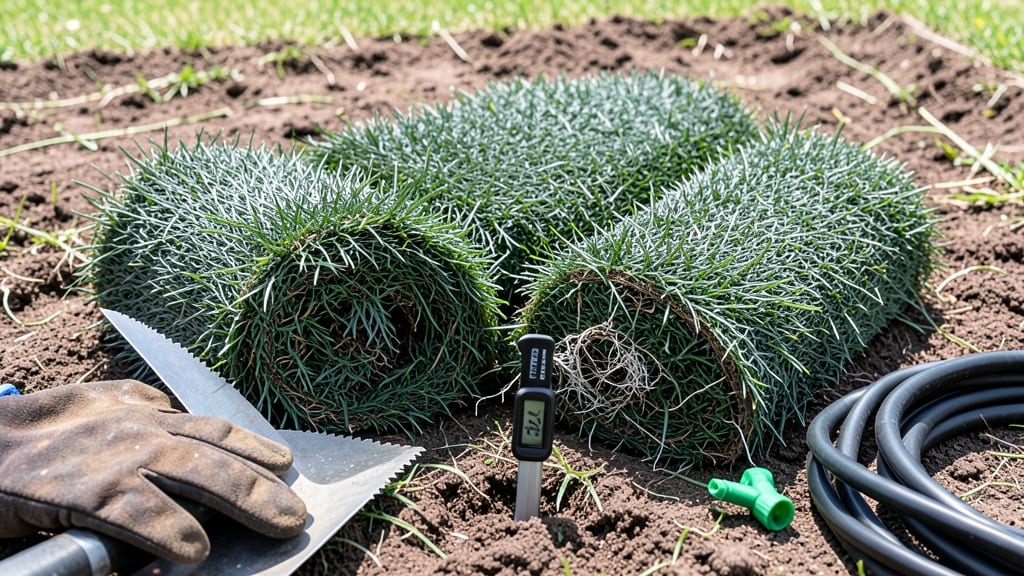
Planting Bermuda Grass 🌱 at the wrong time in the South can turn your lawn dreams into a costly mistake—seeds that sprout slowly or never take hold, leaving you staring at bare patches instead of a lush green carpet.
If you're in USDA Zones 7b-10b, timing is everything: too early and frost zaps your progress, too late and summer heat stresses young roots. The 3-month window between March and August isn't just flexible—it's your golden opportunity to align with soil warmth and rainfall patterns that make all the difference.
I've seen firsthand how a fast root spread happens when you plant Bermuda Grass at the right moment—think 70°F soil temps and consistent moisture. Skip this step, and you're fighting an uphill battle against drought or disease. Let's break down exactly when to plant for maximum success in your region.
Whether you're in Texas heat or Florida humidity, the key isn't just when you plant—it's how you prep the soil and schedule watering to give those seeds the best shot. Ready to turn your lawn from patchy to picture-perfect? Let's get started.
Best time to plant Bermuda grass in Southern climates: spring vs fall breakdown
Bermuda grass thrives in the Southern heat but needs precise planting timing to establish strong roots. Unlike cool-season grasses, Bermuda is a warm-season grass that goes dormant in winter.
The two best windows are early spring and late summer, but each has unique advantages depending on your USDA zone.
In USDA Zones 7b-9a, aim for March to early April (spring) or late July to August (fall). For Zone 10b (no frost), you can plant year-round, but spring still offers the fastest growth. The key is soil temperature—wait until it hits 65°F+ for germination.
Here’s how to choose the right window for your region:
| Season | Ideal Planting Months | Soil Temp Requirement | Growth Speed | Best For |
|---|---|---|---|---|
| Spring | March–April | 65–75°F | Fastest (6–8 weeks to full cover) | Zones 7b–9a (avoid frost risk) |
| Fall | Late July–August | 75–85°F | Moderate (8–10 weeks) | Zones 10a–10b (escape summer heat) |
Spring planting gives you a head start before summer heat, but fall planting avoids peak humidity and fungal risks. For coastal areas (e.g., Florida), fall is safer due to high summer humidity, while inland zones (e.g., Texas) benefit from spring’s longer daylight.
Pro tip: Use a soil thermometer to confirm temps. If your soil is below 65°F, seeds may rot. In Zone 10b, plant in February to beat summer’s extreme heat.
Regional microclimates matter too. For example, Atlanta (Zone 8a) should plant in mid-April, while Miami (Zone 10b) can start as early as January. Always check your last frost date—Bermuda grass cannot tolerate frost.
One common mistake? Planting too late in spring. If you miss April, your grass may struggle to establish before summer’s intense heat. Fall planting must finish 6–8 weeks before first frost to avoid winterkill.
For fastest root spread, pair planting with black plastic mulch in spring. This warms the soil 5–10°F faster, speeding up germination. Just remove it once grass reaches 3–4 inches tall.
Remember: Bermuda grass is aggressive and spreads via stolons and rhizomes. Planting at the right time ensures it outcompetes weeds and fills in quickly.
How to prepare your soil and schedule planting for fast Bermuda grass root spread
Preparing your soil properly is the foundation for a thick, fast-growing Bermuda grass lawn. Since Bermuda thrives in warm Southern climates, your soil must be well-draining, nutrient-rich, and at the right temperature (65°F or higher) for optimal germination.
Start by testing your soil’s pH level—Bermuda prefers a range of 6.0 to 7.0. If your soil is too acidic or alkaline, amend it with lime or sulfur 4-6 weeks before planting to avoid stressing the grass.
Before planting, remove any existing vegetation, including weeds or old grass, using a non-residual herbicide (like glyphosate) or manual removal. This ensures your Bermuda grass won’t compete with unwanted plants for nutrients.
Once the area is clear, loosen the top 6 inches of soil with a garden tiller or shovel to improve aeration and root penetration. Add 2-3 inches of compost or well-rotted manure to boost organic matter, which Bermuda grass loves for its aggressive growth.