
Plants
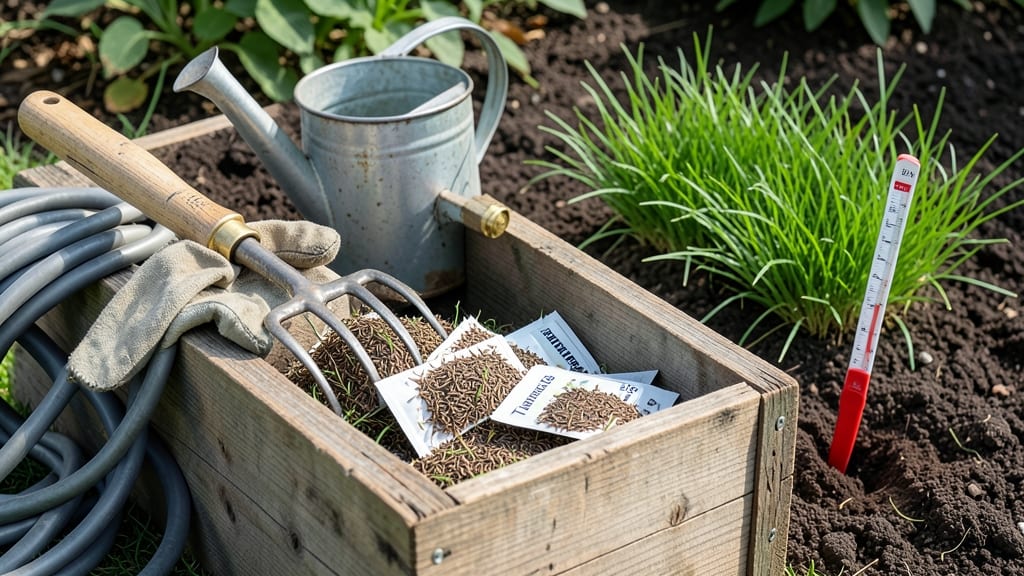
Planting Bermuda grass seed at the wrong time in Arkansas can mean wasted seeds, stunted growth, or even total failure—so timing your planting to Arkansas’ unique climate zones is critical for a lush, drought-resistant lawn.
If you’ve ever stared at your calendar wondering, "When exactly should I plant this 🌱?"—you’re not alone. Arkansas’ warm-season climate demands precision, and missing the window by even a few weeks can leave your lawn struggling in the heat.
The key lies in soil temperatures and frost-free deadlines, which vary between zones 7a and 8b. Let’s break down the exact timing and strategies to ensure your Bermuda grass thrives.
Most gardeners in Arkansas know the ideal windows are late spring (April–June) or late summer (August–September), but knowing why these months work—and how to adjust for Arkansas’ unpredictable weather—is what separates a good lawn from a great one.
We’ll cover soil prep, moisture tricks, and even backup plans for those years when spring drags on or summer heat arrives early.
Ready to transform your yard into a vibrant, resilient Bermuda grass lawn? I’ll walk you through the must-know steps, from checking soil temps to avoiding common pitfalls that derail germination. Let’s get started!
Arkansas Bermuda grass planting calendar: exact dates by USDA hardiness zones (7a-8a)
Timing your Bermuda grass planting in Arkansas depends on your USDA zone—whether you're in Zone 7a (northern AR) or Zone 8a (southern AR). These zones have different frost-free deadlines and soil temperature thresholds that determine when seeds will germinate successfully.
For both zones, the ideal planting window is when daytime temperatures stay above 75°F consistently.
In Zone 7a, the last frost typically occurs around March 15, but your Bermuda grass won’t tolerate cold soil. Wait until the soil warms to at least 65°F—usually late April to early May.
In Zone 8a, where winters are milder, you can start as early as mid-March, but aim for late March to April for best results. Both zones also offer a fall planting window from late August to early September.
Here’s how to use local weather data to fine-tune your planting schedule. Check the National Weather Service or Arkansas Extension Service for your county’s 5-day forecast and soil temperature trends.
If a late spring freeze is predicted, delay planting by 1-2 weeks to avoid seed damage. Conversely, if summer arrives early, you might need to plant earlier than usual.
For Zone 7a, the earliest safe planting date is April 20, while Zone 8a can start as early as March 25. The latest safe date for both zones is June 15, after which summer heat can stress young seedlings.
Similarly, fall planting should wrap up by September 10 to allow the grass to establish before first frost.
🌱
| Zone | Last Frost Date | Ideal Soil Temp | Spring Planting Window | Fall Planting Window |
|---|---|---|---|---|
| Zone 7a | March 15 | 65°F+ | Late April–Early June | Late August–Early Sept |
| Zone 8a | March 1 | 65°F+ | Mid-March–Early May | Late August–Early Sept |
If you’re in northern Arkansas (Zone 7a), prioritize spring planting because the fall window is shorter due to earlier frosts. In southern Arkansas (Zone 8a), you have more flexibility, but avoid planting too early—cold soil can delay germination by 2-3 weeks.
Use a soil thermometer to confirm temperatures before planting; if the soil is below 65°F, wait another week.
Another critical factor is rainfall. Bermuda grass seeds need consistent moisture to germinate, so avoid planting during dry spells. In Zone 7a, May is often the best month because it balances warm soil and moderate rainfall.
In Zone 8a, April is ideal for the same reasons. If you’re in a drought-prone area, consider using a seed starter fertilizer to jumpstart growth.
For fall planting, aim for late August to give the grass 6-8 weeks to establish before first frost. In Zone 7a, this means planting by September 10, while Zone 8a can extend to September 15.
Fall-planted Bermuda grass often outperforms spring-planted grass because it avoids summer heat stress and establishes roots before winter.
Pro tip: Use a planting calendar app like Gardenate or check your local cooperative extension office for hyper-local advice. These resources provide county-specific frost dates and historical weather patterns that can help you adjust your schedule.
For example, Fayetteville (Zone 7a) might have a later frost than Little Rock (Zone 8a), so timing matters even within the same state.
Finally, if you’re unsure about your USDA zone, use the USDA Plant Hardiness Zone Map to find your exact location. Once you know your zone, you can confidently plan your Bermuda grass planting for maximum germination and lawn success.
☀️
How to time Bermuda grass seed planting for maximum germination success
Timing your Bermuda grass seed planting in Arkansas isn’t just about picking a month—it’s about soil temperatures, moisture levels, and avoiding common pitfalls that can derail germination.
The ideal soil temperature for Bermuda grass seed is 65°F or warmer, but most gardeners in Arkansas wait until the soil hits 75°F+ to ensure strong root development and faster sprouting.
In my experience, planting too early—when soil temps dip below 60°F—can leave seeds dormant or attract pests like armyworms and chinch bugs. These critters thrive in cooler conditions and can devour your new seedlings before they even get a chance to grow.
That’s why I always test soil temps with a soil thermometer (available at garden centers for under $10) for at least 3 consecutive days before planting.
Here’s the golden rule: Plant Bermuda grass seed when daytime highs are consistently above 80°F and nighttime lows stay above 65°F. This usually aligns with late April to early June for spring plantings and late August to early September for fall plantings in Arkansas.
But don’t just guess—check your local National Weather Service forecasts or use apps like PlantNet for real-time soil temp data.
Planting Bermuda grass seed in cool, damp soil is a recipe for disaster. Seeds rot before they sprout, and fungal diseases like damping-off can wipe out your entire lawn. Always wait for soil to warm up and dry out slightly after rain before planting.
Once you’ve nailed the timing, soil preparation is your next critical step. Bermuda grass thrives in well-draining, slightly acidic soil (pH 6.0–7.0). Start by tilling the top 4–6 inches of soil to loosen compacted layers, then mix in 2–3 inches of compost or aged manure to boost organic matter.
If your soil is heavy clay (common in northern Arkansas), amend it with sand or perlite to improve drainage.
After planting, consistent moisture is key. Bermuda grass seeds need to stay evenly moist (not soggy) for the first 2–3 weeks to germinate. I recommend watering lightly 2–3 times daily (early morning, midday, and evening) to keep the top 1/4 inch of soil damp.
Once seedlings appear, switch to deep, infrequent watering (1–1.5 inches per week) to encourage deep root growth.
Pro tip: Use a light mulch layer (like straw or peat moss) after planting to retain moisture and protect seeds from bird predation. Just be sure to remove it once seedlings emerge to avoid smothering them.
With these steps, you’ll give your Bermuda grass the best possible start—no matter which Arkansas zone you’re in!