
Plants
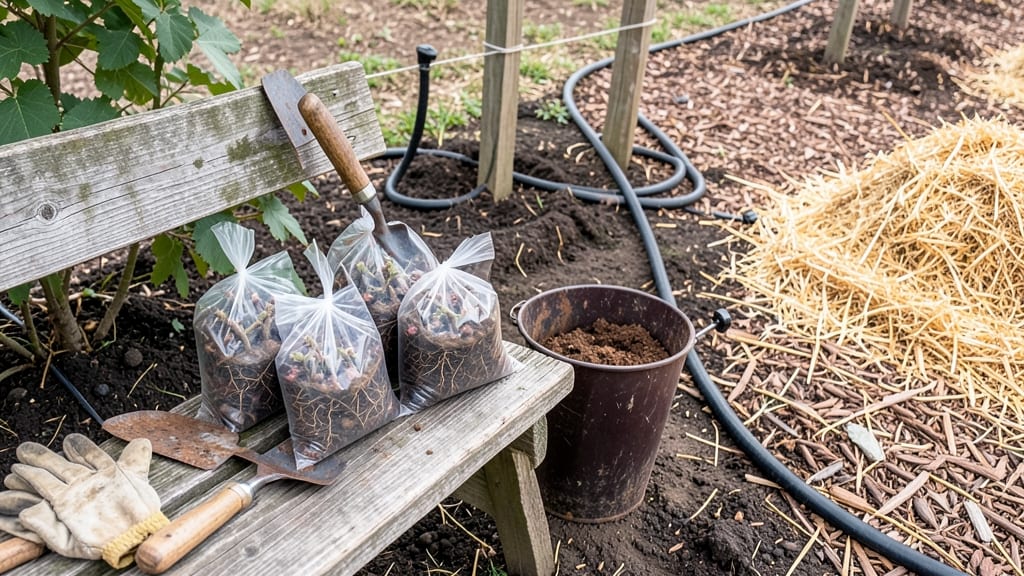
Planting blackberries in Texas at the wrong time can mean the difference between a thriving vine loaded with juicy 🫐 berries and one that wilts under the heat—or worse, freezes before it even takes root.
With Texas’s diverse climate zones—from the cooler hills of North Texas to the scorching South—timing is everything. Whether you’re planting bare-root canes or potted bushes, getting it right means fewer struggles with heat stress, better root establishment, and a harvest that stretches from late spring to early fall.
I’ve grown blackberries across Texas, and the best window? Late winter (February) or early spring (March), when soil warms up but the brutal summer heat hasn’t arrived yet. But here’s the catch: your exact planting date depends on whether you’re in frost-prone North Texas or the more forgiving 8a-10b zones.
Ready to set your blackberries up for success? Let’s break down the perfect planting schedule for your region, plus the varieties that handle Texas heat like a pro.
Best months to plant blackberries in Texas by region
Texas's diverse climate means blackberry planting times vary dramatically from North Texas to South Texas. In colder Zone 8a areas like Dallas or Fort Worth, aim for late February to early March after the last frost.
Meanwhile, South Texas (Zone 9b-10b) gardeners can plant as early as January to February, avoiding summer heat stress.
Central Texas (Zone 8b) sits in the middle, with mid-February to early April as ideal. Always check your local frost dates—North Texas typically sees its last frost around February 15, while South Texas rarely drops below freezing.
Planting too early risks winter dieback, while late planting delays first-year harvests.
For fall planting, only South Texas gardeners should attempt it in September to October. The roots need 60-80°F soil temps to establish before winter dormancy. In colder regions, fall planting is risky—you’ll likely lose young canes to freezing temperatures.
Here’s how soil temperature impacts timing: Blackberry roots thrive at 60°F+. Use a soil thermometer to confirm readiness—wait until soil warms consistently above 55°F before planting. In North Texas, this often means mid-March; in South Texas, it’s as early as January.
Texas Blackberry Planting Schedule by Region
| Region | USDA Zone | Best Planting Months | Last Frost Date | Soil Temp Goal |
|---|---|---|---|---|
| North Texas | 8a | Late February – Early March | February 15 | 60°F+ |
| Central Texas | 8b | Mid-February – Early April | February 1 | 58°F+ |
| South Texas | 9b-10b | January – February (or Sept-Oct for fall) | January 15 (rare frost) | 62°F+ |
⚠️ Pro Tip: Use black plastic mulch in colder regions to warm soil faster.
If you miss the optimal window, don’t panic—May planting still works in North and Central Texas, but prioritize watering and shade cloth during summer’s peak heat. In South Texas, avoid planting after April 15 to prevent heat shock in young canes.
Bare-root vs. potted plants also affect timing. Bare-root canes need moist soil to root quickly, so plant them 2-4 weeks before the ideal window. Potted blackberries are more flexible—plant them anytime soil is workable, but spring remains best for maximum first-year growth.
For container growing, Texas gardeners can plant anytime soil temps allow, but March-April still yields the best results. Use large pots (15+ gallons) with drainage holes to mimic in-ground conditions. Move containers to partial shade during 100°F+ days to prevent root stress.
One common mistake is planting too close to summer. Blackberries need 6-8 weeks to establish roots before Texas’s brutal heat kicks in. If you plant in late spring, mulch heavily with straw or wood chips to retain moisture and cool roots.
Finally, microclimates matter. A hilltop in North Texas may frost later than a valley, while a shaded backyard in South Texas stays cooler. Observe your space for 2-3 years to pinpoint the sweet spot for blackberries.
Best months to plant blackberries in Texas by region
Texas’s climate varies wildly from region to region, so your blackberry planting window depends on whether you’re in North Texas (colder winters), Central Texas (variable), or South Texas (hotter). In North Texas, where last frosts linger until mid-February, aim for planting in late March to avoid winter dieback.
Meanwhile, South Texas gardeners can plant as early as February, thanks to milder winters and earlier soil warming.
Soil temperature is the real game-changer: blackberries need at least 55°F for roots to establish. In Central Texas, this usually happens by early March, while North Texas may need to wait until April.
Pro tip: Use a soil thermometer to check—if it’s below 55°F, wait a week or two.
Here’s the breakdown by region, including ideal planting windows and key considerations:
Fall planting is also possible in South and Central Texas, but it’s riskier. If you plant in October or November, young roots may not establish before winter. Stick to spring for best results, especially in colder zones.
For bare-root canes, soak them overnight before planting to jumpstart root growth. If you’re planting potted bushes, do it as soon as soil temps hit 55°F—no need to wait for last frost. Just be prepared to protect them with frost cloth if a late freeze sneaks up.
One more tip: Blackberries thrive in full sun, so pick a spot with 6+ hours of direct sunlight daily. In Texas’s heat, afternoon shade can help prevent leaf scorch, but morning sun is non-negotiable for fruit production.