
Plants
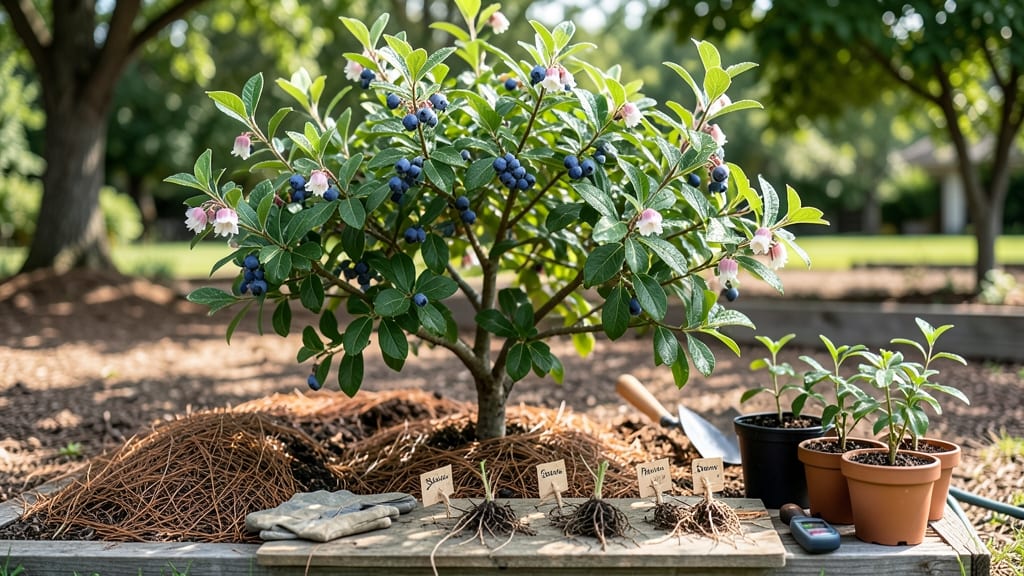
Timing your blueberry planting in Colorado isn’t just about waiting for spring—it’s about matching your plants to the chill hours your zone delivers. Skip this step, and you might end up with sparse berries or plants that struggle to thrive in Colorado’s Zone 4-7 climate.
Most gardeners assume "spring" means March or April, but for 🫐 blueberries, the real window opens after the last frost—typically late April to early June. That’s when the soil warms enough to support root growth while still giving young plants a fighting chance against late-season cold snaps.
Here’s the game-changer: different blueberry varieties need different chill hours, and Colorado’s microclimates (think Denver vs. Grand Junction) can shift your ideal planting date by weeks. I’ll break down exactly how to align your planting with your local chill hours for the best harvest.
Whether you’re a first-time gardener or a seasoned pro, getting this right means the difference between a bountiful July harvest and a sad, underperforming shrub. Let’s make sure your blueberries get off to the right start.
Best planting months for blueberries in Colorado by chill-hour requirements
Colorado’s blueberry varieties thrive when planted during their optimal chill-hour windows, which vary dramatically across the state’s USDA Zones 4-7. The Front Range (Denver, Colorado Springs) typically has 800-1,000 chill hours, while the Western Slope (Grand Junction) averages 500-700 hours.
Matching your variety to these zones ensures strong root establishment and fruit production.
For most Northern Highbush varieties (e.g., ‘Bluecrop’), the best planting window in Colorado is late April to early June, after the last frost date (usually mid-May on the Front Range).
This timing allows roots to establish before summer heat arrives. Southern Highbush varieties (e.g., ‘Top Hat’) can tolerate slightly later planting, even into early July, but require extra watering and mulching.
Fall planting is risky in Colorado due to early frosts, but container-grown blueberries can be planted in late August to early September if protected with row covers or mulch. Bare-root plants, however, should never be planted in fall—they need 6-8 weeks of root growth before winter dormancy.
In high-altitude areas like Boulder County (Zone 5-6), aim for late April planting to avoid late frosts that can damage new growth. Use frost cloth if planting in March, but avoid fall planting entirely—young roots won’t survive Colorado’s sudden freezes.
For container gardening, extend your planting window to late May or even June by using 5-gallon pots with acidic potting mix. Containers warm up faster in spring, giving you a 2-3 week head start on in-ground planting. Just ensure pots have drainage holes to prevent root rot.
If you’re in Zone 7 (e.g., Colorado Springs foothills), you can push planting to early July for Southern Highbush varieties, but prioritize daily watering and shade cloth during heatwaves. Blueberries hate stress, so consistent moisture is non-negotiable in Colorado’s dry summers.
Pro tip: Check your local coop extension office for last frost data—Denver’s last frost often arrives 2 weeks earlier than the mountains. For example, Fort Collins (Zone 5) might be safe by mid-April, while Aspen (Zone 4) waits until late May.
Remember, blueberries are finicky about timing. Planting too early risks frost damage, while planting too late delays root establishment and next year’s harvest. Aim for that sweet spot
How to adjust planting timing for Colorado’s microclimates and soil conditions
Colorado’s diverse elevations and microclimates mean your blueberry planting window can shift dramatically from Denver to Grand Junction. In Zone 4 (mountains), like Boulder County, plant bare-root bushes in late April when soil temps hit 45°F.
Meanwhile, Zone 7 (Western Slope), such as Grand Junction, can safely plant container-grown varieties until early June. Always check your local last frost date—Front Range areas average May 10, while high-altitude spots may wait until June 10.
Soil acidity is non-negotiable for blueberries—they thrive in pH 4.5-5.5. Test your soil 6-8 weeks before planting using a home pH kit or send a sample to your local Cooperative Extension office.
If your soil is alkaline (common in Colorado), amend with elemental sulfur or peat moss to lower pH. For high-altitude gardens, mix in pine bark fines for long-term acidity.
🌱 Did You Know? Colorado’s alkaline soils often require 1-2 pounds of sulfur per 100 sq ft to reach ideal pH. Apply sulfur 2-3 months before planting—it takes time to adjust soil chemistry!
| Microclimate | Planting Window | Soil Prep | Adjustments |
|---|---|---|---|
| Front Range (Denver, Boulder) | Late April - Early May | pH 4.5-5.5, pine bark fines | Use row covers if frost risk remains |
| Western Slope (Grand Junction) | Early May - Early June | pH 4.5-5.5, sulfur amendment | Plant container-grown for flexibility |
| High Altitude (Aspen, Vail) | Late May - Early June | pH 4.5-5.5, peat moss | Extend season with cold frames |
For Zone 4-5 gardens, extend your planting season with row covers or cold frames. These protect young plants from late spring frosts and allow you to plant 2-3 weeks earlier. Remove covers during the day to prevent overheating, and secure them tightly at night.
In containers, you can plant up to September in Colorado’s warmer microclimates, but ensure pots have drainage holes and use acidic potting mix.
Mulch heavily with pine straw or wood chips after planting to retain moisture and regulate soil temperature. In high-desert areas, mulch also protects roots from temperature swings.
Avoid organic mulches like grass clippings—they raise soil pH over time. Instead, opt for pine bark or coconut coir, which maintain acidity while suppressing weeds.
If you’re in a dry microclimate, like the Western Slope, group blueberry bushes together to create a microclimate with higher humidity. This reduces water stress and improves fruit set.
Water deeply 2-3 times per week during the first growing season to establish strong roots. Use drip irrigation to deliver water directly to the root zone and minimize evaporation.
Finally, monitor your plants for late-season heat stress, especially in Zone 7. If temperatures exceed 90°F, provide afternoon shade with shade cloth to prevent sunburn on leaves and fruit. With these adjustments, your Colorado blueberry patch will thrive regardless of elevation or microclimate! 🌿