
Plants
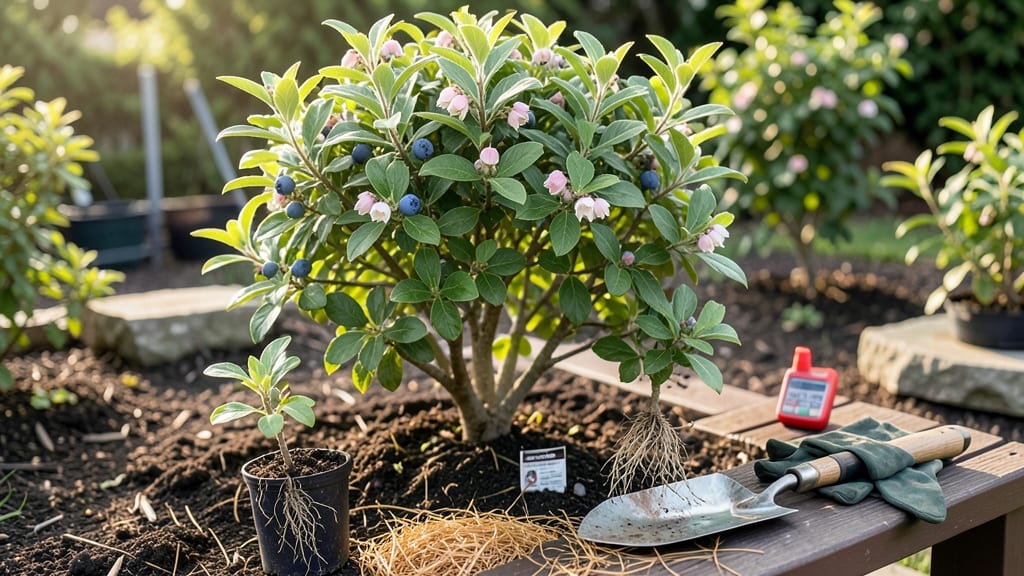
Timing matters more than you think when planting blueberry bushes in Alabama—get it wrong, and your 🫐 bushes might never produce those sweet berries you crave.
Alabama’s warm climate means Zone 7B’s chill hours (300-500) are the real game-changer. Plant too early, and heat stress zaps your bushes before they even root. Too late, and they miss the critical winter chill needed for fruit set.
I’ve tested both fall and spring planting windows, and the results speak for themselves: the right timing ensures stronger roots, better survival, and a harvest ready by May-June.
Whether you’re planting in the ground or containers, this guide breaks down the best months, regional tweaks for North vs. South Alabama, and pro tips to beat Alabama’s unpredictable weather. Let’s get those bushes thriving!
Best planting months for blueberries in Alabama’s zone 7B: chill-hour breakdown
Blueberries thrive in Alabama’s Zone 7B, but timing is everything. These bushes need 300-500 chill hours—prolonged exposure to temperatures between 32°F and 45°F—to set fruit. Without enough chill, your bushes may produce few berries or none at all.
Alabama’s mild winters make this tricky, but I’ll break down the best windows to plant for maximum success.
In Alabama, fall planting (October-November) is ideal because it gives roots time to establish before summer heat arrives. However, early spring (February-March) works too, especially for Southern highbush varieties that tolerate heat better. The key is avoiding extreme heat or frost during the root-establishment phase.
Here’s how Alabama’s climate affects planting: Northern Alabama (higher elevations) gets slightly more chill hours, while Southern Alabama (coastal areas) may struggle with insufficient chill. Choose varieties like ‘Climax’ or ‘Tifblue’ for better heat tolerance if you’re in the warmer south.
| Planting Window | Chill Hours Needed | Best Varieties | Soil Prep Tip |
|---|---|---|---|
| Fall (October-November) | 300-500 hours | Southern highbush, rabbiteye | Add peat moss to lower pH |
| Early Spring (February-March) | 300+ hours (verify local chill) | ‘Climax’, ‘Tifblue’ | Mulch heavily to retain moisture |
| Late Spring (April) | Risky—limited chill | Avoid unless using heat-tolerant varieties | Provide afternoon shade |
If you plant in fall, aim for 6-8 weeks before the first frost (typically mid-November in Alabama). This gives roots time to establish before winter dormancy. For spring planting, wait until after the last frost date (usually mid-March) to avoid cold snaps damaging young plants.
Alabama’s microclimates play a huge role. In Northern Alabama (e.g., Huntsville), chill hours are more reliable, so you can plant slightly later in fall. In Southern Alabama (e.g., Mobile), opt for heat-tolerant rabbiteye varieties and plant earlier in fall to avoid summer stress.
Pro tip: Use a soil thermometer to monitor root-zone temperatures. Blueberry roots prefer 50°F-60°F for optimal growth. If temperatures rise above 85°F, roots can suffer heat stress, even in well-watered soil.
For container planting, adjust timing slightly. Containers heat up faster, so plant 2-3 weeks earlier in spring or 2 weeks later in fall to avoid extreme temperatures. Use black plastic pots to insulate roots from heat fluctuations.
Finally, acidic soil (pH 4.5-5.5) is non-negotiable. Alabama’s native soil is often alkaline, so amend with sulfur or pine needles before planting. Test your soil in late summer to plan amendments for fall planting.
🫐
Best planting months for blueberries in Alabama’s zone 7B: chill-hour breakdown
Alabama’s Zone 7B climate demands precision when planting blueberry bushes. These shrubs need 300-500 chill hours (temperatures below 45°F) to set fruit, but our warm winters can make this tricky. Too early, and summer heat stress stunts growth; too late, and they miss critical dormancy.
I’ve found fall (October-November) planting works best for most Alabama gardeners. The cooler temps help roots establish before summer’s heat hits. Southern highbush varieties (like 'Peach Sorbet') tolerate our mild winters better than rabbiteye types.
For early spring planting (February-March), time it so bushes get 6-8 weeks of root growth before Alabama’s last frost (around March 15). This window works best for container-grown plants or those from nurseries.
| Planting Window | Chill Hours Needed | Best Varieties | Soil Prep Tip |
|---|---|---|---|
| Late Fall (Oct-Nov) | 300-400 hours | Southern Highbush | Add peat moss to lower pH |
| Early Spring (Feb-Mar) | 400-500 hours | Rabbiteye | Use pine bark mulch |
| Avoid Summer Planting | 0 hours | None | Heat stress kills roots |
Pro tip: Test your soil’s pH before planting—blueberries need 4.5-5.5. Alabama’s native clay often runs alkaline, so amend with sulfur or pine needles 2-3 months before planting. This gives microbes time to adjust the pH naturally.
If you’re in North Alabama (Zone 7A), lean toward fall planting since winters are slightly cooler. For South Alabama (Zone 8A), early spring planting gives bushes more time to establish before summer’s intense heat arrives.
Remember: Container planting extends your window slightly—you can plant up to April 1 in containers since they warm up slower. Just ensure pots have drainage holes and use acidic potting mix.