
Plants
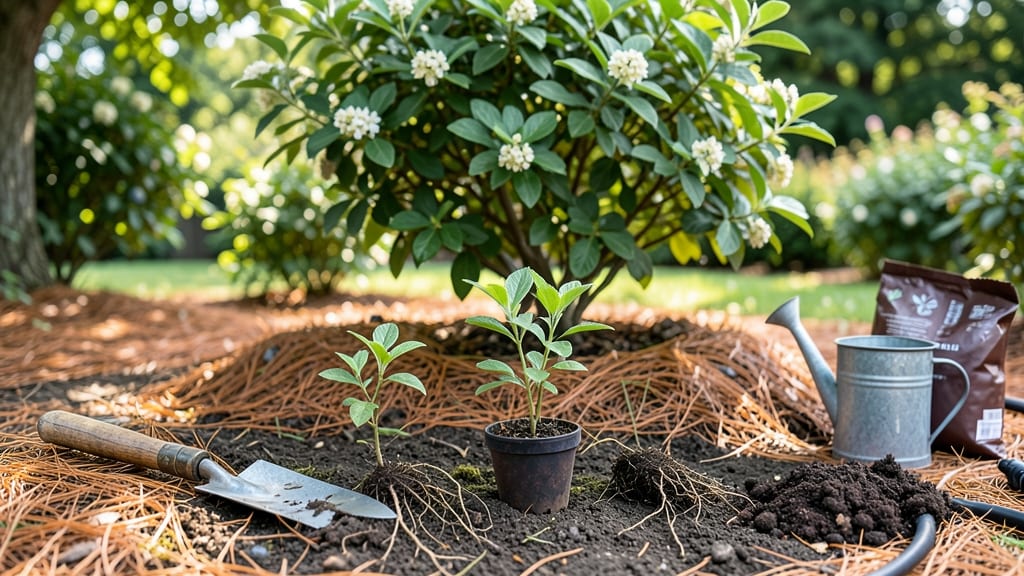
Planting a blueberry bush 🫐 in Michigan can feel like playing a high-stakes game of timing—get it wrong, and late frosts might wipe out your new shrub before it even takes root.
The key to success lies in understanding your USDA 5b-6a zone and Michigan’s notorious frost dates, which can shift by weeks depending on whether you’re in Detroit or Traverse City.
Most gardeners swear by the classic spring planting window of April through May, but fall planting in September-October often gives blueberries a head start on root growth before winter sets in.
The trick? Avoid planting too early when soil is still frozen or too late when frost is lurking around the corner—especially for bare-root plants that need consistent moisture to establish.
What you’ll discover here are the exact frost-proof windows for Michigan’s two main regions, plus soil prep secrets to give your blueberries the acidic home they crave.
We’ll also cover how to protect young plants from Michigan’s infamous late frosts, so you’re not left scrambling with frost cloths when April 15 rolls around.
Ready to turn your backyard into a blueberry bonanza? Let’s break down the perfect planting schedule, from soil tests to mulching strategies, so your bushes thrive year after year—no frost-related heartbreak included.
Michigan’s frost-proof planting windows for blueberry bushes: month-by-month guide
Michigan’s climate—with its unpredictable frost dates and short growing season—demands precise timing when planting blueberry bushes.
The Lower Peninsula (USDA Zones 5b-6a) and Upper Peninsula (Zone 4b) each have unique frost risks, making April 15 to May 15 and September 15 to October 15 the safest windows for planting.
These periods balance soil warmth and frost-free guarantees, ensuring your bushes establish roots before winter or late-spring freezes strike.
For spring planting, aim for when soil temperatures reach 45°F (7°C)—typically mid-April in southern Michigan but late April in the north. Fall planting should wrap up by October 1 in most regions, allowing roots to harden before first frost.
The Upper Peninsula has a shorter window, often 1-2 weeks earlier than the Lower Peninsula due to colder microclimates.
Here’s how to adapt your planting schedule based on Michigan’s regional frost maps. Use the National Weather Service’s frost prediction tool or local Cooperative Extension Service data to fine-tune your timing.
For example, Detroit’s last frost averages April 15, while Traverse City’s can linger until May 1. Adjust by 1-2 weeks if your area experiences early or late frosts.
🌱 Did You Know? Blueberry bushes planted in fall often outperform spring-planted ones in Michigan because cooler temperatures reduce transplant shock and encourage root establishment before dormancy. However, bare-root plants must be planted before soil freezes—usually by November 1 in most zones.
| Region | Spring Planting Window | Fall Planting Window | Soil Temp Threshold | Frost Risk |
|---|---|---|---|---|
| Southern Michigan (Detroit, Ann Arbor) | April 15–May 1 | September 15–October 15 | 45–50°F (7–10°C) | Low (last frost ~April 15) |
| Central Michigan (Lansing, Grand Rapids) | April 20–May 10 | September 10–October 10 | 40–45°F (4–7°C) | Moderate (last frost ~April 25) |
| Northern Michigan (Traverse City, Petoskey) | May 1–May 15 | September 1–September 30 | 38–42°F (3–6°C) | High (last frost ~May 1) |
| Upper Peninsula (Marquette, Houghton) | May 10–May 25 | August 15–September 15 | 35–40°F (2–4°C) | Very High (last frost ~May 10) |
🌡️ Pro Tip: Use a soil thermometer to confirm warmth before planting—cold soil delays root growth.
If you miss the optimal windows, don’t panic. Container-grown blueberries can be planted 1-2 weeks later than bare-root varieties, as their roots are already established. However, avoid planting after June 1 in most of Michigan, as new growth may not harden off before winter.
For late spring plantings, use row covers or frost cloth to shield young bushes from late frosts (common in May).
For fall planting, prioritize well-draining soil and mulching with 3–4 inches of pine straw or wood chips to insulate roots. In Zone 4 (Upper Peninsula), add an extra 2 inches of mulch to prevent heaving during freeze-thaw cycles.
Water deeply before the first hard frost to hydrate roots for winter dormancy.
Michigan’s microclimates can shift frost dates by 1-2 weeks, so observe your local patterns. For example, urban areas like Detroit may warm up 3–5 days earlier than rural zones.
Use historical frost data from Michigan State University Extension to adjust your schedule. If you’re unsure, plant in fall—it’s the safest bet for Michigan’s variable climate.
Once planted, protect your bushes from late frosts with frost cloth or burlap wraps during critical bloom periods (April–May). In Zone 4, consider low tunnels for early spring protection. With the right timing, your
Michigan’s frost-proof planting windows for blueberry bushes: month-by-month guide
Michigan’s climate throws curveballs with late spring frosts and early winter freezes, but blueberry bushes thrive when planted during the frost-proof windows of April–May or September–October.
The key is aligning your planting with soil temperatures and frost risk maps, which vary dramatically between the Upper Peninsula (Zone 4) and Lower Peninsula (Zone 5-6). Let’s break it down by month and region so you avoid the heartbreak of frost-killed saplings.
For spring planting, aim for after the last frost date—typically mid-April to early May in southern Michigan, but late May in the UP. Soil should be at least 45°F (7°C) for roots to establish quickly.
Fall planting is trickier but possible in September–October, giving roots time to settle before winter. The Lower Peninsula can plant until mid-October, while the UP should finish by early October to avoid winter stress.
📅 Michigan Blueberry Planting Timeline
| Region | Spring Window | Fall Window | Soil Temp | Frost Risk |
|---|---|---|---|---|
| Southern MI (Detroit, Ann Arbor) | Mid-April to early May | Late Sept to mid-Oct | 45°F+ (7°C+) | Low (after April 15) |
| Northern MI (Traverse City, Grand Rapids) | Late April to early May | Early Sept to early Oct | 40°F+ (4°C+) | Moderate (late May frosts) |
| Upper Peninsula (Marquette, Houghton) | Late May | Early Sept | 35°F+ (2°C+) | High (June frosts common) |
Pro tip: Check the Michigan State University Extension frost maps for your exact location—some years, late May frosts can hit even southern Michigan. If you’re planting in Zone 4 (UP), opt for fall planting to give roots a head start before winter.
And always acclimate bare-root plants for 24–48 hours before planting to reduce shock.
For container-grown blueberries, you’ve got more flexibility—plant anytime the ground isn’t frozen, but spring is ideal. Containers warm up faster, so they’re less vulnerable to early spring frosts. Just ensure your pots have drainage holes and use acidic potting mix (pH 4.5–5.5).
If you’re in a frost-prone microclimate, like a valley or low-lying area, delay planting until after May 15 to play it safe.
One common mistake? Planting too early and watching your blueberries bolt upward only to get nipped by frost. The 10-day forecast is your friend—wait until nighttime temps stay above 40°F (4°C) consistently.
And if you’re in Zone 5–6, consider row covers for the first 2–3 weeks after planting to shield young shoots.
Finally, mulch heavily (3–4 inches of pine straw or wood chips) after planting to insulate roots. In fall, add an extra 2 inches of mulch before the first frost to protect against freeze-thaw cycles.
With these timing tricks, your blueberry bushes will establish roots deep and strong, setting you up for years of bountiful harvests—no frost-related disappointments included.