
Plants
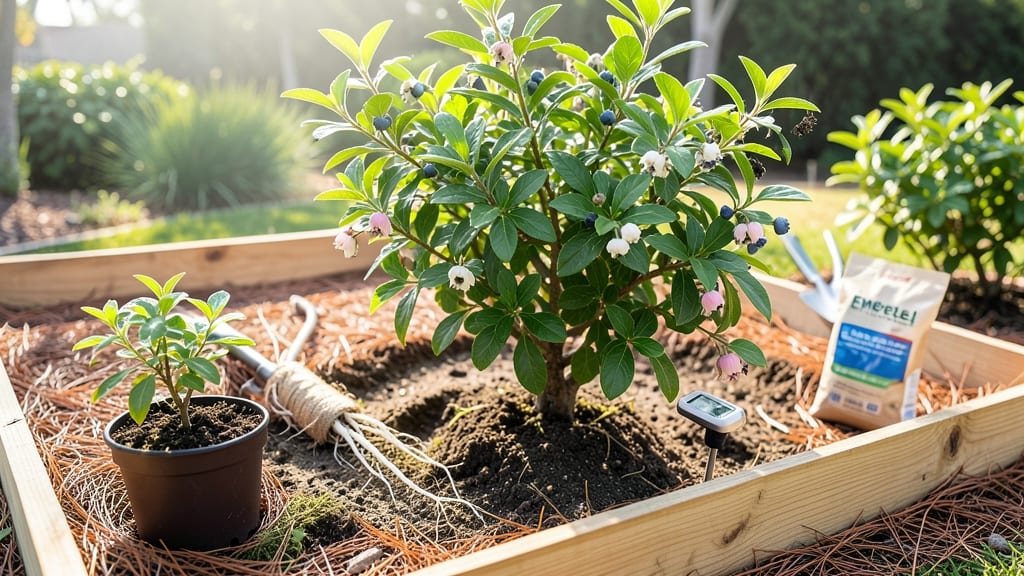
Planting blueberries in Southern California isn’t just possible—it’s a delicious reality, but timing is the game-changer. The mild winters here mean your 🫐 bushes need the right chill hours to thrive, and getting it wrong can leave you with sparse harvests or stunted growth.
Most gardeners in Zone 9b-11 assume they can plant anytime, but the truth is, November through March is your sweet spot. This window ensures your bushes get enough winter chill while avoiding the brutal summer heat that can stress young plants.
Whether you’re planting in containers (the easiest option for Southern California’s alkaline soil) or in-ground, the key is matching your variety to your microclimate. Coastal areas can handle slightly later plantings, while inland valleys need earlier starts to beat the heat.
I’ll walk you through exactly when to plant, how to adjust for your local chill hours, and the 5 critical mistakes that derail blueberry success in our region. Let’s get those bushes growing right!
Optimal planting windows for Southern California blueberries by variety
Southern California’s Zone 9b climate allows blueberry cultivation, but success hinges on selecting the right low-chill varieties and planting at the perfect time. Unlike northern climates, we don’t rely on winter dormancy—our mild winters mean blueberries need 300-500 chill hours to set fruit.
Plant too early, and your bushes may bolt to flower without proper dormancy; too late, and summer heat stress will stunt root development.
For coastal areas (e.g., Malibu, Santa Barbara), cooler microclimates extend the planting window slightly, while inland valleys (e.g., Riverside, Palm Springs) demand earlier planting to avoid heat spikes. Container growing is ideal for inland zones, as pots offer temperature control and portability to shaded spots during summer.
Here’s your variety-specific planting schedule for Southern California, tailored to chill requirements and microclimates:
If you’re in inland areas like Palm Springs, prioritize container planting with 5-gallon pots and move them to shaded patios during summer. Coastal gardeners can plant directly in well-draining, acidic soil (pH 4.5–5.5) but should still mulch heavily to retain moisture during dry Santa Ana winds.
For early fall planting (October), choose Peach Sorbet or Rubel to give roots time to establish before winter rains. If planting in late winter (March), opt for Top Hat and supplement with shade cloth once temperatures exceed 85°F.
Pro tip: Use a soil thermometer to ensure root zones stay between 60–70°F during planting. Warmer soils speed up root growth, but cooler temps (below 50°F) can shock young plants. Mulch with pine bark to insulate roots and maintain acidity.
Container growers should pre-moisten potting mix before planting and avoid letting pots dry out completely. In-ground plantings benefit from a 12-inch layer of compost mixed into the topsoil to improve drainage and fertility.
Remember: Blueberries are self-pollinating, but planting two varieties (e.g., Top Hat + Peach Sorbet) increases yield by 30–40%. Pair them 3–5 feet apart for cross-pollination.
🌱
How to calculate your local chill hours and adjust planting dates
Southern California’s mild winters mean chill hours—not frost—are your blueberry’s secret to success. Most low-chill varieties need 300-500 hours below 45°F (7°C) to flower. Without enough chill, your bushes will produce fewer berries or none at all.
Here’s how to measure your local chill hours and adjust planting dates accordingly.
Start by checking your NOAA climate station data for your nearest city (e.g., Los Angeles, San Diego, or Riverside). Websites like California Climate Tracker provide historical chill hour averages.
For example, coastal areas like Santa Barbara average 400-500 chill hours, while inland Palm Springs may only hit 200-300 hours. If your area falls short, opt for early-fall planting (October-November) to maximize chill exposure.
Step-by-Step Chill Hour Calculation: 1. Gather Data: Use a home weather station or NOAA records to log daily lows. 2. Count Hours: For each day below 45°F (7°C), multiply the number of hours below that threshold by the difference from 45°F. Example: A 40°F (4°C) night = 5 hours × (45-40) = 25 chill hours. 3. Sum Total: Add up chill hours from November 1 to February 28 to estimate your local total.
| Region | Avg. Chill Hours | Best Planting Window | Adjustment Tip |
|---|---|---|---|
| Coastal (e.g., Santa Barbara) | 400-500 | November–January | Plant low-chill varieties like 'Peach Sorbet'. |
| Inland Valleys (e.g., Palm Springs) | 200-300 | October–November | Use shade cloth in summer to reduce heat stress. |
| Los Angeles Basin | 300-400 | December–February | Avoid full-sun exposure in summer. |
If your area has insufficient chill hours, consider planting semi-dwarf varieties like 'Top Hat' or 'Rubel' in containers. Pots allow you to move bushes to cooler microclimates (e.g., shaded patios or garages) during summer heat spikes.
For in-ground plantings, mulch heavily with wood chips to retain moisture and cool soil temperatures.
For heat-sensitive varieties, plant in early fall (October) to give roots time to establish before summer. Avoid late-winter planting (March), as soil temperatures can exceed 80°F (27°C), shocking young roots. Always water deeply 2-3 times per week after planting to encourage root growth during critical chill accumulation.
Pro tip: Use a fan thermometer to monitor soil temperatures. Keep them below 75°F (24°C) during root establishment. If heat stress occurs, provide afternoon shade with 50% shade cloth until temperatures drop.