
Plants
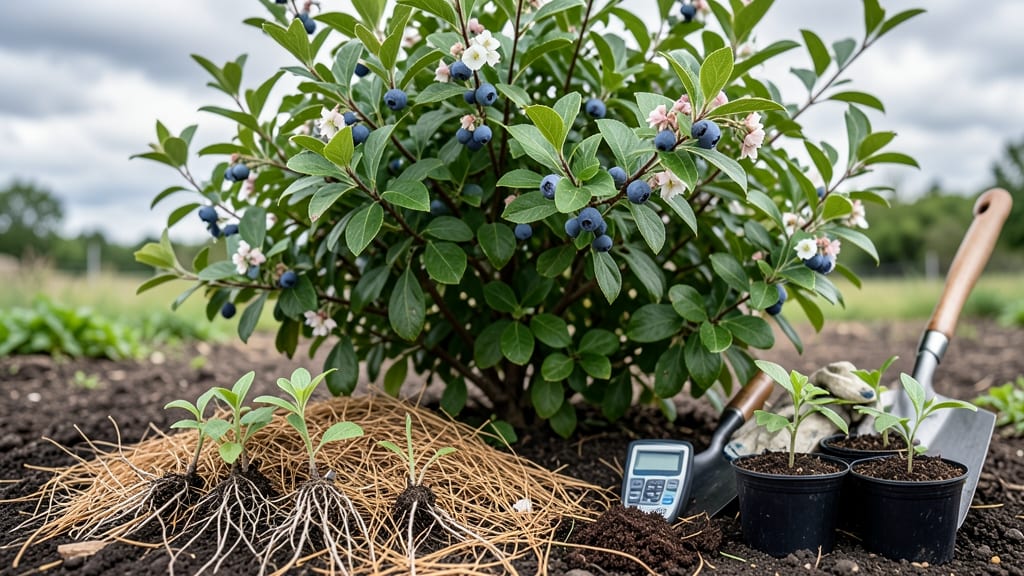
Timing your blueberry planting in Utah isn't just about following a calendar—it's about reading the land's signals, from chill-hour needs to frost dates that shift dramatically between the Wasatch Front and rural high-desert zones.
If you've ever watched your 🫐 bushes struggle despite your best efforts, you know Utah's climate plays a tricky game. The key?
Planting when your variety's dormancy requirements align with your local last frost—typically between March and April—but with critical adjustments for altitude and microclimates that can push that window earlier or later by weeks.
I've helped Utah gardeners navigate these challenges for years, and what I'm about to share will help you avoid common pitfalls like planting too early (risking frost damage) or too late (missing the optimal root-establishment window).
Let's break down exactly when—and how—to plant for your specific corner of the Beehive State.
You'll discover variety-specific planting windows, soil prep secrets for Utah's alkaline soils, and even container-gardening hacks for urban growers. By the end, you'll know precisely when to get those bare-root plants in the ground for a harvest that'll make your neighbors jealous.
Utah’s blueberry planting timeline: chill-hours & frost-date Zones explained
Utah’s diverse climate—spanning USDA Zones 4-8—means your blueberry planting window depends heavily on elevation and microclimates. Unlike coastal regions, Utah’s chill-hour requirements (300-1,000+) and late spring frosts demand precise timing.
Northern Utah (e.g., Cache Valley) can plant 2-4 weeks earlier than southern Utah (e.g., St. George), where desert heat arrives sooner.
The key is aligning your variety’s chill-hour needs with your last frost date. For example, ‘Duke’ (600-900 chill hours) thrives in northern Utah’s Zone 5-6, while ‘Jersey’ (300-600 chill hours) suits southern Utah’s Zone 7-8. Planting too early risks frost damage; too late delays fruit production.
Here’s how Utah’s regions break down:
| Region | USDA Zone | Avg. Last Frost | Best Planting Window | Chill-Hour Varieties |
|---|---|---|---|---|
| Northern Utah (e.g., Logan, Ogden) | 5-6 | April 15–May 1 | March 1–April 15 | Duke, Bluecrop, Jersey |
| Wasatch Front (Salt Lake City, Provo) | 6-7 | April 30–May 15 | March 15–April 30 | Bluecrop, Earliblue, Legacy |
| Southern Utah (St. George, Cedar City) | 7-8 | March 15–April 1 | February 15–March 15 | Top Hat, Sunshine Blue |
For bare-root plants, order in late winter (January-February) for spring planting. If you prefer fall planting (less common in Utah), aim for October-November—but only in Zone 7+ where winters are milder.
Young roots need time to establish before Utah’s first frost, which can arrive as early as October 15 in high desert areas.
Pro tip: Use row covers or windbreaks to protect newly planted bushes from late frosts. Utah’s cold air pooling in valleys (like Cache Valley) can drop temps 10°F faster than surrounding areas, so monitor local forecasts closely.
Soil temperature matters too! Blueberries need 40–50°F soil to root effectively. In cold Utah springs, wait until soil warms—use a soil thermometer to confirm. Planting too soon in chilly soil stunts growth and invites disease.
Container growers have flexibility: Start 4–6 weeks earlier indoors (January-February) and transplant after last frost. Containers warm faster than ground soil, giving you a head start in Utah’s short growing season.
Remember: Utah’s water scarcity means mulching heavily (straw or pine needles) to retain moisture. Blueberries despise drought stress, so prioritize deep watering during establishment. Aim for 1–1.5 inches per week in the first year.
🌱
Best blueberry varieties for Utah gardens & their ideal planting months
Utah’s diverse climate means not all blueberry varieties thrive equally—some need more chill-hours for dormancy, while others handle our high-desert heat better. Choosing the right type and planting at the perfect time (spring vs. fall) can mean the difference between a bountiful harvest and struggling bushes.
For northern Utah (USDA Zones 5-6), varieties like 'Duke' and 'Jersey' excel—they handle our colder winters (500+ chill-hours) and produce early. Southern Utah’s warmer microclimates (Zones 7-8) favor 'Bluecrop' or 'Top Hat', which ripen later and tolerate less dormancy.
Pro Tip: Order bare-root plants in late winter (February) for spring planting or early fall (September) for a second chance—just ensure they’re dormant when you plant.
| Variety | Chill-Hours Needed | Best Planting Month | Harvest Window | Utah Zone Fit |
|---|---|---|---|---|
| Duke | 500-700 | March-April | June-July | Zones 5-6 |
| Jersey | 600-800 | March-April | July-August | Zones 5-7 |
| Bluecrop | 300-500 | September-October (fall) or March | August-September | Zones 6-8 |
| Top Hat (Dwarf) | 200-400 | March-April | July-August | Zones 7-8 (containers) |
If you’re in Zone 7+ (like St. George), avoid varieties needing 800+ chill-hours'Bluegold' or 'Chester', which thrive in our warmer winters and ripen later to avoid summer heat stress.
For container gardening (urban Utah), dwarf varieties like 'Top Hat' or 'Pink Lemonade' (yes, pink berries!) are perfect. Plant them in acidic potting mix and keep pots near a south-facing wall to maximize sun.
Remember: Soil prep is half the battle. Utah’s alkaline soils need sulfur or peat moss to hit that pH 4.5–5.5 sweet spot—blueberries will not thrive in our natural high-pH dirt without amendments.