
Plants
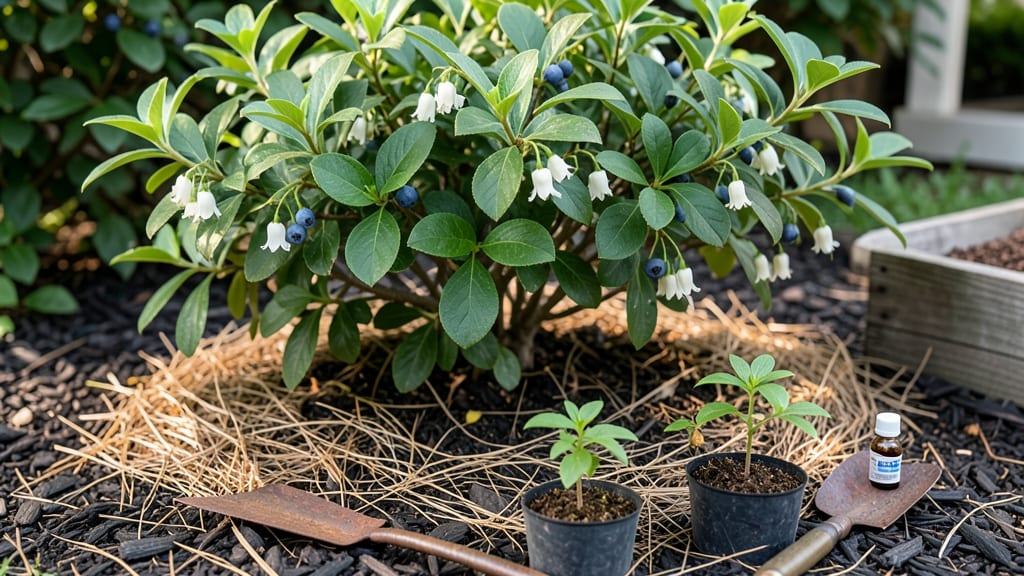
If you're dreaming of a backyard bursting with juicy 🫐 blueberries, when to plant the blueberry bushes in Georgia is the most important step—especially in the state's warm climate.
Planting your blueberry bushes at the wrong time can mean wasted money and years of frustration, but getting it right unlocks a harvest that'll make your neighbors jealous.
Georgia's unique growing zones (7b-8b) mean you can't just follow generic planting advice—what works in cooler states fails here. The key is planting during dormancy, when the soil is cool but not frozen, giving those roots the perfect chance to establish before summer heat arrives.
In this guide, I'll show you exactly when to plant—whether you're dropping bare-root saplings in late fall or tucking container-grown bushes into the ground in early spring. You'll also discover how to prep your Georgia soil for maximum growth and which varieties thrive best in our heat.
Ready to turn your garden into a blueberry paradise? Let's get those bushes in the ground at the perfect moment for a harvest that'll last for years.
Best planting months for blueberry bushes in Georgia’s climate zones
Georgia’s USDA zones 7b-8a create a unique window for planting blueberry bushes. Unlike northern climates, you can plant during both dormant and active growth periods, but timing affects root establishment and winter survival.
The ideal window spans from late fall to early spring, aligning with Georgia’s mild winters and warm soil.
For bare-root plants, late fall (October-November) is perfect—roots establish before winter dormancy. Container-grown bushes, however, thrive when planted in late winter (February-March), giving them time to adapt before summer heat arrives. Avoid planting in summer’s peak heat, as stress slows root growth and increases transplant shock.
Georgia’s last frost date (around March 15) signals the start of active growth. Planting 2-4 weeks before this date ensures roots have time to establish before buds break. In Zone 8a, where winters are shorter, extend planting into early April for container-grown bushes.
Soil temperature is critical—roots need 40-50°F soil to thrive. In Georgia, this occurs naturally in fall and early spring. Use a soil thermometer to confirm before planting. Cold soil (below 40°F) delays root growth, while warm soil (above 60°F) can cause stress, especially for bare-root plants.
Southern Highbush varieties (like ‘Climax’ or ‘Premier’) adapt well to Georgia’s heat but need consistent moisture during establishment. Rabbit Eye types (e.g., ‘Powderblue’) tolerate drought better but still prefer cool soil for root development. Choose your variety based on your microclimate—coastal areas may handle summer planting better than inland zones.
🌱Pro Tip: If you miss the ideal window, container planting in late summer (August-September) can work for Southern Highbush types, but mulch heavily to retain moisture and protect roots.
Georgia’s humidity and heat demand extra care during planting. After placing bushes in the ground, water deeply to settle soil and remove air pockets. Use 2-3 inches of mulch (pine straw or pine bark) to retain moisture and regulate soil temperature.
In Zone 7b, where frosts linger, protect young plants with burlap wraps until buds swell in spring.
💡Key Insight: Southern Highbush varieties outperform Rabbit Eye types in Georgia’s heat but require consistent moisture. For drought-prone areas, Rabbit Eye’s native resilience makes it a better choice despite slightly later harvests.
Timing isn’t just about the calendar—it’s about soil readiness. Test your soil’s pH (4.5-5.5) and drainage before planting. Blueberries hate soggy roots, so amend clay soils with sand or compost to improve aeration.
In sandy loam areas (common in coastal Georgia), add peat moss to retain moisture and acidify the soil.
🌿Final Tip: Mark your planting date on a garden calendar and note the variety’s maturity time. Southern Highbush types bear fruit in 2-3 years, while Rabbit Eye can take 3-4 years. Patience pays off—proper timing now means decades of harvests.
Best planting months for blueberry bushes in Georgia’s climate zones
Georgia’s USDA zones 7b-8b create a unique window for planting blueberry bushes—one that avoids both summer heat stress and winter dormancy risks. The ideal planting time is during dormancy, when soil temperatures stay below 60°F (15°C) but aren’t frozen.
This means your best bets are late fall (October-November) or early spring (February-March), before the last frost date of March 15.
For bare-root blueberries, late fall planting (October) gives roots time to establish before spring growth. Container-grown bushes, however, can handle early spring planting (February-March) better, as their roots are already established. Both methods avoid Georgia’s brutal summer heat, which can stress newly planted bushes.
| Planting Window | Soil Temp | Best For | Frost Risk |
|---|---|---|---|
| Late Fall (Oct-Nov) | 45-60°F (7-15°C) | Bare-root bushes | Low (after frost) |
| Early Spring (Feb-Mar) | 50-60°F (10-15°C) | Container-grown | Moderate (before March 15) |
| Avoid Summer (Jun-Aug) | Above 70°F (21°C) | N/A (stress risk) | High (heat shock) |
If you miss the dormancy window, May planting is still possible but riskier—you’ll need to water deeply and provide afternoon shade to protect young roots from Georgia’s intense summer sun.
The key is getting those bushes established before the heat peaks in July-August, when temperatures often exceed 90°F (32°C).
For Rabbit Eye varieties (popular in Georgia), late fall planting is ideal—they thrive in our heat but need time to root before summer. Southern Highbush varieties, however, tolerate early spring planting better and may produce fruit sooner.
Always check the last frost date in your specific Georgia county, as it can vary slightly (e.g., Athens vs. Savannah).
Pro tip: If planting in sandy soil (common in coastal Georgia), add organic matter like compost or pine bark to retain moisture. For clay-heavy soil (typical in northern Georgia), amend with peat moss to improve drainage. Both adjustments help roots establish faster in Georgia’s diverse soil types.
Once planted, mulch heavily with pine straw to conserve moisture and regulate soil temperature—a must in Georgia’s hot summers. With the right timing and prep, your blueberry bushes will reward you with juicy berries in just 2-3 years!