
Plants
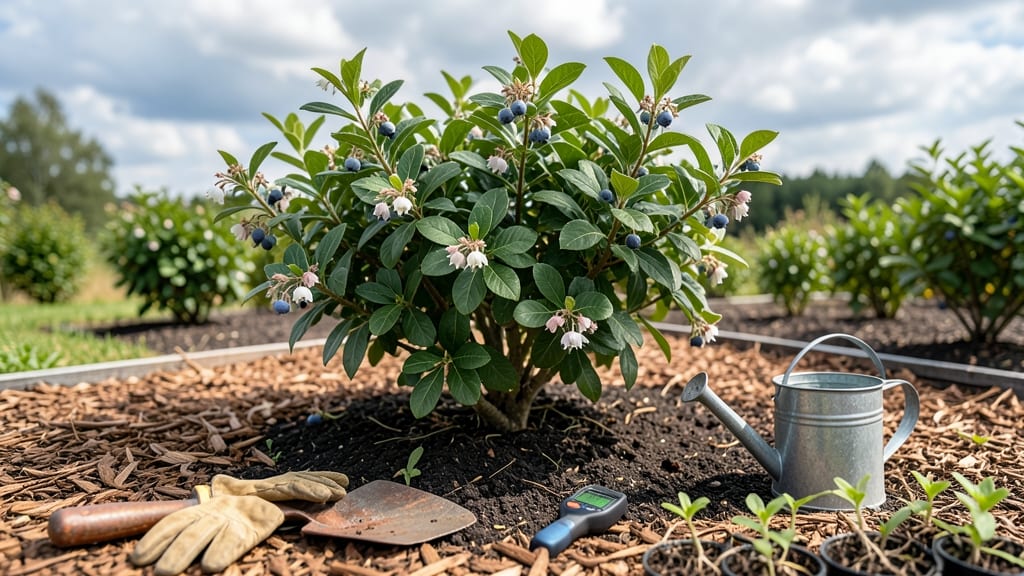
Timing your blueberry planting in Wisconsin can mean the difference between a thriving bush and one that struggles to survive. With 4a-6b zones to consider, getting it right ensures your 🫐 plants establish strong roots before summer heat arrives.
Most gardeners swear by early spring—April to May—as the ideal window, but late fall (September to October) works too, especially for bare-root varieties. The key is avoiding frost risks while giving plants enough time to settle before winter dormancy kicks in.
I’ll walk you through the exact chill-hour requirements for Wisconsin’s top varieties and how to prep your soil for maximum success. Whether you’re planting in-ground or containers, these tips will help you skip common mistakes and set your bushes up for years of harvests.
Ready to turn your backyard into a blueberry powerhouse? Let’s dive into the perfect planting schedule for your Wisconsin climate.
Wisconsin’s best planting months for blueberries by chill-hour requirements
Wisconsin’s climate—with its 400-900 chill hours—demands precise timing for blueberry success. Planting outside the ideal windows can stunt growth or trigger frost damage. Southern Wisconsin (Zone 5b-6a) typically enjoys 500-700 chill hours, while northern areas (Zone 4a-5a) hit 700-900 hours, both critical for dormancy needs.
For Zone 5-6 gardeners, the two best planting windows are early spring (April-May) and late fall (September-October). Spring planting lets roots establish before summer heat, while fall planting gives plants time to root before winter dormancy. Never plant in winter—frozen soil prevents root growth.
Blueberries need chill hours (0-45°F temperatures) to break dormancy. Varieties like 'Bluecrop' (600-800 hours) thrive in northern Wisconsin, while 'Jersey' (400-600 hours) suits southern regions. Matching your variety to chill hours ensures flowering and fruiting the following year.
🌱
If you live in southern Wisconsin (e.g., Madison, Milwaukee), prioritize April planting—soil warms faster, reducing frost risks. In northern areas (e.g., Green Bay, Wausau), late September is safer; plants root before hard freezes (mid-October average).
Always check your last frost date (typically late April-early June in WI).
For container gardening, plant in May to avoid frost heaving. Use 10-gallon pots with acidic potting mix and place in full sun. Containers warm up faster than ground soil, so delay planting by 2-3 weeks compared to in-ground planting.
Pro tip: Test your soil’s pH (4.5-5.5) before planting. Wisconsin’s native soil is often alkaline (pH 7+), which locks out iron and manganese—critical for blueberry health. Amend with sulfur or pine needles 2-3 months before planting.
💧
After planting, mulch with pine straw to retain moisture and acidify soil gradually. Water deeply 2-3 times weekly for the first 60 days, then taper to 1-2 times weekly once established. Overwatering in winter causes root rot—reduce to monthly checks during dormancy.
Remember: Blueberries take 2-3 years to bear fruit after planting. Patience pays off—proper timing now means decades of harvests with minimal effort. Start with 2-3 plants of complementary varieties (e.g., 'Bluecrop' + 'Jersey') for cross-pollination.
Wisconsin’s best planting months for blueberries by chill-hour requirements
Wisconsin’s Zone 5-6 climate creates two prime windows for planting blueberries: early spring (April-May) and late fall (September-October). The difference? Chill hours—the number of hours below 45°F your plants need to break dormancy and produce fruit.
Southern Wisconsin (e.g., Madison) averages 600-800 chill hours, while northern areas (e.g., Green Bay) hit 800-900+ hours.
For spring planting, aim for 2-4 weeks after your last frost date (typically mid-May). This gives roots time to establish before summer heat arrives.
Late fall planting, however, works best in Zone 5a (northern WI) where frosts arrive earlier—plant by October 1st to allow roots to settle before winter dormancy.
Here’s how to match your blueberry variety to Wisconsin’s chill-hour zones for maximum success:
| Region | Chill Hours | Best Planting Window | Top Varieties |
|---|---|---|---|
| Southern WI (Zone 5b-6a) | 600-800 hrs | April 15-May 15 or Sept 15-Oct 1 | Bluecrop, Jersey, Duke |
| Northern WI (Zone 4a-5a) | 800-900+ hrs | May 1-June 1 or Sept 1-Oct 15 | Patriot, Earliblue, Northblue |
| Urban Containers | 600-700 hrs | April 20-May 10 (extended root zone) | Top Hat, Sunshine Blue |
If you’re in Zone 5a (like northern WI), prioritize late-summer varieties like Patriot—they thrive with 900+ chill hours and produce fruit earlier in the season. Meanwhile, Southern WI gardeners can opt for Bluecrop, which handles 600-800 hours and ripens in July-August.
Pro tip: Use a soil thermometer to confirm ground temps are above 45°F before spring planting. Cold soil slows root growth, setting your bushes up for stress. For fall plantings, aim for 6-8 weeks before first frost—this gives roots time to establish before winter.
Container growers in urban areas (like Milwaukee or Madison) have a narrower window—plant 2-3 weeks earlier than in-ground to account for slower root zone warming. Always use acidic potting mix (pH 4.5-5.5) and 15-gallon+ pots for dwarf varieties like Top Hat.