
Plants
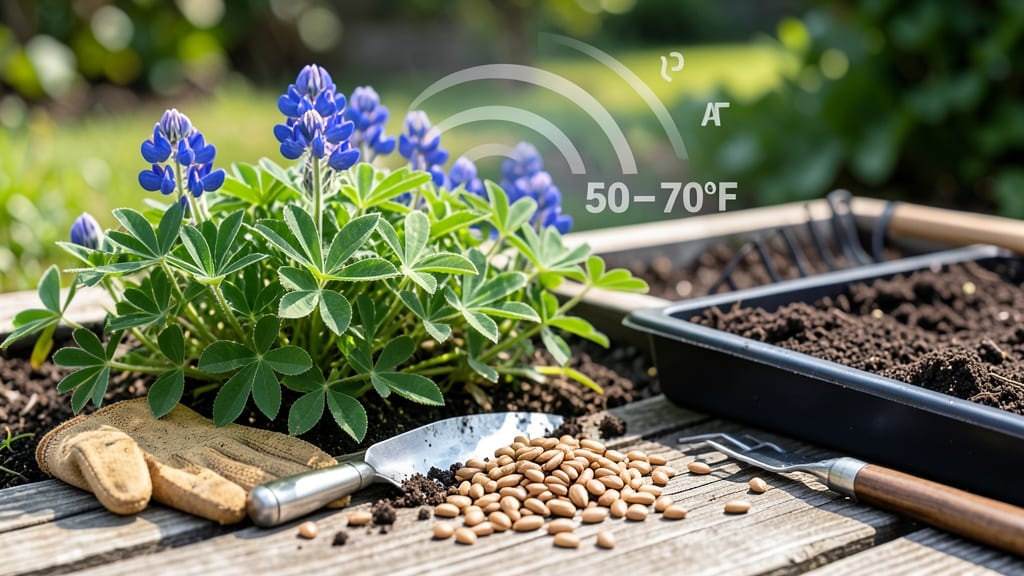
If you've ever dreamed of waking up to a sea of blue 🌸 blanketing Central Texas roadsides, then planting bluebonnet seeds at the right time is your secret weapon.
The difference between a sparse scattering of wildflowers and a jaw-dropping spring display often comes down to those few weeks in fall when conditions are just right.
Most gardeners in USDA Zone 8a know timing matters, but what exactly makes late September through October the magic window? It's not just about avoiding frost—it's about giving those tiny seeds the perfect balance of moisture and temperature to break dormancy without rotting in the ground.
Get this wrong, and you might end up with seeds that either sprout too early (and get fried by summer heat) or wait too long (and miss their chance entirely).
What I'm about to share isn't just theory—it's what actually works for Central Texas landscapes, from Austin's urban patches to Waco's rolling hills.
We'll cover the critical soil cues to watch for, how rainfall patterns play into your success, and why planting too early or too late can leave you staring at bare soil come spring. Let's turn that dreamy blue carpet into your reality.
The best part? Once you nail this timing, bluebonnets become nearly self-sustaining—spreading year after year with minimal effort. But first, you've got to get those seeds in the ground when Mother Nature is ready to cooperate. Ready to learn the exact window that makes all the difference?
Optimal Central Texas bluebonnet planting timeline: month-by-month fall guide
Central Texas gardeners know the magic of bluebonnets—those vibrant blue blooms that carpet fields in spring. But the secret starts in fall planting, specifically between late September and October. This window aligns with soil temperature drops and rainfall patterns that trigger germination without premature sprouting.
For 2024, aim to plant between September 20th and October 15th for best results. This range accounts for microclimate variations across Austin, Waco, and San Antonio.
Warmer areas like San Antonio (Zone 8b) may lean toward early October, while cooler Hill Country regions (Zone 8a) should plant closer to mid-September.
Here’s the month-by-month breakdown of ideal planting conditions, soil prep, and what to watch for:
In September, focus on soil temperature—it should hover between 65–75°F for optimal germination. Use a soil thermometer to confirm; if temps rise above 80°F, wait until evening hours to plant.
Pair this with 1–2 inches of rainfall in the week following planting to prevent seeds from drying out.
By mid-October, bluebonnet seeds need cooler soil (55–65°F) to break dormancy. This is why late September plantings often outperform November attempts—they experience natural winter chilling without premature sprouting. If your area gets early frosts (like Hill Country), plant by October 1st to avoid seed loss.
After planting, resist the urge to water heavily. Bluebonnets need moisture but not saturation. A light misting every 3–4 days (or natural rainfall) is ideal. Overwatering can cause seed rot or fungal issues, which are common mistakes even experienced gardeners make.
For San Antonio gardeners, extend your window slightly into early November if temps stay mild. Use mulch (straw or pine needles) to insulate seeds from temperature swings. In contrast, Austin’s warmer microclimates may require planting by October 10th to avoid summer heat stress on young seedlings.
Pro tip: Mark your planting dates on a calendar and track rainfall totals. Aim for 1.5–2.5 inches of rain in the 4 weeks post-planting.
If drought hits, supplement with drip irrigation set to 0.25 inches per week. This mimics natural Texas rainfall patterns and prevents seed desiccation.
Remember, bluebonnets are perennials—they’ll return year after year if planted correctly. The first flush of blooms in March–April is your reward for nailing this fall timing. For maximum impact, plant in large drifts along roadsides or meadows where they can naturalize and spread.
🌸
Critical factors that determine bluebonnet seed germination success in Texas
Bluebonnet seeds are famously finicky about their germination conditions, and in Central Texas, the difference between success and failure often comes down to three key factors: soil temperature, moisture balance, and rainfall timing.
Unlike many plants, bluebonnets require a specific window where the soil stays warm enough to break dormancy but cool enough to prevent premature sprouting. Think of it like Goldilocks—too hot, and the seeds rot; too cold, and they never wake up.
Here's the science behind what works: seeds need soil temperatures between 60°F and 75°F to germinate. In Central Texas, this typically aligns with late September through October, when daytime highs are still warm but nights begin cooling.
If you plant too early (like August), the heat can cause seeds to sprout immediately, only to be fried by summer's intensity. Plant too late (November), and they may not get enough chill to break dormancy before winter dormancy sets in.
⚠️ Pros and Cons of Planting Conditions
- Soil Temp: 60°F-75°F
- Moisture: Consistent light rain
- Timing: Late Sept-October
- Sunlight: Full sun exposure
These conditions create perfect germination rates with minimal effort.
- Early Planting: Seeds sprout too soon
- Late Planting: Misses dormancy trigger
- Drought: Seeds dry out before sprouting
- Overwatering: Causes seed rot
These conditions often lead to poor germination or total failure.
Rainfall patterns play a surprisingly large role in bluebonnet success. Native to Texas, these wildflowers evolved to germinate after natural fall rains—typically the first significant downpours after summer's dry spell.
If you're planting in drought conditions, you'll need to supplement with light, frequent watering (about 1/4 inch per week) until germination occurs. The key is keeping the soil moist but never soggy—bluebonnet seeds rot just as quickly as they sprout.
Don't overlook soil preparation either. Bluebonnets thrive in well-draining, slightly sandy soil with a pH between 6.0 and 7.5. Before planting, work in a 1-inch layer of compost to improve drainage and add organic matter.
Avoid heavy clay soils unless amended, as poor drainage will suffocate your seeds. A simple percolation test (pouring water on soil and watching how quickly it drains) can save you from costly mistakes.
One often-missed factor is light exposure during germination. While bluebonnets love full sun as mature plants, newly planted seeds need bright but indirect light to prevent overheating. If you're planting in a shady area, germination rates will plummet.
The best approach? Plant in full sun locations but use a light shade cloth (30-50% coverage) for the first two weeks to protect tender seedlings from intense afternoon sun.
Pro tip: Pay attention to your local first frost date (typically around December 15 in Central Texas). Seeds planted too close to winter may not get the cold stratification they need to break dormancy.
If you're pushing the planting window into November, consider a light mulch layer (straw or leaves) to insulate seeds during cold snaps while still allowing moisture penetration.
Remember, bluebonnets are perennials that reseed naturally once established. The first year might be sparse, but with proper timing and conditions, you'll build a self-sustaining population that blooms more vigorously each spring.
The secret? Patience and precision—two words that become your best friends when working with these finicky Texas natives. 🌸