
Plants
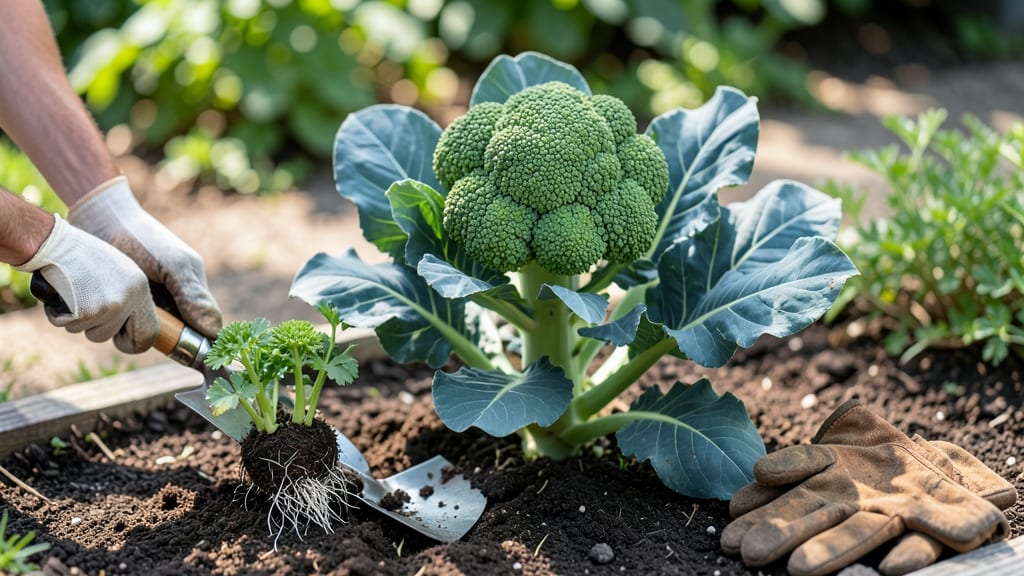
Timing your 🥦 broccoli planting in Houston isn't just about luck—it's the difference between a bountiful harvest and wasted effort. The city's heat and humidity make fall planting the sweet spot, but getting it wrong can send your plants bolting before they even form heads.
Most gardeners in Houston's 9a zone swear by starting seeds in late September or early October, when soil temps drop below 70°F. This window gives broccoli the cool conditions it craves while avoiding the brutal summer heat that triggers bolting.
But here's the catch: Houston's unpredictable weather means you've got to be ready to adapt.
I'll show you exactly how to nail those fall planting dates—including when to transplant seedlings and how to protect your crop from Houston's worst heat spikes.
Whether you're a first-time gardener or a seasoned pro, these tips will help you grow broccoli that's bolting-proof and ready for harvest by December.
Skip the guesswork and learn the precise timing, soil prep, and shade strategies that work in Houston's climate. Let's get your 🥦 broccoli growing strong—without the summer stress.
Houston’s ideal broccoli planting window to prevent bolting
Houston’s USDA Zone 9a climate demands precise timing to grow broccoli successfully. The ideal planting window spans September through October for fall harvests, avoiding the brutal summer heat that triggers bolting.
This schedule aligns with Houston’s first frost date (December 15), ensuring plants mature before cold snaps. Bolting occurs when broccoli senses heat stress—so timing is everything.
For spring harvests, plant February through March, giving plants 60-90 days to grow before Houston’s summer heat peaks. This two-season approach maximizes your yield while minimizing risks.
The key is maintaining soil temperatures between 60-70°F, which broccoli thrives in. Houston’s summer soil can easily exceed 85°F, forcing early bolting.
Here’s how to align your planting with Houston’s microclimates. Coastal areas near Galveston stay cooler longer, while inland zones near Katy heat up faster. Adjust your schedule 1-2 weeks earlier for inland areas to compensate.
Moon phases also play a role—planting during the waxing moon (when the moon is growing) promotes stronger root development, crucial for Houston’s heavy clay soils.
Houston’s humidity levels (70-90%) also impact broccoli growth. High humidity increases fungal diseases like downy mildew, so spacing plants 18-24 inches apart improves airflow. Use drip irrigation to keep foliage dry, reducing disease pressure. Morning watering (before 10 AM) prevents fungal spores from spreading overnight.
For succession planting, sow seeds every 2-3 weeks within your chosen window. This staggered approach ensures a continuous harvest and reduces the risk of losing your entire crop to a single heatwave.
For example, start your first batch on September 15 and follow with additional plantings on October 1 and October 15.
Local nurseries like Houston Garden Centers often carry broccoli seedlings pre-treated for Houston’s pests (e.g., cabbage worms). These hardy starts give you a head start on the 60-day growth cycle needed for fall harvests.
If starting from seed, use heat-tolerant varieties like ‘De Cicco’ or ‘Waltham 29’, which handle Houston’s heat better than standard types.
Monitor your garden’s microclimate with a soil thermometer ($10 at local garden stores). Houston’s urban heat islands can create 5-10°F temperature differences between your backyard and nearby green spaces.
Adjust your planting schedule based on real-time data to avoid bolting. For example, if your soil hits 75°F earlier than expected, delay planting by a week.
Finally, mulch with straw or wood chips to maintain even soil temperatures. A 3-inch mulch layer keeps roots cool during Houston’s 90°F+ days while retaining moisture. This simple step can extend your broccoli’s growing window by 2-3 weeks, giving you more harvest opportunities.
Pair mulching with shade cloth (30-50%) during peak afternoon heat (12 PM - 4 PM) for extra protection.
By following these Houston-specific guidelines, you’ll avoid the common pitfall of bolting and enjoy a bountiful broccoli harvest twice a year. The secret? Precision timing tailored to Houston’s unique climate challenges. 🌱
Step-by-step Houston broccoli planting calendar by variety
Houston’s humid summers and mild winters demand a precise planting schedule for broccoli. Unlike cooler climates, we focus on fall and early spring windows to avoid heat stress. Calabrese and De Cicco are top choices for Houston gardens, but timing varies slightly between seed-starting and transplanting.
For seed-starting indoors, begin 8-10 weeks before your target outdoor date. Since Houston’s first frost typically hits around December 15, aim for mid-August starts to transplant seedlings outdoors by late September. This gives plants enough time to mature before winter chills.
Houston’s soil temperature is critical—broccoli seeds need 40-50°F soil to germinate. Test your soil with a soil thermometer before planting.
If temps are too warm, delay until evening or use shade cloth to cool the soil. Purple Sprouting varieties handle cooler temps better and can be planted as late as November 1 for winter harvests.
After transplanting, mulch with 2-3 inches of straw to retain moisture and regulate soil temps. Houston’s high humidity increases fungal risks, so avoid overhead watering. Instead, use drip irrigation to deliver water at the base. This method also prevents nutrient leaching during our frequent afternoon downpours.
For succession planting, sow additional seeds every 2-3 weeks from September through November. This staggered approach ensures a continuous harvest window. Remember, Houston’s spring heat arrives quickly—don’t plant broccoli after March 15 or you’ll risk bolting before heads form.
Pro tip: Mark your calendar for Houston’s average last frost (January 10). Plant 60-90 days before this date for a reliable spring crop. Use row covers if temps dip below 25°F to protect tender seedlings.