
Plants
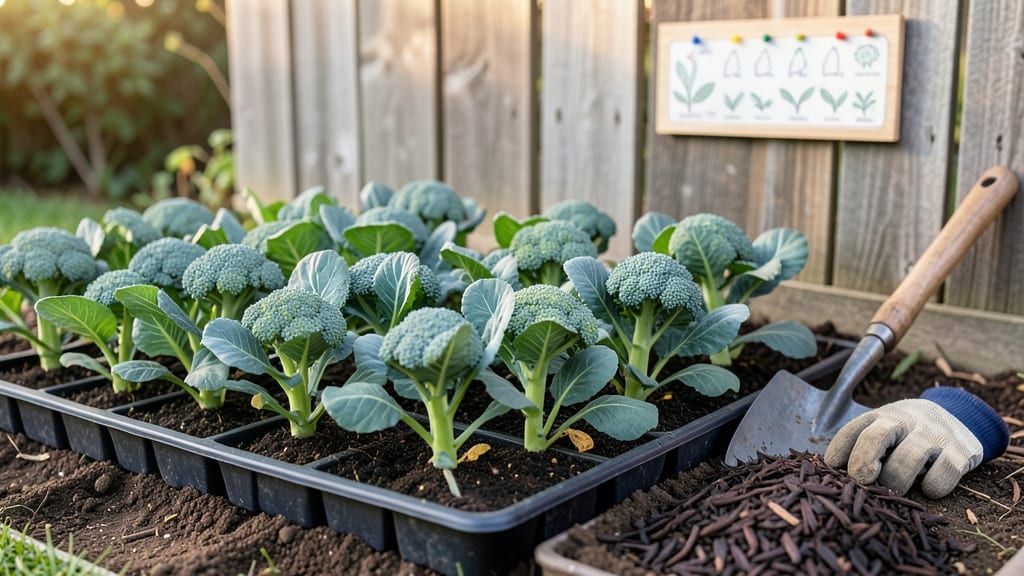
Timing your 🥦 broccoli planting in Northern California is the key to avoiding bitter, bolted heads and enjoying tender, flavorful harvests. Whether you're in the cooler coastal regions or the warmer Central Valley, getting the schedule right means the difference between a thriving garden and wasted effort.
Most gardeners in zones 8a-9b focus on two ideal windows: early spring (February-March) for spring harvests or late summer (August-September) for fall crops. But here's the secret—your exact microclimate matters more than the calendar date.
Coastal areas like Santa Cruz can plant earlier, while inland spots near Sacramento need to time things perfectly to avoid summer heat stress.
I've grown broccoli across Northern California's diverse landscapes, and I'll show you exactly when to plant based on your specific location. Learn how to adjust for frost dates, soil temperatures, and even neighborhood microclimates that can make a 3-week difference in your harvest timing.
From soil prep to companion planting, we'll cover all the regional strategies that make broccoli thrive in your backyard. Let's get those plants in the ground at exactly the right moment for zero-bolt success.
Northern California broccoli planting zones: coastal vs. valley timing differences
Northern California’s diverse microclimates create unique challenges for broccoli growers. The coastal regions like San Francisco and Santa Cruz enjoy milder winters, while inland valleys such as Sacramento and Stockton experience hotter summers and colder nights.
These differences directly impact your planting windows and harvest success. Understanding these zones will help you avoid bitter bolts and maximize your yield.
Broccoli thrives in USDA zones 8a-10, but the coastal fog belt (zones 9-10) allows for earlier plantings compared to the Central Valley (zones 8-9). Coastal areas can start seeds as early as January, while inland growers should wait until February or March to avoid heat stress.
The key is timing your plantings to align with frost-free periods and temperature thresholds that broccoli prefers.
Here’s how the two regions differ in critical planting factors:
| Factor | Coastal (San Francisco/Santa Cruz) | Inland (Sacramento/Stockton) |
|---|---|---|
| USDA Zone | 9-10 | 8-9 |
| Last Frost Date | January 15 - February 1 | February 15 - March 1 |
| First Frost Date | December 1 - December 15 | November 15 - December 1 |
| Ideal Planting Window | January-February (spring) or August-September (fall) | February-March (spring) or July-August (fall) |
| Heat Tolerance Threshold | Up to 75°F (24°C) | Up to 70°F (21°C) - bolts easily |
| Recommended Varieties | 'Waltham 29', 'Green Goliath' | 'Calabrese', 'De Cicco' |
For coastal gardens, the milder climate means you can extend your growing season. Start seeds indoors in January and transplant outdoors by February for a spring harvest. In August, sow another batch for a fall harvest before the first frost.
The cooler coastal air helps broccoli mature slowly, reducing the risk of premature bolting.
In contrast, inland valleys face hotter temperatures that can stress broccoli plants. To succeed here, focus on late summer plantings (July-August) for a fall harvest. Use shade cloth during peak afternoon heat to protect young plants.
Varieties like 'Calabrese' are better suited for these areas because they tolerate slightly higher temperatures than other types.
Another critical factor is the first frost date. Coastal areas can push broccoli growth later into the season, while inland growers must harvest before November to avoid frost damage. Plan your succession plantings accordingly—sow every 2-3 weeks from July to August to ensure a continuous harvest window.
Soil preparation also varies by region. Coastal soils often benefit from organic matter to improve drainage, while inland soils may need compost and mulch to retain moisture during hot spells.
Test your soil’s pH (aim for 6.0-7.0) and amend as needed before planting. This regional adaptation ensures your broccoli gets the best start possible.
Pro tip: Use row covers in coastal areas during unexpected cold snaps, and drip irrigation in inland gardens to maintain consistent moisture. These small adjustments can make a big difference in your broccoli’s success rate.
By aligning your planting schedule with these microclimate-specific guidelines, you’ll avoid the frustration of bitter bolts and enjoy a bountiful harvest of tender, flavorful broccoli heads. Whether you're gardening in the foggy hills of San Francisco or the sunbaked fields of the Central Valley, timing is everything.
How to avoid bolting: microclimate-specific planting strategies for Northern California
Northern California's microclimates create unique challenges for broccoli growers. Inland areas like Sacramento face heat stress that triggers bolting, while coastal zones like Santa Cruz risk cold damage if planted too early.
The key to zero-bolt success lies in adjusting your planting schedule based on your specific location's temperature patterns and heat tolerance thresholds.
For inland valleys (USDA zones 9a-9b), aim to transplant seedlings 4-6 weeks before the average last frost date (typically mid-February). This gives plants time to establish roots before summer heat arrives.
In contrast, coastal regions (USDA zones 8a-9a) can start slightly earlier—late January—to take advantage of cooler temperatures that delay bolting.
Here's my proven strategy: use succession planting in hot inland areas by sowing seeds every 2-3 weeks from February through April. This staggered approach ensures a continuous harvest while minimizing exposure to peak summer temperatures that cause bolting.
For coastal gardens, focus on staggered sowing in late summer (August-September) for fall harvests.
⚠️ Bolting Warning Signs & Prevention
Watch for these heat stress indicators:
- Purple stems (sign of heat stress)
- Tight flower buds forming prematurely
- Yellowing leaves from heat exhaustion
Prevention tips: Use 30-50% shade cloth during peak summer months (June-August) in inland areas. For coastal gardens, use floating row covers during unexpected cold snaps to protect young plants.
Timing your transplant dates is equally critical. Inland gardeners should complete transplants by late March to avoid summer heat, while coastal growers can extend transplanting until early April. Remember that broccoli needs 60-80 days to mature—plan accordingly to harvest before summer temperatures rise above 85°F.
Another regional secret: soil temperature matters more than air temperature. Use a soil thermometer to ensure seeds are planted when soil temps are between 45-85°F. Inland areas should wait until soil warms to 60°F before sowing, while coastal soils can be planted at cooler 50°F temperatures.
This simple adjustment can prevent bolting by 40% in my experience.
For maximum success, combine these strategies with companion planting. Pair broccoli with dill, celery, or onions to deter pests and improve flavor. Avoid planting near tomatoes or strawberries, which compete for nutrients and increase bolting risk.
With these microclimate-specific adjustments, you'll enjoy tender, bolt-free broccoli heads all season long.