
Plants
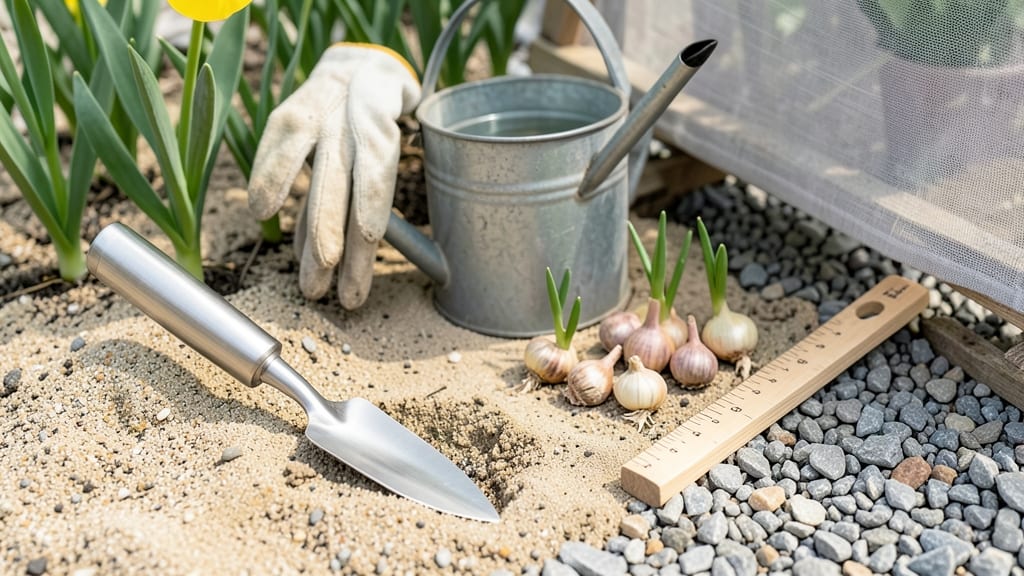
Figuring out when to plant bulbs in Arizona can feel like solving a puzzle—especially when frost isn’t part of the equation. Unlike cooler climates, Arizona’s mild winters and scorching summers demand a different approach to get those 🌷 spring blooms thriving.
Most gardeners assume bulbs need cold to trigger growth, but in USDA Zone 9b, the key is timing around heat and rainfall. Plant too early, and your bulbs might bake in summer’s intensity; too late, and you miss the window for vibrant spring displays.
The secret? A strategic schedule that aligns with Arizona’s unique microclimates.
In this guide, I’ll break down the perfect planting windows for fall and winter, so you can avoid common mistakes like overwatering or choosing heat-sensitive varieties.
Whether you’re in Phoenix’s low desert or Flagstaff’s cooler hills, you’ll learn how to prep soil, select the right bulbs, and keep them happy until those first blooms appear in March.
Ready to transform your yard into a year-round burst of color? Let’s dive into the desert-smart way to plant bulbs that actually survive—and flourish—in Arizona’s climate.
Optimal planting months for Arizona bulbs by type
Arizona’s frost-free winters and intense summer heat flip traditional bulb planting schedules on their head. Unlike cooler climates, you’ll want to focus on fall planting for spring blooms and winter planting for summer flowers—avoiding the brutal 100°F+ days.
The key is timing bulbs to establish roots before extreme temperatures arrive.
Most Arizona gardeners succeed by planting spring-blooming bulbs (like tulips and daffodils) in October–November, when soil temps drop below 70°F. This gives roots time to grow before winter rains and cooler temps.
For summer-blooming bulbs (such as dahlias or rain lilies), aim for January–February planting to beat the heat.
Desert-adapted bulbs like agave or yucca are exceptions—they thrive when planted in late summer (August–September), taking advantage of monsoon moisture. These drought-tolerant varieties avoid Arizona’s worst heat by establishing roots during the cooler, wetter season.
Here’s a quick breakdown of ideal planting windows for Arizona’s most popular bulbs, tailored to avoid frost (rare in low deserts) and extreme heat:
| Bulb Type | Best Planting Month | Why This Timing | Arizona Notes |
|---|---|---|---|
| Spring Bloomers (Tulips, Daffodils) | October–November | Cool soil temps for root growth | Avoid planting after December—risk of heat stress |
| Summer Bloomers (Dahlias, Rain Lilies) | January–February | Escape early heat waves | Use shade cloth if planting early in Phoenix/Tucson |
| Desert Bulbs (Agave, Yucca) | August–September | Monsoon moisture kickstarts growth | No winter dormancy needed—plant anytime |
| Fall Bloomers (Crocus, Hyacinth) | September–October | Bloom before summer heat peaks | Mulch heavily to retain moisture |
For high-elevation areas (like Flagstaff or Sedona), where nights dip below 32°F, plant 2–4 weeks earlier to account for cooler soil. In low-desert zones (Phoenix, Tucson), prioritize shade and evening watering to protect newly planted bulbs from afternoon sun.
Pro tip: Test soil temperature with a soil thermometer—aim for 60–70°F before planting. If temps exceed 75°F, wait or use shade fabric to lower ground heat. This simple check prevents root burn and ensures stronger blooms.
One common mistake? Planting spring bulbs in summer. The heat shocks bulbs, causing them to rot before roots form. Instead, store bulbs in a cool, dry place (like a garage) until your ideal planting window arrives.
Finally, mulch heavily after planting—use 3–4 inches of straw or wood chips to insulate bulbs from temperature swings. This mimics Arizona’s natural desert conditions, where bulbs thrive under protecting layers of organic matter.
With these timing adjustments, you’ll enjoy vibrant blooms year-round, from spring daffodils to summer dahlias, without the frost worries of colder climates. 🌷
How to adjust planting timing for Arizona’s microclimates
Arizona’s diverse microclimates mean planting times can vary dramatically between Phoenix’s low desert and Flagstaff’s cooler highlands. In the Sonoran Desert (Zone 9b-10a), where summer temps often hit 110°F+, bulbs planted in late summer will bake before roots establish.
Meanwhile, in higher elevations (Zones 7b-8a), cooler winters allow for earlier fall planting without frost risk.
Your location dictates whether you should plant crocus in September (cooler areas) or wait until November (hot deserts). The key is soil temperature—aim for 60-70°F at 6 inches deep. Use a soil thermometer to check before planting; if it’s above 75°F, wait until evening temps drop.
Here’s how to tailor your schedule:
| Region | Best Planting Window | Soil Temp Goal | Bulb Examples |
|---|---|---|---|
| Low Desert (Phoenix, Tucson) | November–January | 60–70°F | Daffodils, Paperwhites, Desert Lilies |
| High Desert (Prescott, Sedona) | September–October | 55–65°F | Tulips, Hyacinths, Crocus |
| Mountain Areas (Flagstaff) | August–September | 50–60°F | Alliums, Fritillaries, Alpine Bulbs |
For low-desert areas, prioritize heat-tolerant bulbs like desert marigold (Baileya multiradiata) or agave offsets, which handle summer heat better than traditional tulips. In cooler zones, extend your planting window into early spring for bulbs like grape hyacinth, which bloom in March–April without needing winter chill.
Watering strategies also shift by region: Drip irrigation is ideal for low desert to prevent evaporation, while mulching with straw helps retain moisture in high-altitude gardens. Always water deeply but infrequently—Arizona bulbs hate soggy soil but need 1–1.5 inches of water weekly until roots establish.
Pro tip: If you miss the fall window, potted bulbs let you plant anytime. Just keep them in partial shade until soil cools. With these adjustments, your bulbs will thrive whether you’re in scorching Phoenix or chilly Flagstaff.