
Plants
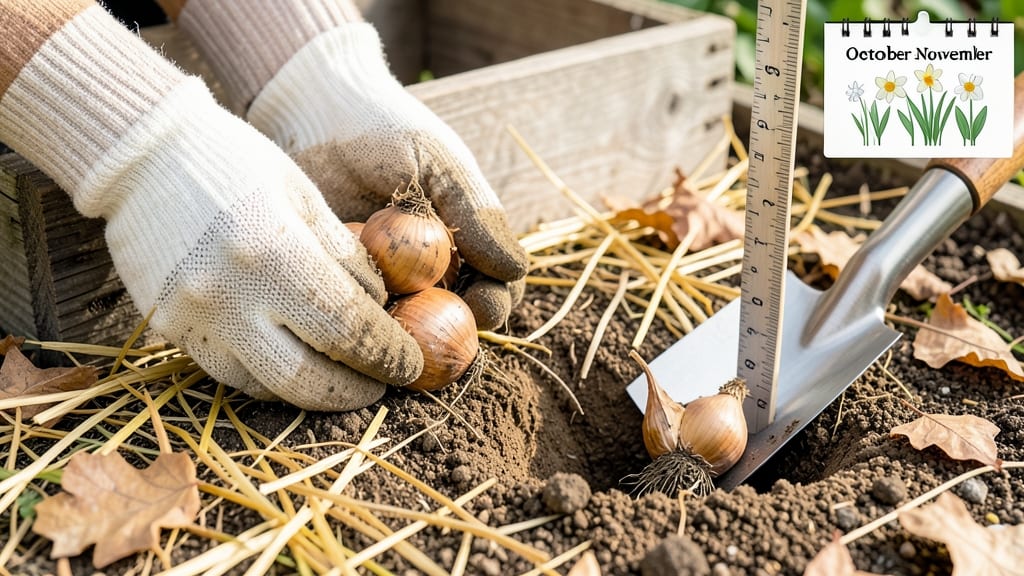
If you’ve ever wondered when to plant bulbs in Maryland and dreaded the thought of frozen bulbs or missed blooms, you’re not alone. Maryland’s 6a-7b zones demand precision—plant too early, and frost zaps your efforts; too late, and your garden misses the spring parade of 🌷 tulips and daffodils.
The secret lies in timing: fall plantings (September–November) give bulbs roots before winter, while spring options (March–April) offer a backup. But with Maryland’s unpredictable frost dates—November 15 in Zone 6a or December 1 in Zone 7b—knowing the exact window is the key to vibrant blooms.
I’ll break down the ideal months for each bulb type, soil prep tips for Maryland’s clay-heavy soils, and how to adjust for your specific zone—whether you’re in Baltimore, Frederick, or the Eastern Shore. Let’s turn your bulb dreams into a guaranteed spring spectacle.
Ready to skip the guesswork? Here’s your step-by-step guide to planting bulbs right the first time—no frost, no stress, just stunning flowers.
Maryland bulb planting deadlines by hardiness Zone (6A-7B)
Maryland’s USDA zones 6A-7B create a 6-8 week window for planting bulbs, but timing varies dramatically between Western MD’s colder microclimates (like Frederick) and Eastern Shore’s milder coastal zones.
Missing these deadlines can leave your bulbs vulnerable to winter heaving or rot from spring rains—so let’s break it down by zone and bulb type.
For Zone 6A (Baltimore, Frederick), aim to plant fall bulbs by November 15—any later risks freeze damage before roots establish. Zone 7B (Annapolis, Eastern Shore) gardeners have until December 1, but don’t wait too long or bulbs may sprout prematurely in warm winters.
Spring planting (March-April) is a backup, but tulips and hyacinths perform best when planted in fall.
Pro Tip: Use Maryland’s average first frost dates as your guide: October 15 (Zone 6A) and November 1 (Zone 7B). Plant 6-8 weeks before these dates to ensure roots grow before winter sets in. For example, tulips need 10-12 weeks of chilling, so plant them by mid-October in Zone 6A.
| Bulb Type | Zone 6A Deadline | Zone 7B Deadline | Spring Backup | Notes |
|---|---|---|---|---|
| Tulips | October 15 | November 1 | March 15-April 15 | Needs 10-12 weeks chilling |
| Daffodils | November 1 | November 15 | March 1-April 1 | Deer-resistant; blooms early |
| Hyacinths | October 30 | November 10 | Not recommended | Fragrant; plant deep (6") |
| Crocuses | October 1 | October 15 | September (fall backup) | Early bloomer; naturalizes well |
| Alliums | October 15 | November 1 | March 15-April 15 | Late-season; drought-tolerant |
If you miss the fall window, don’t panic! Spring planting works for daffodils, alliums, and some tulip varieties, but avoid hyacinths and crocuses—they need winter chilling.
For spring plantings, get bulbs in the ground by March 15 in Zone 6A or April 1 in Zone 7B, before soil warms above 50°F.
Maryland’s clay-heavy soils (common in Western MD) can cause waterlogging, so amend with compost or sand to improve drainage. In coastal Zone 7B, where winters are milder, extend your window by planting late-blooming bulbs like alliums in November—they’ll thrive through late spring rains without rotting.
For container gardening, plant bulbs in well-draining pots by October 15 (Zone 6A) or November 1 (Zone 7B). Use a lightweight potting mix and place containers in a protected spot (like a garage) during freezing temperatures to prevent root damage.
Move pots outside in early spring once soil warms to 40°F.
Remember: Soil temperature
Maryland bulb planting deadlines by hardiness Zone (6A-7B)
Maryland’s USDA zones 6a-7b create a tight window for planting bulbs—6-8 weeks before the first frost is your golden rule. For Zone 6a (e.g., Baltimore’s northern suburbs), that means September 15–November 15, while Zone 7b (e.g., Southern Maryland) extends to November 15–December 1.
Miss this window, and your bulbs may rot before winter or fail to bloom.
Most gardeners focus on fall planting (September–November) because bulbs need time to establish roots before freezing. But if you miss the fall window, early spring (March–April) offers a backup—just be prepared for smaller blooms if roots don’t fully develop.
Maryland’s clay-heavy soils also mean amending with compost or sand is non-negotiable for drainage.
🌱 Pro Tip: Use a soil thermometer—bulbs should go in when soil temps hit 60°F (ideal for root growth) but before nighttime temps drop below 40°F. In Zone 6a, that’s usually mid-October for tulips; in Zone 7b, late November works for daffodils.
| Bulb Type | Zone 6a Deadline | Zone 7b Deadline | Spring Backup | Notes |
|---|---|---|---|---|
| Tulips | Oct 1–Nov 15 | Nov 1–Dec 1 | Mar 1–Apr 15 | Plant deep (6"–8") to prevent squirrel digging. |
| Daffodils | Sep 15–Nov 15 | Oct 1–Dec 15 | Mar 15–Apr 30 | Deer-resistant; plant in clusters. |
| Hyacinths | Sep 15–Oct 30 | Oct 1–Nov 15 | Limited success | Needs well-drained soil; avoid soggy spots. |
| Crocuses | Sep 1–Oct 15 | Sep 15–Nov 1 | Mar 1–Apr 1 | Early bloomers; great for winter interest. |
| Alliums | Sep 15–Nov 1 | Oct 1–Dec 1 | Mar 15–Apr 15 | Drought-tolerant; late-season blooms. |
For Eastern Shore gardeners (Zone 7a), aim for October 1–November 15—the cooler coastal climate delays frost slightly. In Western MD (Zone 6a), prioritize September plantings to beat early freezes. Always check your local last frost date (e.g., Maryland State Climate Office) for precision.
🌿 Soil Prep Check: Maryland’s clay soils need 2–3 inches of compost mixed into the top 12" of soil. Add perlite or coarse sand if your area holds water after rain. Test drainage by digging a 12" hole—if it fills with water in 24 hours, amend immediately.
If you’re still unsure about your zone, use this quick trick: Find your average first frost date (e.g., November 15 for Zone 6a), count back 6 weeks, and plant by that date.
For example, if frost hits November 15, plant tulips by October 1. Simple, foolproof, and guaranteed to work.