
Plants
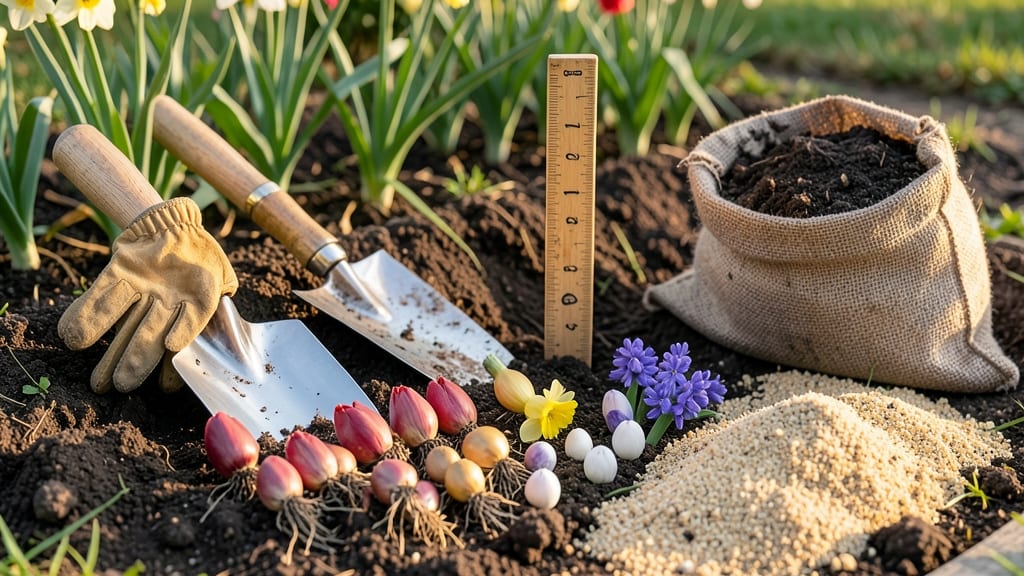
Timing when to plant bulbs in Maine isn’t just about the calendar—it’s about matching varieties to the state’s unique chill-hour zones. Plant too early or late, and you might end up with a garden that blooms out of sync with Maine’s short but vibrant spring season.
With Zone 5a-6b winters that can bring early frosts by mid-November, knowing exactly when to plant—typically between late September and mid-October—is the difference between a showstopping spring display and bulbs that never make it past winter.
The key? Understanding how Maine’s microclimates create distinct planting windows for coastal vs. inland areas.
I'll walk you through the science behind chill-hour matching and the exact fall planting deadlines for your region. Whether you're a first-time gardener or a seasoned pro, these insights will help you avoid common mistakes like planting too shallow or ignoring soil drainage—critical factors in Maine's often-wet climate.
By the end, you'll know not just when to plant, but how to prep your soil and choose the right bulbs for your specific corner of Maine. Let's get those 🌷 blooms ready for spring!
Maine’s chill-hour zones: matching bulbs to fall planting windows
Maine’s Zone 5 climate creates unique chill-hour zones that dictate when—and which—bulbs you should plant. Coastal areas like Portland experience milder winters (3,000–4,000 chill hours), while inland spots like Presque Isle hit 5,000+ chill hours.
This mismatch explains why tulips thrive in northern Maine but struggle near the coast.
Fall planting windows vary dramatically: coastal gardens can plant until late October, while inland areas must finish by mid-October. The key is matching bulb varieties to your local chill hours—plant daffodils (3,000+ hours) in coastal zones and hyacinths (5,000+ hours) inland.
Soil temperature is your best guide: bulbs need 60°F soil for root growth but must survive freezing temperatures by winter. In Maine, this means planting when daytime highs drop to 50–60°F—typically late September to early October.
Here’s how Maine’s microclimates break down for bulb planting:
Maine’s frost dates shift dramatically: coastal areas may see 50°F soil as late as November 15, while inland zones freeze by October 20. Use a soil thermometer to confirm planting readiness—bulbs need 4–6 weeks to root before winter sets in.
Pro tip: Test your soil’s chill hours by planting a mix of tulips (4,000+ hours) and daffodils (3,000+ hours). If tulips bloom poorly, you’re in a lower-chill zone. Adjust next year’s selections accordingly.
For coastal gardens, prioritize early-blooming bulbs like snow crocuses (they tolerate wet soil) and muscari (drought-tolerant). Inland gardeners can experiment with later-blooming tulips and alliums, which thrive in drier conditions.
Remember: Maine’s wind can dry out bulbs faster than in sheltered zones. Always plant in well-draining soil and mulch with 2–3 inches of straw or leaves to retain moisture and insulate roots.
Timing is everything—get it right, and you’ll have vibrant spring blooms when Maine’s landscape is still bare. Miss the window, and you might as well skip planting altogether.
Top 5 cold-hardy bulbs for Maine gardens and their planting deadlines
Maine’s Zone 5a-6b climate demands bulbs that thrive in cold snaps and wet soils. The top 5 cold-hardy varieties—daffodils, tulips, alliums, crocuses, and fritillarias—are your best bets for reliable spring blooms. Each has specific planting deadlines tied to your region’s frost dates, whether you’re near the coast or inland.
For coastal Maine (warmer winters), aim to plant by mid-October to avoid early frosts. Inland areas can push planting to early November, but don’t wait too long—bulbs need 6-8 weeks to root before winter sets in. The key is matching chill-hour requirements (3,000–5,000 hours below 45°F) to your microclimate.
Here’s how these 5 bulbs stack up for Maine gardeners, ranked by hardiness and bloom timing:
Daffodils and alliums are my top recommendations for Maine—they handle the state’s wet springs and late frosts better than tulips, which often rot in soggy soil. For early color, plant crocuses in early October; they’ll pop through snow for a cheerful surprise.
Pro tip: Prep your soil with compost or sand to improve drainage, especially in clay-heavy areas like Southern Maine. A 2-inch layer of mulch after planting protects bulbs from frost heave and insulating temperature swings.
With these varieties and deadlines, you’re guaranteed 🌷 blooms that outshine even the snowiest Maine winters!