
Plants
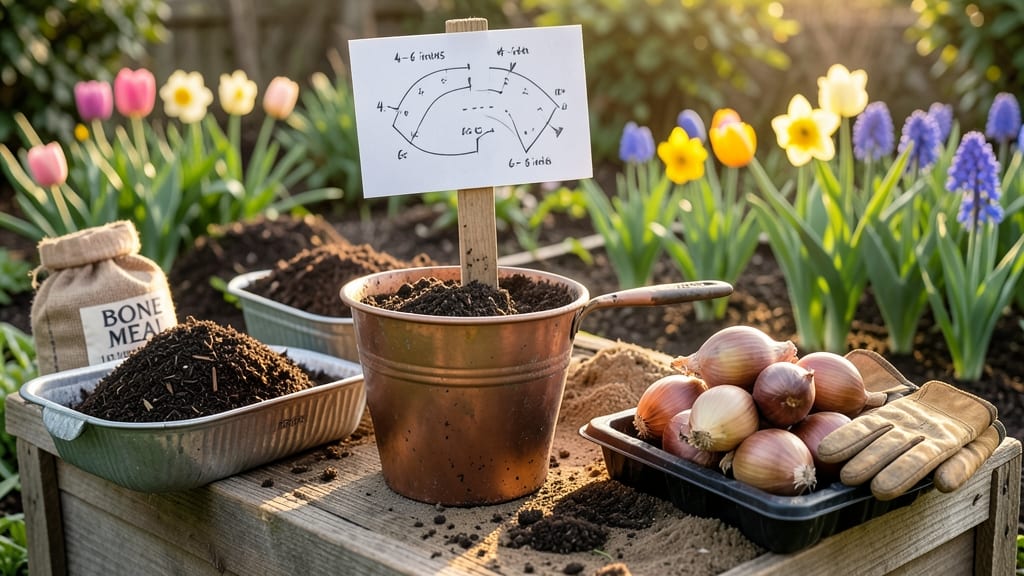
If you’ve ever stared at a bag of bulbs wondering "when to plant bulbs in Zone 6a", you’re not alone—getting the timing wrong can mean the difference between a garden bursting with color and a wasted investment.
The key lies in understanding your local frost dates and soil conditions, which vary even within Zone 6a’s 165 frost-free days.
Fall planting is your golden window, but rushing it can lead to rot, while waiting too long risks bulbs sprouting before winter. I’ll break down the exact September-November timeline for tulips, daffodils, and more, plus why early spring replanting works for late bloomers like alliums.
No more guessing—just science-backed steps to ensure your 🌱 friends thrive.
What if you missed the fall window? Don’t panic—spring planting still works for certain varieties, but the rules change. I’ll cover how to prep your soil, adjust depth, and even force bulbs indoors for a head start.
Whether you’re a first-time gardener or a seasoned pro, these tips will help you avoid common mistakes that derail even the best-laid plans.
Ready to transform your garden into a springtime spectacle? Let’s dive into the exact months and techniques that’ll have your bulbs blooming like clockwork—no more second-guessing, just stunning results. Your future self (and your neighbors) will thank you.
Zone 6A bulb planting calendar: exact months by bulb type
Planting bulbs in Zone 6A requires precision—miss the window, and you risk rot or missed blooms. Most bulbs thrive when planted in fall, but some varieties like crocus or snowdrops can handle early spring planting.
The key is aligning with your last frost date (typically mid-October) and soil temperatures below 60°F.
For spring-blooming bulbs like tulips and daffodils, aim to plant 6-8 weeks before the ground freezes.
This usually lands in September or early October for Zone 6A. Fall-blooming varieties, such as crocus and allium, can go in slightly later—even as late as November—since they need a cold period to trigger blooms.
🌱
| Bulb Type | Best Planting Month | Soil Temp Threshold | Depth (inches) | Notes |
|---|---|---|---|---|
| Tulips | September-October | Below 60°F | 6-8 | Plant early for best blooms |
| Daffodils | September-October | Below 60°F | 6-8 | Deer-resistant; great for borders |
| Hyacinths | September-October | Below 60°F | 6-8 | Fragrant; plant in clusters |
| Crocus | October-November | Below 50°F | 3-4 | Early bloomer; great for lawns |
| Allium | September-October | Below 60°F | 6-8 | Drought-tolerant; striking purple blooms |
| Snowdrops | September-October | Below 60°F | 4-6 | Blooms in late winter; shade-tolerant |
If you’re planting in late fall, opt for hardy varieties like daffodils or allium, which can handle cold soil better than tulips. For spring planting, stick to early bloomers like crocus or snowdrops, which can tolerate cooler soil temperatures.
Pro tip: Use a soil thermometer to confirm temperatures are consistently below 60°F before planting. This ensures bulbs won’t sprout prematurely and rot in cold soil. In Zone 6A, this usually happens by mid-October, but check your local frost dates for precision.
For layered planting, start with late-season bulbs (like crocus) in November, then add tulips and daffodils in September or October. This creates a staggered bloom effect, extending your garden’s color from early spring to late spring.
🌷
Don’t forget to label your bulbs if you’re planting a mix of varieties. This helps track what’s where, especially if you’re experimenting with unusual colors or heights. Over time, you’ll learn which bulbs thrive best in your specific Zone 6A microclimate—whether it’s a
Critical mistakes that ruin Zone 6A bulb planting (and how to avoid them)
Planting bulbs in Zone 6A seems straightforward, but small mistakes can turn your spring blooms into flops. The biggest culprit? Timing. Planting too early lets bulbs rot in warm soil, while waiting too late risks frost damage before roots establish.
Even experienced gardeners fall into these traps—let’s fix them together.
Another common error is planting depth. Most gardeners bury bulbs too deep, smothering the flower stalks before they emerge. A simple 3x rule (depth = 3x bulb width) solves this.
For example, a 2-inch tulip bulb should go 6 inches deep. Overlooking drainage is just as deadly—waterlogged soil turns bulbs to mush over winter.
Planting fall bulbs after October 15 risks early frost damage before roots grow. Use the "6-week rule": Plant when soil cools to 60°F (15°C) and you have 6 weeks until frost.
Don’t skip soil preparation. Amending clay-heavy Zone 6A soil with compost or sand prevents waterlogging. Test your soil’s pH too—most bulbs thrive in neutral to slightly acidic soil (6.0–7.0). If your garden soil is too alkaline, mix in peat moss or pine needles before planting.
Even spring planting has pitfalls. Many gardeners wait until April when soil is already warming, but bulbs like daffodils need cool soil (50–60°F/10–15°C) to root. Plant in March for best results. Also, avoid overcrowding—space bulbs 3–6 inches apart (depending on size) to prevent disease spread.
Finally, fertilizing at the wrong time stunts growth. Bulbs need low-nitrogen food (like 5-10-10) in early spring when shoots emerge, but never fertilize in fall. Too much nitrogen then encourages leafy growth at the expense of flower buds.
By avoiding these Zone 6A planting mistakes, your bulbs will thrive year after year. Start with soil prep, nail the 6-week rule, and watch your garden explode with color next spring! 🌷