
Plants
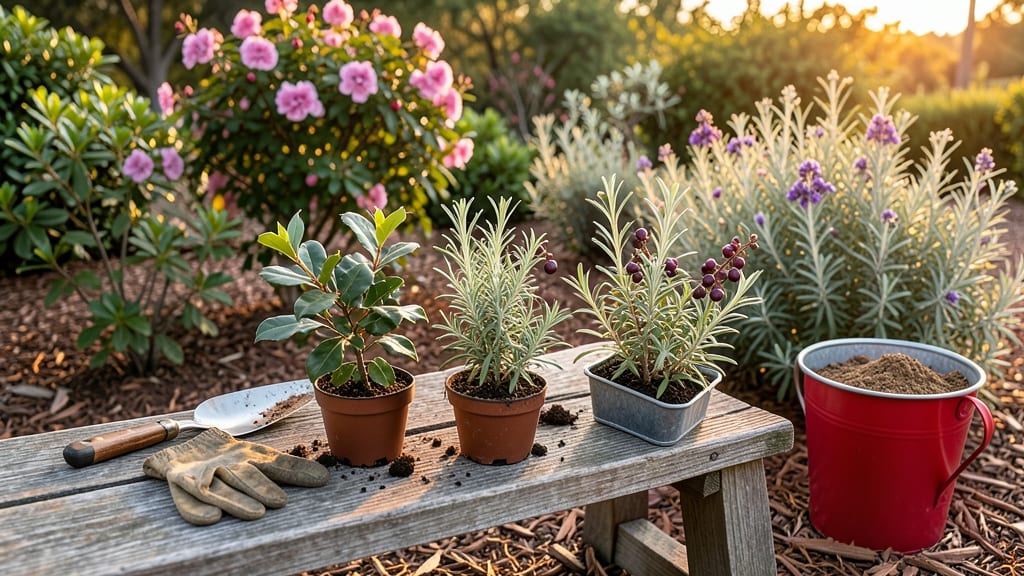
Timing your bushes in Texas planting just right can mean the difference between lush, thriving landscapes and struggling shrubs that never quite take hold. With Texas' brutal heat and unpredictable frost patterns, getting the schedule wrong could leave your 🌿 struggling—or worse, dead before summer even arrives.
Most gardeners assume spring is the only safe window, but Texas' diverse climate zones (from 8a in the north to 10b in the south) actually create two prime opportunities: fall and spring.
The key isn't just picking a month—it's understanding your specific region's last frost date and how long your bushes need to establish strong roots before summer's relentless sun arrives.
In this guide, I'll break down exactly when to plant in North, Central, and South Texas—plus the 3 critical mistakes that derail even well-intentioned gardeners.
You'll learn which bushes thrive best in your heat zone, how to prep soil for Texas' tricky clay or sandy loam, and when to water to avoid shocking young plants.
Whether you're planting fragrant crape myrtles or hardy yaupon hollies, getting this timing right means your shrubs will establish faster, bloom brighter, and survive Texas summers without a fight. Let's get your landscape off to the best possible start.
Texas heat-zone planting calendar: best months for bushes by region
Texas isn’t one-size-fits-all when it comes to planting bushes. The state spans three distinct USDA hardiness zones (8a–10b), each with wildly different frost risks and summer heat spikes.
Planting a Crape Myrtle in North Texas during April might work, but the same schedule could fry roots in South Texas by May. Let’s break down the perfect planting windows for each region, using data from Texas A&M AgriLife.
In North Texas (Zone 8a), where frosts linger until mid-February and brutal summer heat arrives by June, your safest bet is to plant bushes in early spring (March–April) or fall (September–early November).
This gives roots time to establish before the 100°F+ summers or freezing nights. For example, Dwarf Yaupon Hollies thrive when planted in March, while Oakleaf Hydrangeas prefer October to avoid heat stress.
Central Texas (Zone 8b) offers a slightly longer window—think February 28 to May 15—but heat and drought can still sneak up fast. Here, Texas Sage and Abelia love early spring planting, while Wax Myrtles handle late fall better.
The key is to avoid June–August entirely; new roots can’t handle the combination of heat and dry winds.
South Texas (Zones 9a–10b) is the most forgiving, with rare frosts and year-round growing potential. However, even here, summer planting (June–July) is risky unless you’re using shade cloth or drip irrigation.
The sweet spot? September–November for fall bloomers like Texas Mountain Laurel or February–March for spring stars such as Crape Myrtles.
| Region | USDA Zone | Last Frost | Best Planting Months | Avoid Planting |
|---|---|---|---|---|
| North Texas | 8a | Feb 15 | Mar–Apr, Sep–Nov | May–Aug, Dec–Feb |
| Central Texas | 8b | Feb 28 | Feb–May, Sep–Oct | Jun–Aug, Nov–Jan |
| South Texas | 9a–10b | Mar 15 (rare) | Feb–Mar, Sep–Nov | Apr–Aug |
Pro tip: Use Texas A&M’s Frost Free Date Map to pinpoint your exact last frost date. Planting 6–8 weeks before the first frost in fall (or after the last frost in spring) gives bushes enough time to root before extreme weather hits.
For example, in Austin (Zone 8b), aim for March 1–April 15 or September 15–October 31.
Microclimates matter too. A north-facing yard in Dallas stays cooler than a south-facing slope in San Antonio.
If you’re unsure, err on the side of earlier spring planting—bushes like Texas Sage and Lantana can handle light frosts if established, while tender perennials (like Oleander) need full summer heat to thrive.
Don’t overlook soil moisture when timing your plantings. Texas summers dry out soil 3x faster than spring or fall. After transplanting, give bushes a deep watering (1–2 gallons) to encourage root growth.
In West Texas, where rainfall is scarce, mulch heavily to retain moisture—even native grasses work better than imported topsoil.
For container-grown bushes, timing shifts slightly. You can plant year-round in South Texas (Zones 9a–10b) as long as you protect them from extreme heat or cold snaps.
In North Texas, stick to spring or fall and move containers to shaded areas during peak summer to prevent root burn.
Remember: Texas heat is no joke. A bush planted in June in Houston might survive, but it’ll struggle to bloom or grow strong. When in doubt, ask your local nursery—they’ve seen firsthand which varieties thrive in your heat zone.
With the right timing, your bushes will reward you with
How to choose bushes that thrive in Texas’ harsh conditions
Texas’s brutal summers and unpredictable winters demand heat-tolerant, drought-resistant bushes that can handle 100°F+ temps and clay-heavy soil. Picking the wrong shrub means wilting leaves, stunted growth, or worse—plant death before it even establishes.
The key is selecting native or adapted species that match your USDA Zone (8a–10b) and sun exposure.
Start with Texas natives like Yucca or Wax Myrtle, which evolved to thrive here. These plants need minimal water once established and zero chemical fertilizers to survive. Non-natives like Crape Myrtle or Texas Sage also excel but require well-draining soil to avoid root rot in Texas’s heavy clay.
Soil prep is non-negotiable. Texas soil is often alkaline and compacted, so amend with compost or organic matter to improve drainage. For sandy soils, add peat moss or coconut coir to retain moisture.
Test your soil’s pH—most Texas bushes prefer 6.0–7.5, but Azaleas or Gardenias need acidic soil (5.0–6.0).
Avoid water-guzzling bushes like Boxwood or Rhododendron unless you’re in South Texas (Zone 10a) with consistent irrigation. Instead, opt for low-maintenance evergreens like Texas Mountain Laurel, which fixes nitrogen in the soil and thrives in full sun or partial shade.
For color impact, Salvia greggii (Autumn Sage) blooms nonstop from spring to frost with zero extra water.
When shopping for bushes, check the tag for mature size—what fits in your yard now may become a 15-foot monster in 5 years. Prune new growth annually to encourage bushier shapes, and never remove more than 1/3 of the plant at once.
For fastest establishment, plant in early spring (March) or fall (October), when temps are mild and roots can grow without stress.
Remember: Texas bushes don’t need babying. Once established, they’ll outlast droughts, heatwaves, and even occasional freezes—if you pick the right varieties and prep the soil correctly. Start with one or two tough natives, and expand your collection as you master the art of low-water landscaping. 🌿