
Plants
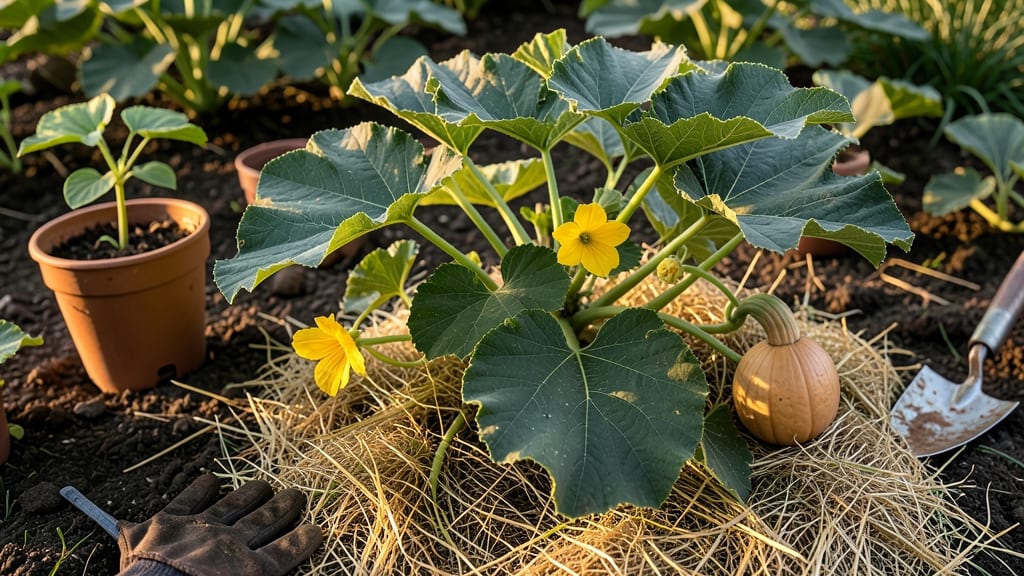
If you’ve ever wondered when to plant butternut squash in Florida, timing is your secret weapon—because one wrong move, and your 🎃 vines could either thrive or wither under the sun.
Florida’s frost-free zones (like 9a-11) mean you’ve got two chances a year to grow these sweet, nutty gems, but getting it wrong can mean smaller harvests or even failed crops.
The key? Planting in mid-March to early July for spring squash or September to early October for fall harvests—when soil temps hit 60°F and humidity won’t smother your seedlings.
I’ve grown butternut squash here for years, and I’ll show you exactly how to avoid common pitfalls—like overwatering in summer storms or letting vines sprawl into chaos. You’ll learn the best spacing, companion plants, and even how to protect your crop from Florida’s unpredictable weather.
Ready to turn your garden into a butternut squash powerhouse? Let’s dive into the perfect planting schedule that’ll have you harvesting until winter—without the guesswork.
Best planting months for butternut squash in Florida’s climate zones
Florida’s unique climate—with its frost-free zones and long growing seasons—creates a near-perfect environment for growing butternut squash. Unlike northern states, you don’t need to worry about frost dates, but heat tolerance and soil temperatures still dictate the ideal planting window.
In most of Florida (USDA zones 9a-11), the best time to plant butternut squash is mid-March through early July for a fall harvest, or September through early October for a winter harvest.
But here’s the catch: Northern Florida (Zone 9a) can experience light frosts in December, so timing matters even more. Meanwhile, Southern Florida (Zone 10a-11) enjoys year-round growing potential.
The key is planting when soil temperatures hit at least 60°F—this ensures strong germination and avoids heat stress later in the season.
Let’s break it down by Florida’s climate zones to give you the most precise planting schedule for your region. This table covers ideal months, soil prep, and heat considerations to maximize your yield.
For Zone 9a gardeners, planting in March or April ensures your squash matures before summer’s intense heat (which can reduce yields).
In Zones 10a-11, you can even plant in winter months (January-February) for a spring harvest, but avoid peak summer if you’re in a hotter microclimate like Miami or Naples.
One pro tip: Use black plastic mulch to warm the soil faster in early spring plantings. This helps speed up germination and gives your vines a head start.
In Southern Florida, where humidity is high, focus on airflow by spacing plants 3-4 feet apart to prevent powdery mildew.
If you’re in Central Florida (Zone 9b), aim for a two-part planting strategy: Start with direct seeding in March for a fall harvest, then follow up with transplants in September for a winter harvest.
This extends your growing season and reduces the risk of heat stress during Florida’s brutal summer.
Remember, butternut squash vines can grow 3-6 feet tall, so choose a sunny, open spot with well-draining soil. Amend your soil with compost before planting to improve fertility, especially if your garden soil is sandy or clay-heavy, which is common in Florida.
For container growing, select large pots (at least 15-gallon size) and use a lightweight potting mix to prevent root rot. Containers dry out faster in Florida’s heat, so water consistently and monitor soil moisture daily during summer months.
Now that you’ve got the perfect planting window for your zone, your next step is to prepare for Florida’s summer heat and hurricane risks. We’ll cover that in the next section—stay tuned!
Best planting months for butternut squash in Florida’s climate zones
Florida’s frost-free zones (8A-11) create a unique advantage for growing butternut squash—you can plant twice a year! But the ideal window depends on your specific zone and avoiding summer’s brutal heat.
In Zones 9A-10A, aim for mid-March to early July for spring planting, while Zones 8A (like North Florida) should wait until late March to early June to avoid early-season humidity stress.
Soil temperature is your best guide: butternut squash seeds need at least 60°F soil to germinate. In Florida, this typically happens by mid-March in southern zones but may wait until April in northern areas.
Use a soil thermometer to confirm—cold soil = slow or failed germination. I once planted too early in Zone 9A and lost half my seedlings to damp-off fungus because the soil was still chilly.
For fall harvests, the sweet spot is September to early October. This gives squash 80-100 days to mature before cooler temps slow growth. In Zone 10A, you can even push planting to late October for a winter harvest, though yields may be smaller.
The key is avoiding hurricane season (June-November), which can damage young vines.
| Zone | Spring Planting Window | Fall Planting Window | Soil Temp Threshold | Key Risk |
|---|---|---|---|---|
| 8A (North FL) | Late March–Early June | September–Early October | 60°F+ | Early humidity |
| 9A (Central FL) | Mid-March–Early July | Late August–Early October | 60°F+ | Summer heat stress |
| 10A-11 (South FL) | February–June | September–Late October | 65°F+ | Hurricane damage |
Pro tip: Direct-seed in Florida’s heat—transplants struggle with the shock. Drop seeds 1 inch deep and 3 feet apart in hills, with 4-5 seeds per hill. Thin to the strongest seedling once they’re 2 inches tall.
I’ve found that black plastic mulch warms the soil faster and keeps weeds down, which is a game-changer in humid Florida.
Watch for heat stress signs like yellowing leaves or wilting vines after 90°F+ days. Provide afternoon shade cloth if temps climb too high, or opt for shorter-season varieties like ‘Waltham’s Butternut’ (85 days) over longer ones.
In my Zone 9B garden, I’ve had success with staggered plantings—March, April, and September—to spread out the harvest and avoid glut.
Remember: Florida’s humidity and summer rains can create perfect conditions for powdery mildew. Space plants properly, avoid overhead watering, and choose resistant varieties like ‘Sweet Dumpling’ to stay ahead of fungal issues.
With the right timing, you’ll enjoy sweet, homegrown butternut squash from October through December—or even into spring with fall plantings!