Plants
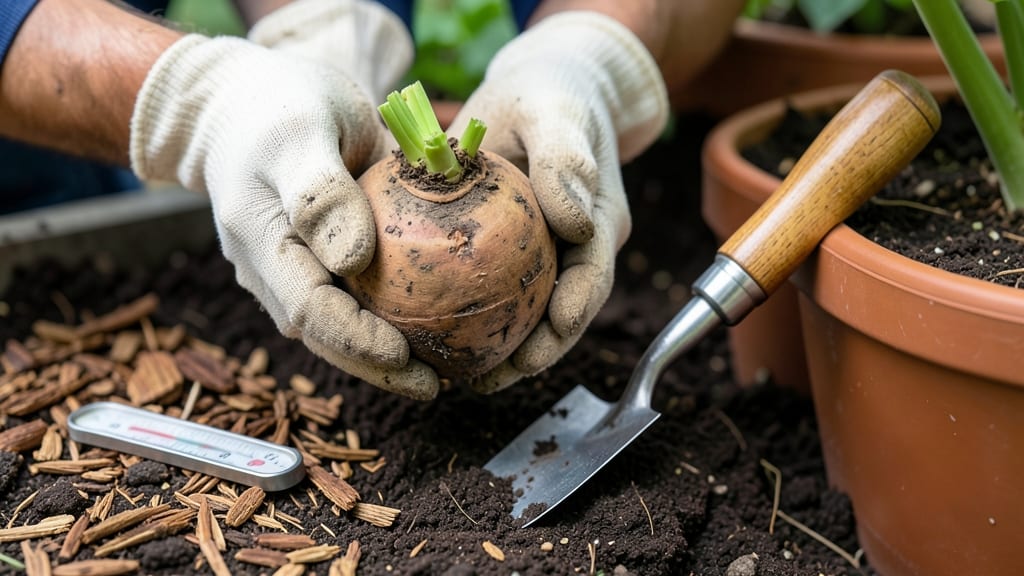
If you're dreaming of show-stopping foliage in your Zone 7 garden, timing is everything—especially when it comes to planting caladium bulbs 🌿. These tropical beauties refuse to play nice with cold soil, and getting the schedule wrong means waiting months for those heart-shaped leaves to shine.
Most gardeners in Zone 7 rush to plant after the last frost (usually mid-April), but that’s not always the right move. The real secret?
Waiting until the soil hits a steady 60–65°F—a warmth signal that tells your caladium bulbs, "Yes, it’s finally safe to grow!" Without this cue, your plants may languish or even rot before they ever get a chance to bloom.
Here’s the good news: with the right approach, you can coax vibrant caladiums into your garden by early summer, turning shady spots into lush, colorful displays.
I’ll break down the exact window, soil tests you can do at home, and even how to adjust if your spring runs cooler than usual.
Ready to skip the guesswork and plant with confidence? Let’s dive into the science—and a few pro tips—to ensure your caladiums thrive from day one.
Zone 7 caladium planting timeline: when soil warmth triggers growth
Caladium bulbs are tropical divas that refuse to play in cold soil. In Zone 7, your planting window hinges on two critical factors: soil temperature and last frost dates. Unlike hardy perennials, caladiums demand warmth—60–65°F soil—to sprout without risking frost damage.
Aim for mid-April to early May in most of Zone 7, but microclimates (like urban heat islands) may shift this by 1–2 weeks earlier.
For precise timing, track your average last frost date (typically March 15 in Zone 7) and add 2–4 weeks to account for soil warming.
Early planters in northern Zone 7 (e.g., Cincinnati) should wait until late April, while southern areas (e.g., Atlanta) can plant as early as mid-March if soil meets the 60°F threshold.
🌱
Pro tip: Use a soil thermometer to confirm readiness—caladiums won’t sprout until soil hits 60°F consistently. In northern Zone 7, where springs are cooler, consider black plastic mulch 2 weeks before planting to warm the soil 5–10°F faster.
This trick can shave 10–14 days off your waiting game.
If you’re in a microclimate with slower soil warming (e.g., shaded garden beds), opt for container planting with heat-retentive materials like fabric grow bags. These warm up 2–3°F faster than ground soil, giving you a 2-week head start on in-ground planting.
Timing isn’t just about the calendar—it’s about soil temperature. In Zone 7’s variable springs, a 5-day stretch below 50°F can stall growth or worse, kill tender shoots. Monitor your garden’s microclimate: South-facing beds warm 3–5°F faster than north-facing spots, so adjust your schedule accordingly.
For container gardeners, the rules relax slightly. Pots warm up quicker, so you can plant 1–2 weeks earlier than in-ground. Just ensure your containers have drainage holes and use a lightweight potting mix to prevent waterlogging—caladiums hate soggy roots.
🌿
Remember: Caladiums are not frost-tolerant. Even a light freeze (28°F) will blacken their
Zone 7 caladium planting timeline: when soil warmth triggers growth
Your Zone 7 caladium bulbs won’t sprout until the soil warms to 60–65°F—a critical threshold that most gardeners miss. Unlike cool-season crops, these tropical plants refuse to grow in chilly soil, and planting too early risks rot or stunted growth.
The ideal window? Mid-April to early May in most of Zone 7, but this shifts 2–3 weeks later in cooler microclimates like the Appalachians.
For example, if your last frost date is April 15 but the soil stays below 60°F until May 1, wait—don’t rush! Caladiums planted in cold soil may take 6+ weeks to emerge, delaying your vibrant foliage display until summer’s end. The key is soil temperature, not calendar dates.
| Stage | Action | Soil Temp | Zone 7 Window |
|---|---|---|---|
| Prep Soil | Amend with compost; ensure drainage | N/A | March–early April |
| Plant Bulbs | 4–6" deep, flat-side down | 60–65°F | Mid-April–early May |
| Sprouting | Keep soil moist; mulch to retain heat | 65–75°F | Late May–June |
| Peak Foliage | Fertilize lightly; protect from wind | 70–80°F | June–August |
Pro tip: Use a soil thermometer (just $10 at garden centers) to confirm readiness. Stick it in the ground at 4-inch depth—the depth where your bulbs will sit—and plant only when it reads consistently 60°F or warmer for 3+ days. This small step saves weeks of frustration.
If you’re in northern Zone 7 (e.g., near Cincinnati or Pittsburgh), aim for late April planting. For southern Zone 7 (e.g., Atlanta or Raleigh), you can start as early as mid-March, but monitor soil temps daily.
A late frost? Wait until May 1—caladiums are patient, but cold soil isn’t.
Once planted, your bulbs will sprout in 4–6 weeks under ideal conditions, with full foliage emerging by late June. But here’s the catch: if you plant after June 1, you’ll miss the peak summer display and may only get sparse growth.
Time it right, and your caladiums will steal the show from July through September.
For a head start, consider container planting—I’ll cover how to extend your season in containers later, but even in-ground plantings benefit from a thick mulch layer (2–3 inches of straw or shredded leaves) to lock in warmth and moisture. This simple trick can shave 1–2 weeks off your time-to-bloom.