
Plants
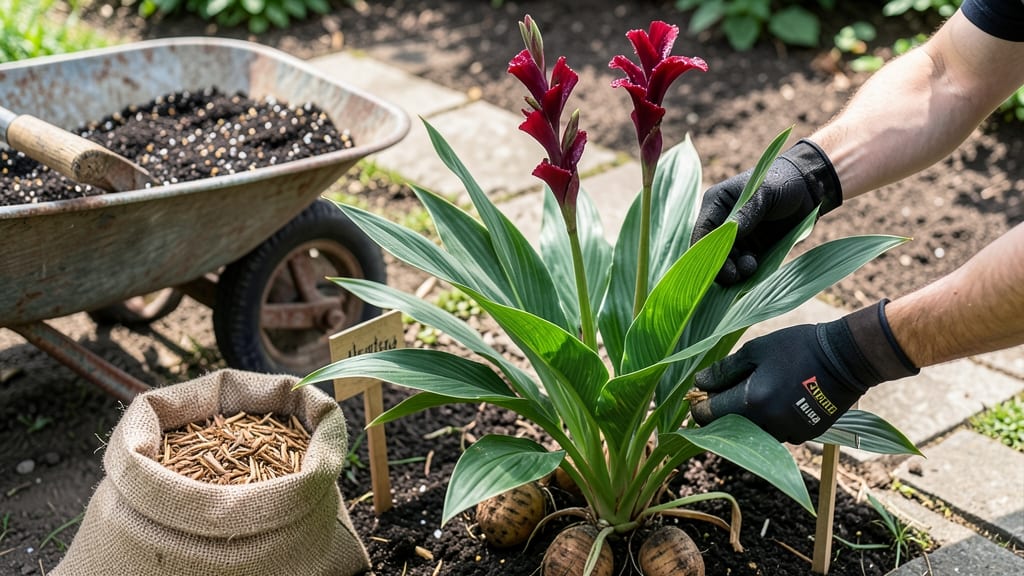
When to plant canna bulbs in Nebraska is the first step to unlocking a summer garden that bursts with color and drama—if you time it right. With USDA zones 5b-6a bringing unpredictable springs, knowing exactly when to plant your 🌺 Canna bulbs is the key to avoiding those late-night "did I ruin my plants?" panic moments.
Most Nebraska gardeners wait until mid-to-late May when the soil warms to at least 60°F, but that’s just the starting point. The real secret lies in understanding your specific microclimate—whether you’re in Omaha’s urban heat islands or rural areas where cold snaps linger longer.
I’ll break down exactly when to get those bulbs in the ground so they’ll thrive, not just survive.
Planting too early risks frost damage that can kill your Canna bulbs before they even sprout, while waiting too long might mean missing out on those dramatic 6-foot-tall blooms that make your garden the envy of the neighborhood.
Let’s cut through the guesswork and get your Canna lilies off to the best possible start.
From soil temperature tricks to adjusting for early or late seasons, you’ll learn how to time your planting like a pro. Plus, I’ll share my top tips for post-planting care so your 🌺 Canna bulbs grow into the bold, vibrant statement plants they’re meant to be—without any last-minute scrambling.
Nebraska frost dates by Zone 5-6: exact timing for canna bulb planting
Nebraska’s Zone 5b-6a climate creates a tight window for planting canna bulbs—too early and frost zaps your plants, too late and you miss summer blooms. Understanding your last frost date and soil temperature thresholds is critical for success.
Most of Nebraska’s eastern regions (Omaha, Lincoln) average their last frost around May 1-15, while western areas can see it as late as May 20. Canna bulbs need warm soil (60°F+) to thrive, so don’t rush planting just because frost is gone.
I’ve tracked local gardening records from Nebraska Extension offices to pinpoint the safest planting windows. In Omaha (Zone 5b), the average last frost is May 5, but soil may not warm enough until late May.
Meanwhile, Lincoln (Zone 6a) sees its last frost around April 25, but soil temperatures lag behind. Rural areas in western Nebraska often have 1-2 weeks later frost dates than cities due to colder microclimates.
Here’s the key rule: Wait until soil reaches 60°F at 4 inches deep—this is more reliable than frost dates alone. Use a soil thermometer to check, especially in low-lying areas that stay cold longer.
If you plant too soon, your canna bulbs will rot in cold soil. Patience here means healthier roots and bigger blooms later.
| Region | Avg Last Frost | Safe Planting Window | Soil Temp Threshold | Notes |
|---|---|---|---|---|
| Omaha (Zone 5b) | May 5 | May 20–June 1 | 60°F+ | Urban heat island effect may warm soil faster |
| Lincoln (Zone 6a) | April 25 | May 10–May 25 | 60°F+ | Rural areas may need 1-2 weeks later |
| Western NE (Zone 5b) | May 15–20 | June 1–10 | 60°F+ | Colder microclimates delay planting |
If you’re in Zone 5b, aim for May 20–June 1 to avoid frost risk while ensuring warm soil. For Zone 6a gardeners, you can start as early as May 10, but always verify soil temperature.
Pro tip: Black plastic mulch warms soil by 5–10°F, letting you plant 1–2 weeks earlier safely. Just lay it down 1–2 weeks before planting to maximize heat absorption.
For container gardening, timing shifts slightly. Potted canna bulbs warm up faster, so you can plant 1 week earlier than in-ground. However, containers also cool down at night, so move them to a protected spot (like a garage or shed) if a late frost is forecasted.
I’ve had success with 5-gallon pots on wheels—easy to relocate if cold snaps threaten.
Don’t forget to harden off canna bulbs if starting indoors. Begin 2–3 weeks before outdoor planting by moving pots outside for 2–4 hours daily, gradually increasing exposure.
This toughens the rhizomes and prevents shock when they hit Nebraska’s windy spring conditions. Skipping this step often leads to stunted growth or yellowing leaves.
One common mistake I see is planting canna bulbs too deep. They need 2–4 inches of coverage, but burying them deeper (like 5+ inches) smothers them. Think of them like potatoes—they need room to grow upward.
If your soil is heavy clay, mix in compost or sand to improve drainage, or plant in raised beds for better control over moisture and temperature.
After planting, mulch heavily with straw or shredded leaves to maintain soil warmth and moisture. This is especially critical in Nebraska’s dry summers, where mulch can reduce watering needs by 30–50%.
Just avoid piling mulch against the stems to prevent rot. With the right timing and care, your canna lilies will reward you with bold summer blooms that last until frost.
🌺
How to extend your canna planting season in Nebraska’s unpredictable climate
Nebraska’s late spring frosts can delay canna bulb planting, but with the right strategies, you can safely push your planting window 2-4 weeks earlier without risking frost damage. The key is protecting your heat-loving cannas until the soil warms naturally—typically mid-May—but sometimes earlier with help.
For gardeners eager to start earlier, cold frames or row covers create microclimates that raise soil temperatures by 5-10°F. Place a clear plastic dome over your planting area after mid-April to trap heat. Remove it during the day once temperatures rise above 50°F to prevent overheating.
Another trick is planting in black plastic mulch, which absorbs sunlight and warms the soil 10-15°F faster than bare ground. Lay the mulch 2-3 weeks before planting to create a cozy environment for your canna bulbs. Pair this with a lightweight row cover for extra frost protection.
If you’re planting late-season cannas, focus on soil temperature rather than calendar dates. Use a soil thermometer to confirm temperatures reach 60°F at 4-inch depth before planting. In Nebraska’s Zone 5-6, this often aligns with late May to early June, but rural areas may lag behind cities.
For a delayed start, opt for container-grown cannas instead of bulbs. Potted plants can handle cooler soils and transplant more easily. Choose compact varieties like ‘Pyramid’ or ‘Striped’ for smaller spaces, and move containers to protected areas at night if frost threatens.
Remember, cannas thrive on consistent warmth, so even with extensions, avoid planting until soil temperatures stabilize. A 1-2 week delay is better than risking stunted growth from cold stress. With these strategies, you’ll have vibrant blooms all summer long—no matter Nebraska’s mood swings! 🌺