
Plants
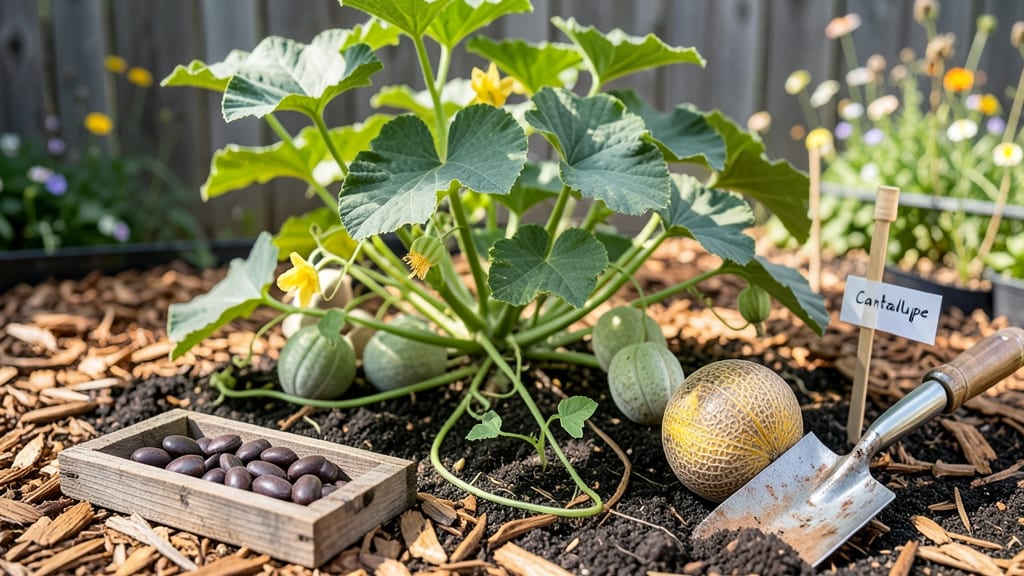
Timing your cantaloupe planting just right in North Texas can mean the difference between a bountiful harvest of juicy 🍈 melons and a disappointing failure.
The key window—late March to early April—gives your plants enough time to mature before the brutal summer heat arrives, but getting it wrong means frost or scorching temperatures can ruin your crop.
As someone who’s tested different planting schedules in USDA Zone 8a, I’ve learned that waiting until after the last frost (around March 15) is crucial—but that’s just the start. Soil temperature must also reach at least 70°F before you plant, or your seeds won’t germinate properly.
Skipping this step often leads to slow growth or weak vines that struggle in the heat.
What sets North Texas apart is the need to balance early planting with heat tolerance. While late March works for some varieties, others thrive better when planted in early April, giving them a head start before the 100°F+ summers hit.
I’ll break down the exact weeks after last frost that work best for your microclimate, whether you’re in Dallas, Fort Worth, or Lubbock.
Beyond timing, I’ll share soil prep tips, heat-tolerant variety recommendations, and even companion planting strategies to maximize your cantaloupe’s success. By the end, you’ll know exactly when to plant—and how to give your melons the best shot at thriving in North Texas’ unpredictable climate.
North Texas cantaloupe planting calendar: exact weeks after last frost and heat tolerance zones
Cantaloupes thrive in North Texas’ long, hot summers, but timing your planting is critical—too early means frost damage, and too late risks overwhelming heat before harvest.
The average last frost date for most of North Texas (Dallas, Fort Worth, Lubbock) falls around March 15, but soil conditions matter more than calendar dates.
For successful cantaloupe growth, aim to plant 2–4 weeks after your last frost, once soil temperatures consistently reach 70°F (21°C). This typically lands between late March and early April for most regions.
However, heat-tolerant varieties like 'Athena' or 'Hale’s Best' can handle slightly later plantings if you’re in Zone 8a or hotter microclimates.
Here’s a region-specific breakdown to help you pinpoint the best time for your area:
If you’re starting seeds indoors, begin 4–6 weeks before your target outdoor planting date. Use biodegradable pots to avoid transplant shock when moving seedlings outdoors. Harden them off for 7–10 days by gradually exposing them to outdoor conditions during the day and bringing them inside at night.
For direct sowing outdoors, wait until nighttime temperatures stay above 55°F (13°C)—this usually aligns with mid-April for most of North Texas. Plant seeds ½ inch deep and space them 2–3 feet apart in hills or mounds to improve drainage and warmth.
Pro tip: Use a soil thermometer to confirm soil temperatures. Cantaloupes won’t germinate below 60°F (15°C), and slow growth can lead to pests and diseases taking hold. If your soil is too cold, consider black plastic mulch to warm it up faster.
Once planted, cantaloupes need 75–90 days to mature. In North Texas, this means harvesting between July and September. The earlier you plant, the sooner you’ll harvest, but avoid planting before April 1 unless you’re using row covers to protect against late frosts.
Remember: Heat is your friend after planting! Cantaloupes love the Texas summer, but they need consistent moisture to develop sweet, juicy fruit. Plan for deep watering 2–3 times per week once vines start spreading.
5 Critical factors that determine your cantaloupe planting success in North Texas
North Texas cantaloupe thrives when you nail these 5 critical factors, starting with soil preparation. Test your soil’s pH—it should be between 6.0 and 6.8—and amend with compost if needed.
I’ve found that adding aged manure or worm castings boosts fertility without burning delicate cantaloupe roots. Skip the fresh manure, though; it can overheat the soil and stunt growth.
Next, prioritize full sun exposure—your cantaloupe needs 8+ hours of direct sunlight daily. In Dallas or Fort Worth, this means planting near your home’s south-facing wall or using reflective mulch to maximize light.
Shade from trees or buildings can delay fruiting by weeks, leaving your plants vulnerable to late-summer heat stress.
🌱 Soil temperature is non-negotiable: seeds won’t germinate until the soil hits 70°F. Use a soil thermometer to check—planting too early in cool soil leads to moldy seeds or weak seedlings. Pro tip: Cover beds with black plastic mulch 1–2 weeks before planting to warm the soil faster.
Watering strategy makes or breaks your harvest. Cantaloupes need deep, infrequent watering—aim for 1–2 inches per week, delivered in the morning to prevent fungal diseases.
Drip irrigation is ideal; overhead watering can spread cucumber beetles, which devastate young plants. I’ve lost entire beds to these pests when I skipped this step.
Finally, pest prevention starts before planting. Squash vine borers and cucumber beetles are relentless in North Texas. Use row covers for the first 3 weeks, then switch to neem oil sprays or plant basil or marigolds nearby as natural deterrents.
I’ve also had success with yellow sticky traps to catch beetles early.
Here’s your pre-planting