
Plants
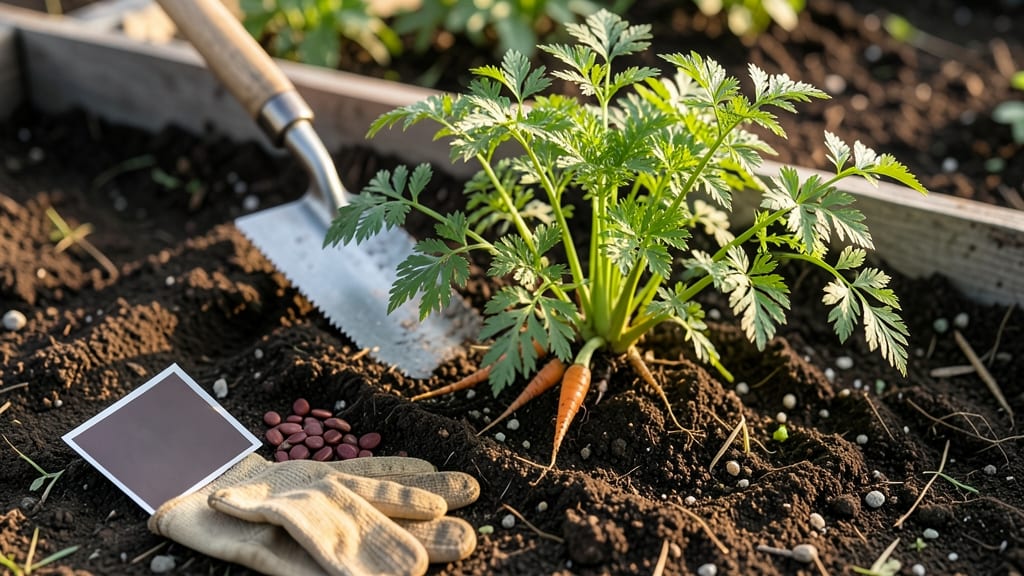
Timing your 🥕 carrot planting in Georgia can mean the difference between sweet, crisp harvests and bitter, bolted disappointments. With Georgia's 7b-8b climate zones, those February-March windows aren't just suggestions—they're your golden tickets to avoiding summer heat stress while still beating the first frost.
I've learned the hard way that planting too early risks cold soil stunting your roots, while waiting too late means summer's relentless sun turns your carrots tough and woody.
The secret? Two perfect planting cycles—spring for early harvests and fall for winter storage—each with its own soil prep secrets to keep your carrots growing straight and sweet.
What if I told you there's a 3-step system to extend your carrot season by months? We'll cover exactly when to sow each batch, how to protect seedlings from Georgia's unpredictable weather swings, and which varieties actually thrive in our heat.
No more guessing games—just foolproof timing that works for both North and South Georgia gardeners.
Ready to transform your garden into a carrot-producing machine? Let's dive into the exact planting schedule that'll have you pulling homegrown carrots from May through December—no matter where you are in the Peach State.
Best planting months for carrots in Georgia’s climate zones
Georgia’s USDA zones 7b-8b offer two prime windows for growing crisp, sweet carrots: early spring and late summer. The key is planting when soil temperatures stay between 50°F and 75°F—too hot or cold stunts growth or triggers bolting.
In North Georgia (zones 7a-7b), aim for February to early April and August to September, while South Georgia (zones 8a-8b) can start as early as January and extend into October.
Timing isn’t one-size-fits-all because Georgia’s microclimates vary wildly. For example, Atlanta’s last frost date averages March 15, but mountain regions like Blue Ridge can see frost into April.
Coastal areas like Savannah rarely face frost after January. Use your local frost-free date as your anchor—plant carrots 4-6 weeks before the first expected frost for a fall harvest.
Carrots hate hot summer soil, which causes them to grow short, misshapen, or bitter. If you’re planting in late summer (August-September), focus on shade cloth or choose heat-tolerant varieties like Danvers Half Long. Avoid planting after mid-September in North Georgia—roots won’t mature before first frost.
Soil temperature is your secret weapon. Use a soil thermometer to confirm temps are 55°F+ before planting. Cold soil (below 50°F) slows germination, while soil above 80°F triggers bolting.
In South Georgia’s warmer zones, you can push spring planting to April, but North Georgia gardeners should finish by mid-April to avoid heat stress.
Here’s the golden rule: Plant carrots when your local garden center stocks seeds—this aligns with optimal soil temps. For fall harvests, aim for August sowing in North Georgia and September in South Georgia.
In both cases, roots should mature before first frost, which typically hits late November.
| Region | USDA Zone | Spring Planting Window | Fall Planting Window | Soil Temp Threshold | Key Risk |
|---|---|---|---|---|---|
| North Georgia (Atlanta, Blue Ridge) | 7a-7b | Feb 15 - Apr 15 | Aug 1 - Sep 15 | 55°F-75°F | Late frost, heat stress |
| Central Georgia (Macon, Columbus) | 7b-8a | Jan 30 - Apr 30 | Jul 20 - Sep 30 | 55°F-78°F | Bolting in summer |
| South Georgia (Savannah, Brunswick) | 8a-8b | Jan 15 - May 1 | Aug 10 - Oct 15 | 60°F-80°F | Pest pressure |
✅ Pro Tip: Use black plastic mulch to warm soil faster in spring.
Bolting—when carrots send up flower stalks—is a common Georgia pitfall. It’s triggered by heat stress or long days. To prevent it, plant shade-tolerant varieties like Nantes in summer and use 30-50% shade cloth during June-August.
In North Georgia, bolting is less likely in spring plantings before April 15.
For storage carrots that last through winter, plant Danvers types in late August. These varieties store well and tolerate light frosts. Harvest before hard freezes (below 20°F) by pulling roots and storing them in sand or sawdust at 32°F.
Don’t overlook succession planting—sow new seeds every 2-3 weeks from February to April and August to September for a continuous harvest. This works especially well in South Georgia’s longer growing season, where you can stretch harvests from April to December.
Test your soil’s pH (6.0-7.0 ideal) before planting—Georgia’s clay-heavy soils often need compost or sand for loose, crumbly texture. Carrots refuse to
How to extend carrot season in Georgia: succession planting guide
Georgia gardeners can enjoy fresh carrots from spring through winter using a simple succession planting strategy. The key is staggering sowing dates every 2-3 weeks to maintain a steady harvest.
I’ve tested this method for years in my Atlanta garden, and it works beautifully—even in our hot summers when most gardeners give up!
For North Georgia (zones 7a-7b), start your first batch in late February and continue through early April, with a second round in late July to mid-August.
In South Georgia (zones 8a-8b), you can begin as early as January and extend your last planting to early September.
Here’s my proven 4-cycle schedule that keeps carrots growing straight and sweet year-round:
- Late Feb: First sowing (soil temp 50°F+)
- Early April: Final spring batch (harvest by June)
- Mid-July: Sow under 30% shade cloth (prevents bolting)
- Late Aug: Final summer batch (harvest by Oct)
- Early Sept: Plant for winter storage (harvest before frost)
- Mid-Oct: Final batch (harvest by Dec)
- Jan-Feb: Cold-hardy varieties (e.g., Purple Haze) for early spring harvests
To protect summer seedlings from Georgia’s intense heat, use lightweight shade cloth (30-50%) and water deeply early in the morning. I’ve also had success with companion planting—try pairing carrots with leeks or onions to deter carrot flies while improving flavor.
For North Georgia gardeners, focus on short-season varieties like Paris Market (55 days) to avoid summer bolting. In South Georgia, heat-tolerant Danvers or Nantes types perform best when sown in late summer. The secret? Keep soil consistently moist—never soggy—during these critical months.
With this schedule, I’ve harvested carrots every 3-4 weeks from May through December. The trick is thinning seedlings to 2-3 inches apart and mulching heavily to retain moisture. Don’t skip the mulch—it’s what keeps your carrots growing straight and sweet even during Georgia’s hottest months! 🌱