
Plants
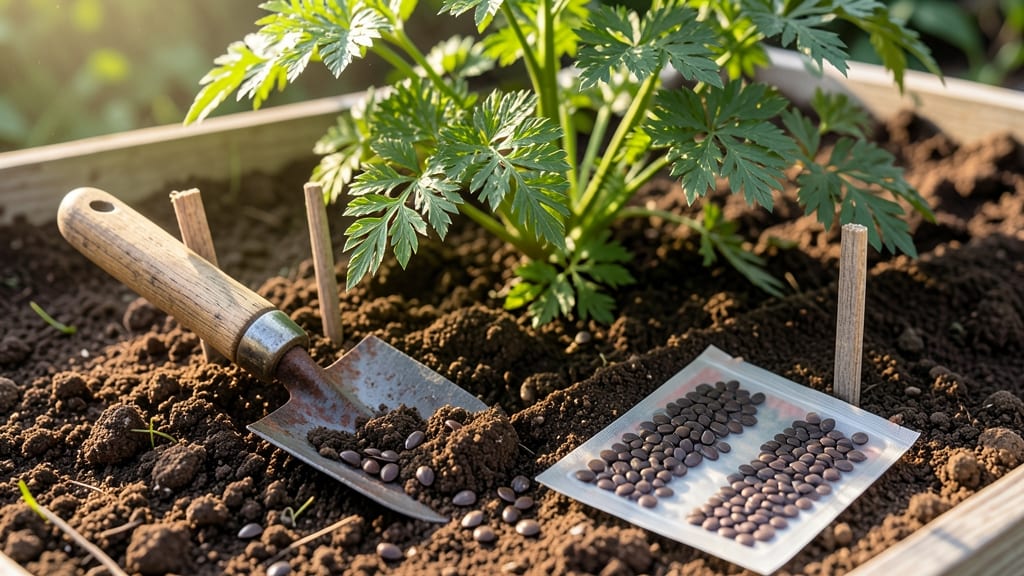
Timing your 🥕 carrot planting in Seattle could mean the difference between a bumper crop and a bolted disappointment—because those crisp, sweet roots need just the right conditions to thrive in our famously fickle climate.
If you’ve ever watched your carrot seeds sprout into leafy greens instead of plump roots, you know how frustrating it can be. The key lies in planting during Seattle’s two ideal windows: early spring (March-April) and late summer (August-September), when soil temperatures and daylight balance perfectly for growth.
In this guide, I’ll break down the exact dates to plant for bolt-free, fork-free carrots, plus soil prep secrets to avoid Seattle’s clay-heavy pitfalls. Whether you’re a first-time gardener or a seasoned green thumb, these tips will help you grow carrots that rival your favorite market finds.
Let’s get those seeds in the ground at the perfect moment—because in Seattle, timing is everything when it comes to 🥕 carrot success.
Seattle carrot planting calendar: best months for success
Timing is everything when growing carrots in Seattle. The Pacific Northwest’s cool, wet climate means you’ve got two prime windows: early spring and late summer. Miss these, and you’ll battle bolting (premature flowering) or frost damage.
Let’s break down the ideal planting months with soil temperature thresholds that actually work in Seattle’s USDA Zone 8a.
Most gardeners in Seattle focus on March-April for spring plantings, but August-September offers a second chance for fall harvests. The key? Soil temperature must stay above 50°F for seeds to germinate. Below that, and you’ll wait weeks—or give up entirely. Use a soil thermometer (they’re cheap!) to check before planting.
Here’s your Seattle carrot planting timeline, including microclimate adjustments for areas like the Puget Sound (cooler, wetter) versus the Eastside (warmer, drier). Pro tip: Eastside gardeners can push spring plantings into early May, while Sound-side growers should stick to March-April to avoid soggy soil.
Seattle’s last frost date hovers around March 15, but don’t let that fool you. Eastside areas (like Bellevue or Kirkland) can see 10–14 days earlier safe planting, while West Seattle or Bainbridge Island may need to wait until April 1.
Always check your local Cooperative Extension Service for updates, as La Niña years can push frost dates later.
For fall plantings, aim for August 1 to give carrots time to mature before the first frost (November 1). If you plant too late, you’ll end up with small, woody roots. Succession planting every 2 weeks in August ensures a steady harvest through October.
Pro move: Direct-sow seeds—carrots hate transplanting and often develop forked roots when disturbed.
One Seattle-specific hack I swear by? Plant carrots with onions. The onions deter carrot flies, while the carrots keep onion maggots away. It’s a win-win for companion planting in the PNW. Plus, onions tolerate Seattle’s acidic soil better than most veggies.
Don’t forget to loosen your soil before planting—Seattle’s clay-heavy soil is a nightmare for carrots. Mix in compost and coarse sand to prevent forking. And if your soil feels like cement, consider container growing with a well-draining potting mix. It’s not cheating; it’s smart gardening.
Finally, shade cloth is your best friend during hot Seattle summers (yes, they happen!). If temps climb above 85°F
How to avoid common carrot failures in Seattle’s climate
Seattle’s cool, wet springs and clay-heavy soil create perfect conditions for carrot growing disasters—unless you know how to troubleshoot them. I’ve grown carrots here for years, and these three mistakes nearly ruined my harvests until I learned the fixes.
First, planting too early when soil temperatures dip below 50°F can stall germination for weeks. Carrot seeds need consistent warmth to sprout reliably, and Seattle’s March soil often stays chilly. Wait until your soil reaches at least 55°F before sowing.
Second, skipping soil loosening in Seattle’s dense clay leads to forked, misshapen roots. The solution? Amend your beds with coarse sand or peat moss to improve drainage and prevent roots from twisting. I mix in 20% sand by volume for perfect-growing conditions.
Finally, ignoring succession plantings means harvest gaps and wasted space. Instead of one big planting, try weekly sowings every 2-3 weeks from March through May. This ensures a steady supply and prevents bolting from heat stress later in the season.
⚠️ Seattle Carrot Pitfalls to Avoid
- 🌡️ Cold Soil: Planting before 55°F soil temp delays germination by 3+ weeks.
- 🏗️ Compacted Clay: Forked roots happen when seeds can't push through dense soil.
- ☀️ Late Heat: July heat causes bolting—shade cloth helps extend the season.
For extra protection, use shade cloth (30-50%) during Seattle’s occasional heatwaves in July and August. This trick has saved my Paris Market carrots from bolting multiple times. Even a simple row cover works in a pinch.
Remember: thin seedlings to 2 inches apart when they’re 2 inches tall. Crowded carrots compete for nutrients and grow small. I use a pair of scissors to snip unwanted sprouts at soil level—it’s faster than pulling and less disruptive to roots.
With these adjustments, you’ll go from leafy tops and woody roots to a bountiful harvest of sweet, straight carrots. The key is preventing problems before they start—Seattle’s climate demands it!