
Plants
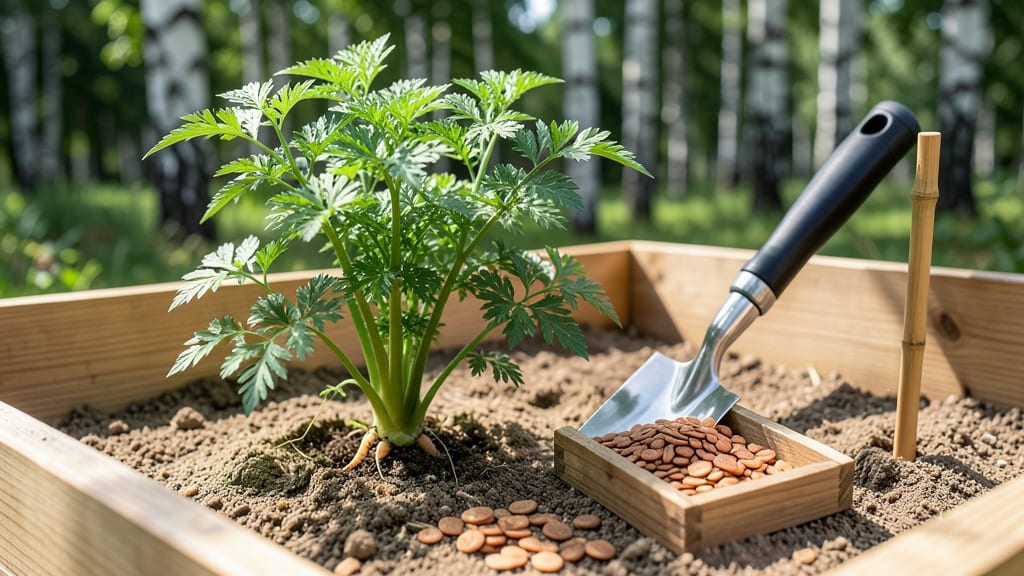
Figuring out when to plant carrots in Zone 7a can feel like solving a puzzle—get the timing wrong, and you might end up with bitter, forked 🥕 or no harvest at all.
But here’s the good news: with the right soil temperature cues and frost-free dates, you can nail the perfect planting window for sweet, crisp carrots every season.
In Zone 7a, the ideal time to plant carrots is between March and April for a spring harvest or August to September for a fall crop.
The key is waiting until the soil warms to at least 50°F—too cold, and your seeds will rot; too hot, and they’ll bolt before you even see sprouts. I’ll break down exactly how to time it right, so you avoid common mistakes and maximize your yield.
Whether you’re a first-time gardener or a seasoned grower, understanding these seasonal rules will help you plan ahead. You’ll learn how to adjust for early or late frosts, which carrot varieties thrive in your zone, and even how to extend your growing season with simple tricks.
Let’s get those roots growing!
Ready to dig in? By the end of this guide, you’ll know exactly when to plant, how to prep your soil, and what to watch for to ensure a bountiful harvest. No more guessing—just sweet, homegrown carrots all season long.
Zone 7a carrot planting timeline: frost dates & soil temperature rules
Getting your carrot planting right in Zone 7a means timing it between the last frost and summer heat. The average last frost date here is April 15, but microclimates can shift this by 1-2 weeks.
For example, Piedmont areas often warm faster than Appalachian foothills. Always check your local frost-free date for precision.
Carrots thrive in soil temperatures between 50–85°F. Plant too early when soils are cold (<50°F), and seeds rot. Too late (above 85°F), and they bolt prematurely. Use a soil thermometer to confirm readiness—55°F is your sweet spot for germination.
Spring planting in Zone 7a starts 4–6 weeks before your last frost. For most gardeners, that’s late February to early March. If you’re in a cooler microclimate, wait until mid-March to avoid frost damage. Fall planting begins 8–10 weeks before your first frost (around August 15).
Here’s how to align your planting with Zone 7a’s climate quirks:
| Season | Planting Window | Soil Temp | Key Notes |
|---|---|---|---|
| Spring | Late Feb–Early April | 50–70°F | Start indoors 6 weeks before last frost for early harvests. |
| Summer | Avoid (heat stress) | N/A | Use shade cloth if planting late July for fall crops. |
| Fall | Mid-Aug–Early Sept | 60–75°F | Choose quick-maturing varieties like 'Paris Market' for late harvests. |
Zone 7a’s 185 frost-free days create a narrow window for success. If you miss spring planting, don’t panic—succession planting every 2 weeks until mid-June keeps your harvest going. For fall, prioritize short-day varieties like 'Early Nantes' to mature before frost.
Watch for unpredictable heat spikes in late spring. If temperatures climb above 80°F for 3+ days, carrots may bolt. Use row covers or plant in partial shade during heatwaves. In Appalachian areas, morning fog can delay soil warming—plant on south-facing slopes to speed things up.
Pro tip: Mark your calendar for June 15 as the last safe date for spring plantings. After that, focus on shade-tolerant varieties like 'Black Beauty' or switch to leafy greens for summer containers. Fall’s second planting window opens August 1, but rush it with cold-hardy types like 'Chantenay'.
Always test your soil’s drainage before planting. Carrots hate soggy roots—amend heavy clay with compost or sand to prevent forking. In Zone 7a, aim for loamy soil with a pH of 6.0–7.0. A quick percolation test (pour water on soil; it should drain in 4–6 hours) ensures success.
For container growing, use deep pots (12+ inches) and plant 2–3 weeks earlier than in-ground beds. Containers warm faster and dry out quicker, so monitor soil moisture closely. In Zone 7a’s humid summers, mulch with straw to retain moisture and deter pests like carrot rust flies.
Remember: Zone 7a’s humidity can lead to fungal diseases. Space plants 2–3 inches apart for airflow and avoid overhead watering. A drip irrigation system keeps foliage dry and roots consistently moist—critical for sweet, straight carrots.
How to extend your carrot harvest season in Zone 7a: succession planting & cold frames
Zone 7a gardeners can enjoy fresh carrots for nearly 10 months with the right strategies. The trick is succession planting—staggering sowings every 2–3 weeks—to keep roots maturing as old ones are harvested.
Start your first batch in late February and continue until mid-June, then switch to fall varieties in August.
For early spring harvests, choose cold-hardy varieties like 'Danvers Half Long' (60–70 days to maturity). These tolerate light frosts and germinate faster in cool soils.
Plant them 4–6 weeks before your last frost (around March 1 in most of Zone 7a). Use row covers to protect seedlings from late frosts.
Here’s how to maximize your harvest window:
- Late Feb–Early March: Plant 'Paris Market' (50 days) for baby carrots by April.
- Mid-March–Early April: Sow 'Nantes' (70 days) for summer harvests in June–July.
- Late April–Early May: Try 'Black Beauty' (75 days) for late-summer storage.
- Mid-August–Early Sept: Plant 'Chantenay' (65 days) for fall harvests before frost.
- Late Sept: Use cold frames to extend harvests into November.
In Zone 7a’s humid summers, carrots struggle with bolting if planted after June 15. Instead, use shade cloth (30–50%) to lower soil temps by 10–15°F and prevent premature flowering.
For late-summer plantings, opt for short-day varieties like 'Early Nantes' (60 days) and sow them in partial shade.
Cold frames are a game-changer for fall and winter harvests. Build one with clear plastic or glass and bury it 6–12 inches deep to insulate roots.
Plant quick-maturing varieties like 'Little Finger' (50 days) in late August—they’ll be ready by October, and the cold frame will protect them until December in mild Zone 7a winters.
Don’t forget container growing! Deep pots (12+ inches) let you plant 2–3 weeks earlier than in-ground beds. Use lightweight potting mix with perlite to improve drainage, and place containers near south-facing walls to capture extra warmth. In containers, carrots mature 10–15% faster due to better soil aeration.
Pro tip: Mark your calendar for September 15 as the last date to plant for a fall harvest. After that, focus on overwintering varieties like 'Purple Haze' (70 days), which stores well in sandy soil or sand-filled buckets in a cool basement.
With these techniques, you’ll enjoy homegrown carrots from April through November—no grocery store needed!