
Plants
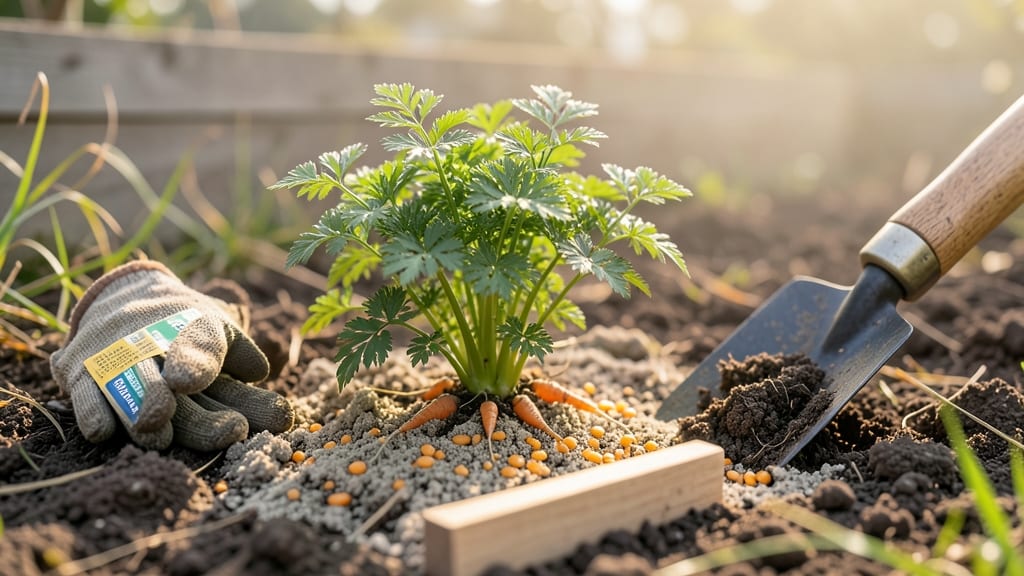
Knowing when to plant carrots in Zone 5b can mean the difference between a bumper crop of sweet, crisp 🥕 and a disappointing harvest. In this cold-hardy zone, timing isn't just about avoiding frost—it's about working with it to your advantage.
Spring planting starts as soon as the soil warms to 50°F (usually late March to early April), while late summer sowings in July-August give you a fall harvest before frost sets in. The key? Choosing frost-tolerant varieties and spacing plantings every 2-3 weeks for continuous harvests.
I'll walk you through the exact windows, soil prep tips, and variety recommendations that work best in Zone 5b's unique climate. Whether you're a first-time gardener or a seasoned grower, these strategies will help you maximize your carrot yield all season long.
Let's dive into the perfect planting schedule so you can enjoy homegrown carrots from early summer through crisp fall days—no matter how unpredictable your Zone 5b weather gets.
Best planting windows for carrots in Zone 5B: frost-tolerant timing guide
Carrots thrive in Zone 5B when planted at the right time—too early, and late frosts damage tender seedlings; too late, and summer heat makes them tough and woody. The key is understanding your last frost date (around April 15) and soil temperatures.
Most gardeners in this zone succeed with two main planting windows: early spring and late summer.
For spring planting, aim to sow seeds 4-6 weeks before your last frost. This typically means late March to early April in most of Zone 5B. The soil should be at least 40°F (4°C)—use a soil thermometer to check.
If you plant too soon, cold soil can stunt germination or cause forked roots.
Your second planting window comes in late summer (around July 15-August 15) for a fall harvest. This works because carrots need 60-80 days to mature, and planting in late July ensures they’ll be ready before the first frost in mid-October.
Just avoid planting after mid-August, or they won’t have enough time to grow.
If you’re eager for an early harvest, try succession planting every 2 weeks in spring. Sow a small batch in late March, then follow up with more seeds in early April.
This staggered approach ensures a steady supply of fresh carrots instead of one big harvest. Just be sure to thin seedlings to 2-3 inches apart—crowded carrots grow forked or misshapen.
For summer planting, focus on heat-tolerant varieties like 'Danvers' or 'Nantes'. These handle the 75-85°F (24-29°C) temperatures better than others. Water deeply in the morning to keep soil moist but not soggy—carrots hate waterlogged soil, which causes rot.
One common mistake in Zone 5B is planting carrots too close to the last frost. If the ground is still cold or wet, seeds may rot before sprouting.
To test readiness, press your finger into the soil—it should feel crumbly and warm (not icy). If it’s still damp and chilly, wait another week or two.
Pro tip: Use black plastic mulch in early spring to warm the soil faster and suppress weeds. Remove it once seedlings emerge to avoid overheating. For late summer plantings, a lightweight row cover can protect young plants from late summer pests like carrot rust fly.
Remember, Zone 5B’s short growing season means every day counts. By mastering these planting windows, you’ll enjoy crisp, sweet carrots from June through October—no store-bought ones needed! 🥕
Best planting windows for carrots in Zone 5B: frost-tolerant timing guide
In Zone 5b, the last spring frost typically arrives around April 15, but your carrot planting schedule should start much earlier. The magic number here is soil temperature: carrots need the ground to warm to at least 50°F before sowing.
That usually means late March for early varieties, especially if you're using row covers for frost protection.
I’ve found that planting in two main windows—early spring and late summer—gives the best results. The first window opens when soil temps hit 50°F, and the second window is July-August for a fall harvest.
This two-pronged approach ensures you avoid both frost damage and the bolting that summer heat can trigger.
Here’s a quick breakdown of the optimal planting windows and what to watch for in each:
For early spring plantings, I recommend starting with cold-hardy varieties like 'Nantes' or 'Paris Market'. These can tolerate light frosts and still produce sweet roots. The key is to cover seedlings with a lightweight row cover if nighttime temps dip below 32°F.
I’ve had great success with black plastic mulch to warm the soil faster and protect young plants.
If you’re aiming for a fall harvest, your July-August plantings should focus on varieties that mature quickly, like 'Danvers' or 'Purple Haze'. These handle the late summer heat better than others and still deliver crisp roots before the first frost.
Just be sure to water deeply during dry spells—carrots need consistent moisture to stay sweet and avoid cracking.
Pro tip: Succession plant every 2-3 weeks throughout the growing season. This staggered approach ensures you’re always harvesting fresh carrots and avoids overwhelming your garden with a single massive crop. In Zone 5b, this means 4-5 plantings total—one in spring, two in summer, and one in early fall.
Remember, soil preparation is just as critical as timing. Carrots need loose, stone-free soil to grow straight and sweet. Work in compost before planting and avoid working the soil when it’s wet to prevent clumping.
With the right timing and soil prep, you’ll be enjoying homegrown carrots from June through October—no store-bought roots required! 🥕