
Plants
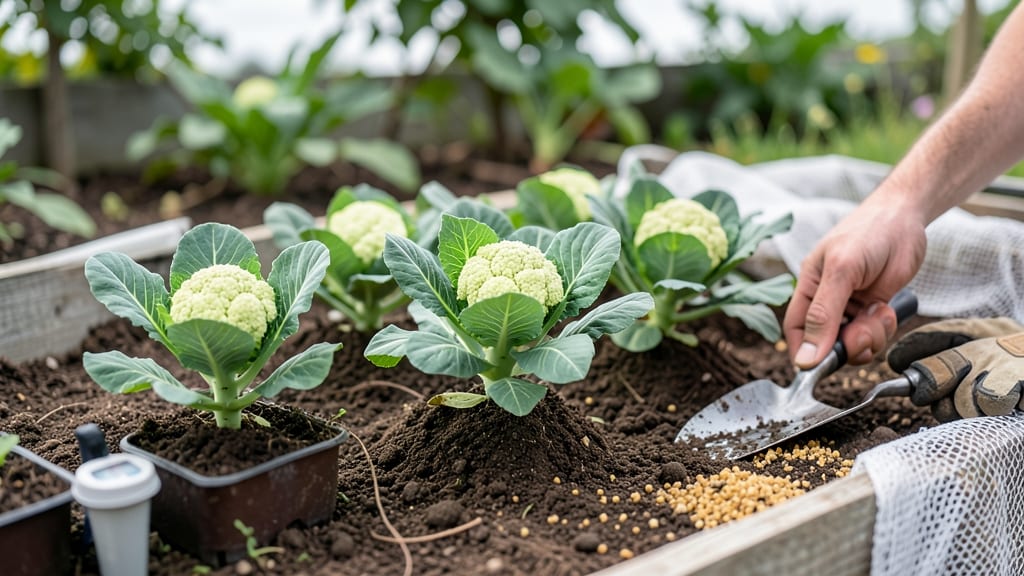
Timing your cauliflower planting in Zone 7 can mean the difference between a bumper harvest and a bitter disappointment—especially when it comes to avoiding that dreaded bolting. If you've ever watched your perfect heads turn into flower spikes before they mature, you know how frustrating it can be.
The secret lies in understanding your local climate and planting at just the right moment.
In Zone 7, where temperatures swing between mild winters and hot summers, spring and fall are your best bets for success. But getting the timing wrong—whether by planting too early or too late—can trigger bolting, leaving you with tough, stringy heads instead of the tender, flavorful 🥬 you crave.
Let me show you exactly when to start seeds indoors or transplant seedlings to maximize your yield.
Spring planting in Zone 7 works best when soil temperatures hover around 50°F, typically around March or early April. Meanwhile, fall planting offers a second chance, with late summer starts (August to early September) allowing you to harvest before the first frost.
The key? Avoiding heat stress and ensuring your plants mature before temperatures drop.
Whether you're a seasoned gardener or just starting out, mastering these timing strategies will help you grow bolt-free cauliflower all season long. Ready to turn your garden into a cauliflower powerhouse? Let's dive into the details.
Optimal cauliflower planting windows in Zone 7 to prevent bolting
In Zone 7, cauliflower thrives when planted during two key windows: early spring and late summer. These timings prevent bolting—the premature flowering that ruins your harvest—by aligning with soil temperatures and daylight changes.
Let’s break down the exact months, soil prep, and frost calculations to plant with confidence.
For spring planting, aim for March to early April—about 4-6 weeks before your last frost date. In Zone 7, that’s typically around April 15.
Soil should reach 40°F (4°C) for seeds or 50°F (10°C) for transplants. If you’re starting seeds indoors, begin in February for early transplants.
Fall planting offers a second chance for harvests. Start seeds indoors in late July to early August, then transplant outdoors in late August to early September.
This gives plants 10-12 weeks to mature before first frost (usually October 15 in Zone 7). Fall crops often produce sweeter, tighter heads with fewer pests.
To calculate your exact dates, check your local frost dates (use the USDA Plant Hardiness Zone Map or a frost calculator). For example, if your last frost is April 20, plant seeds indoors by March 1 or direct-sow by March 15.
For fall, count back 10 weeks from your first frost—if it’s October 20, transplant by August 10.
Pro tip: Use slow-bolting varieties like ‘Snowball Y Improved’ or ‘Purple of Sicily’ for Zone 7. These tolerate warmer temperatures better than standard types. Pair them with companion plants like thyme or dill to deter pests and improve flavor.
After planting, maintain consistent moisture and mulch to keep soil cool. Cauliflower hates dry spells or heat stress, both of which trigger bolting. In Zone 7’s summer heat, provide afternoon shade until heads form.
For container growing, use 5-gallon pots and plant one per container. Containers warm up faster, so monitor soil temps closely—keep them below 85°F (29°C) to prevent bolting. Water containers daily during heatwaves, as they dry out quicker than in-ground soil.
Remember: Timing is your best defense against bolting in Zone 7. By planting in early spring or late summer and using the right varieties, you’ll enjoy crisp, flavorful heads all season long. Start your seeds or transplants today—your future harvest depends on it!
Spring vs fall cauliflower growth: which season wins for zero bolt risk?
In Zone 7, choosing between spring and fall planting can make or break your cauliflower harvest. Spring planting offers cooler temperatures but risks early bolting as heat arrives. Fall planting, however, often delivers better results by avoiding summer heat stress entirely.
Spring-planted cauliflower thrives in Zone 7's mild early season, but by June, temperatures can push 85°F+, triggering bolting. Fall crops, planted in August-September, mature during cooler weather, reducing stress and maximizing head quality.
🔍 Key difference: Spring yields are unpredictable due to heat spikes, while fall harvests are more reliable. For zero bolt risk, fall planting consistently outperforms spring in Zone 7.
| Factor | Spring Planting | Fall Planting |
|---|---|---|
| Planting Window | March-April (4-6 weeks before last frost) | August-September (10-12 weeks before first frost) |
| Growing Conditions | Cool to warm (risk of heat stress) | Warm to cool (ideal temperature range) |
| Harvest Window | May-June (limited timeframe) | October-November (extended harvest) |
| Bolt Risk | High (summer heat) | Low (cooler fall temps) |
| Pest Pressure | Moderate (aphids, cabbage worms) | Lower (cooler weather) |
Spring cauliflower requires constant vigilance against bolting. I recommend shade cloth in late spring to protect plants from afternoon heat. Fall crops, however, need minimal intervention—just consistent watering and mulching.
For maximum yield, I prioritize fall planting in Zone 7. The cooler temperatures and extended harvest window make it the safest bet for crisp, high-quality heads without the stress of summer heat.
🌱 Pro tip: If you must try spring planting, choose early-maturing varieties like 'Snowball Y Improved' (58 days) to harvest before bolting risks peak.