
Plants
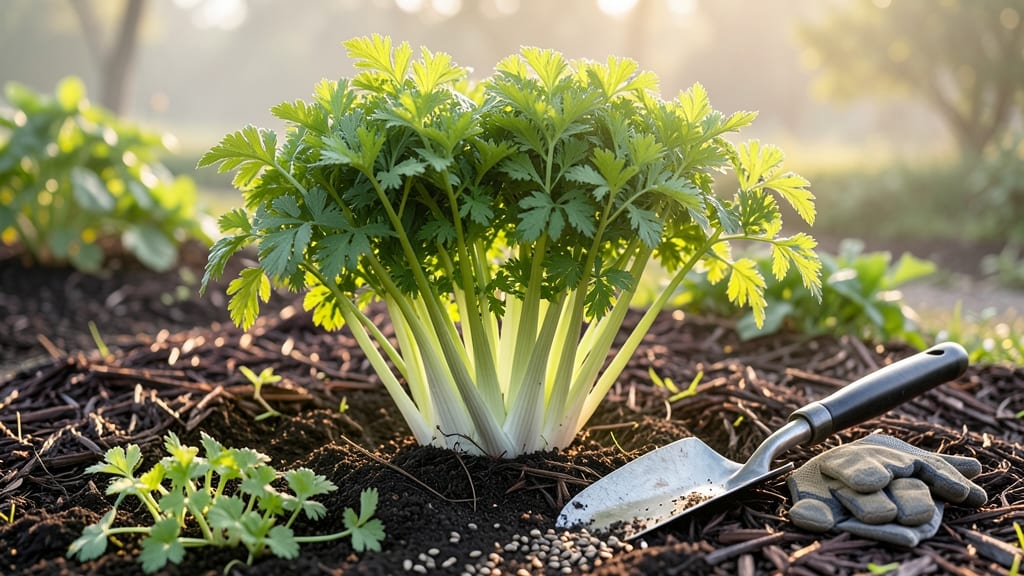
If you’ve ever dreamed of growing crisp, homegrown 🥬 celery in your North Carolina garden, timing is the secret ingredient—plant too soon, and frost will wreck your harvest; too late, and summer heat turns your stalks bitter.
The right window makes all the difference, especially in NC’s 7a-8b zones where mild winters and long summers create a tricky balance.
Most gardeners in North Carolina plant celery in February-March for a spring harvest or August-September for fall, but getting it right depends on your local frost dates and soil warmth. I’ll walk you through the exact schedule to avoid common pitfalls and ensure your celery thrives from seed to stalk.
Why does this matter? Because celery needs cool weather to grow slowly and develop that signature crunch—something NC’s summer heat can easily ruin. With the right timing, you’ll enjoy fresh, flavorful harvests in May-June or October-November, even if you’re new to gardening.
Let’s dive into the best planting windows, soil prep tips, and how to protect your crop from NC’s unpredictable weather. Your perfect celery patch starts here.
Optimal planting dates for celery in North Carolina’s climate zones
North Carolina’s diverse climate zones (USDA 6b-8a) mean your celery planting schedule should vary slightly depending on whether you’re in the Coastal Plain, Piedmont, or Mountains. The key is planting when soil temperatures stay above 50°F but before summer heat triggers bolting.
For most of NC, this means two main windows: late winter/early spring and late summer.
In Zone 7a (Western NC), where last frosts average March 15, start seeds indoors by January 15 for transplanting in early March. Coastal areas (Zone 8a) with later frosts can begin outdoor sowing as early as February 1.
Always check your local NC State Extension frost dates—they’re your planting compass.
| Zone | Last Frost | Indoor Start | Outdoor Planting | Fall Window |
|---|---|---|---|---|
| 6b (Mountains) | March 25 | February 1 | April 15 | August 15-Sept 1 |
| 7a (Piedmont) | March 15 | January 15 | March 1-April 1 | August 1-Sept 15 |
| 8a (Coastal) | February 28 | December 15 | February 15-March 15 | July 15-August 30 |
For direct sowing (skipping the indoor start), wait until soil temps hit 60°F—usually April 1 in inland areas and March 15 near the coast. Use black plastic mulch to warm soil faster if you’re eager to plant early.
Pro tip: Celery thrives in NC’s cooler months, so prioritize spring and fall plantings over summer attempts.
Microclimates matter! Sheltered valleys in the Blue Ridge may stay frost-free longer than exposed Coastal Plain gardens. Test your soil’s moisture retention—celery hates drying out. Amend heavy clay with compost to prevent root rot, a common issue in NC’s Piedmont region.
If you’re transplanting, buy 6-week-old seedlings from local nurseries (like Southern Exposure Seed Exchange) to avoid leggy, weak plants. Harden them off for 7-10 days before setting them out. Space them 12-18 inches apart—celery needs room to grow thick stalks, not compete for nutrients.
For a fall harvest, aim to transplant by August 15 in most zones. This gives your celery 90-120 days to mature before first frost. Use row covers in September to extend the season by 2-3 weeks. Just avoid planting after September 1—summer’s return will stress your plants.
NC’s humidity can trigger fungal diseases like early blight. Choose disease-resistant varieties like ‘Tall Utah’ or ‘Golden Self-Blanching’, which handle NC’s climate better. Always rotate crops—never plant celery where you grew tomatoes or peppers last year.
Remember: Celery is a cool-season crop, so treat it like kale or lettuce, not tomatoes. Too much heat = bolting (flowering). Too little light = leggy, weak stalks. Balance is everything in NC’s variable climate.
Start with small batches (5-10 plants) to test your timing. If your first attempt bolts early, adjust your fall planting date by 2 weeks. With practice, you’ll nail the perfect NC celery harvest—crisp, sweet, and ready for your table.
Optimal planting dates for celery in North Carolina’s climate zones
North Carolina’s USDA zones 7a-8b create a unique challenge for growing 🥬 celery—cool enough for crisp stalks but warm enough to risk bolting. The key is planting when soil temperatures hover between 45°F and 75°F, a narrow window that varies by region.
In the Coastal Plain, you can start as early as late January, while gardeners in the Mountains should wait until mid-March to avoid frost damage.
For most of NC, the ideal planting window is February through March for spring harvests and August through September for fall. However, your exact timing depends on your last frost date—typically late February to early April—and whether you’re direct sowing or transplanting seedlings.
I’ll break down the best approach for each NC microclimate to ensure your celery thrives.
📌 Pro Tip: Use a soil thermometer to confirm readiness—celery roots struggle in cold soil (<45°F), while temperatures above 75°F trigger bolting. In NC’s Piedmont region, this often means waiting until mid-March for spring plantings.
| NC Region | Spring Planting Window | Fall Planting Window | Last Frost Date | Soil Temp Threshold |
|---|---|---|---|---|
| Coastal Plain (Zone 8a) | Late Jan - Early Mar | Aug - Early Sep | Feb 15 - Mar 1 | 45°F - 75°F |
| Piedmont (Zone 7b) | Mid-Feb - Mid-Mar | Late Aug - Mid-Sep | Mar 1 - Mar 15 | 45°F - 75°F |
| Mountains (Zone 6b) | Mid-Mar - Early Apr | Late Aug - Early Sep | Apr 1 - Apr 15 | 45°F - 70°F |
If you’re direct sowing seeds, start 10-12 weeks before your last frost date—this means mid-December to early February for most of NC. However, celery seeds germinate slowly (14-21 days), so I recommend transplanting seedlings instead for faster, more reliable results.
Purchase 6-week-old seedlings from local nurseries and set them out 2-3 weeks after your last frost.
For fall harvests, aim to plant 8-10 weeks before your first frost (typically late August to mid-September). This gives your celery enough time to mature before temperatures dip below 50°F.
In NC’s Coastal Plain, where winters are milder, you might even squeeze in a late fall harvest by planting as late as early October.
Remember, celery hates heat—once temperatures exceed 80°F, growth slows, and stalks become tough and bitter. Use shade cloth or row covers during summer months to protect your plants if you’re pushing the fall planting window.
With the right timing, you’ll enjoy crisp, homegrown celery from May through June and October through November—no store-bought stalks needed!