
Plants
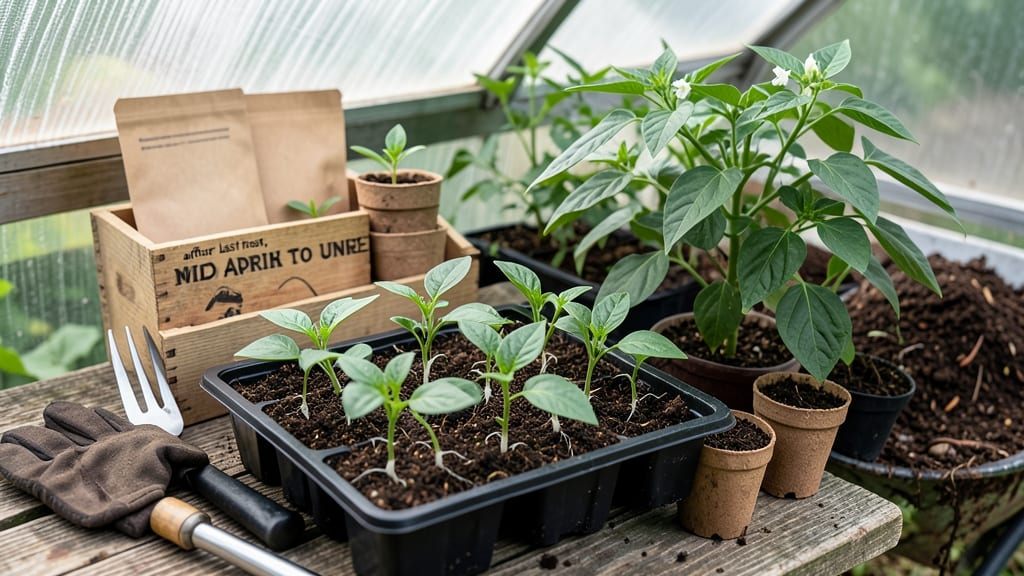
There's nothing quite like the thrill of growing your own fiery 🌱 chillies—but in the UK's unpredictable climate, timing your planting is the key to success. Plant too early, and frost will turn your tender seedlings into sad, mushy memories.
Too late, and you might miss the growing season entirely, leaving you with store-bought peppers instead of homegrown heat.
I’ve spent years perfecting my chilli-growing schedule, and what I’ve learned is that the UK’s diverse climate zones mean there’s no one-size-fits-all answer.
Whether you’re in sunny Southeast England or the cooler Midlands, knowing when to start seeds indoors—and when to move them outside—can mean the difference between a bumper harvest and a disappointing flop.
In this guide, I’ll break down the exact planting windows for your region, from seed sowing to transplanting, so you can avoid common pitfalls and enjoy a season of spicy rewards. Let’s get those chillies growing the right way!
You’ll discover how to adjust for early or late seasons, which varieties thrive in UK conditions, and even how to extend your growing season with simple tricks. Ready to turn your garden into a chilli powerhouse? Let’s dive in.
UK climate zones for chilli planting: which region are you in?
The UK’s varied climate means chilli planting times differ dramatically from Cornwall to Scotland. Chillies thrive in warmth, so your last frost date and soil temperature are critical. Coastal areas like Devon and Sussex enjoy milder winters, while northern regions like Yorkshire or Scotland face earlier frosts.
Understanding your UK hardiness zone (or microclimate) helps you avoid frost damage and maximize your harvest.
Most UK gardeners grow chillies as annuals since they’re frost-sensitive. Even in warmer zones, seedlings need protection until soil temperatures hit 15°C (59°F). The southeast can plant outdoors as early as May, while northern gardens may wait until June or even July.
Let’s break down the key regions and their ideal planting windows.
🌱
If you’re unsure about your last frost date, check the Met Office’s frost risk maps or ask local gardeners. Coastal areas often have 2-4 weeks earlier planting windows than inland spots due to milder nights.
For example, Cornwall’s early April last frost lets gardeners start outdoors by early May, while Scotland’s late May frost means waiting until July for outdoor planting.
Even in warmer zones, chillies need warmth to germinate. If your soil feels cold (below 12°C or 54°F), start seeds indoors under grow lights 8-10 weeks before your target outdoor date. Use a seedling heat mat to keep soil at 21-24°C (70-75°F) for faster germination.
🌡️
For northern or high-altitude gardens, focus on fast-maturing varieties like ‘Apache’ (60 days) or ‘Padron’ (70 days). These can reach maturity before first frosts in September. In southern zones, you can extend harvests into October or November with greenhouse protection or cold frames.
Pro tip: Use a soil thermometer to confirm soil warmth before transplanting. Chillies wilt quickly in cold soil, even if air temperatures are mild. Aim for 15-20°C (59-68°F) at a 5cm (2-inch) depth.
☀️
Once you’ve nailed your planting window, the next step is indoor seed starting and hardening off seedlings. This ensures your chillies are strong enough to handle UK’s unpredictable weather. We’ll cover that in the next section—plus how to adjust timelines if you’re using greenhouses or containers.
Step-by-step UK chilli planting timeline: indoor vs outdoor scheduling
Timing is everything when growing chillies in the UK. Since our climate is unpredictable, I’ve created a foolproof timeline that accounts for indoor starts, hardening off, and outdoor transplanting.
Whether you’re in Southeast England or the Scottish Highlands, this schedule ensures your plants get a head start before the last frost.
Start seeds indoors 8-10 weeks before your last frost date. For most UK regions, this means sowing in early March to mid-April. Use seed trays with well-draining compost and keep them in a warm spot (around 20-25°C) until germination, which typically takes 10-14 days.
Once seedlings have 2-3 true leaves, it’s time to harden them off. This means gradually exposing them to outdoor conditions over 7-10 days.
Start with just an hour outside on a mild day, then increase the time daily. Hardening off prevents shock when you transplant them outdoors.
🌱 Step-by-Step UK Chilli Planting Timeline
- March-April: Start seeds indoors (8-10 weeks before last frost). Use seed trays with compost and keep warm.
- April-May: Harden off seedlings (7-10 days). Gradually increase outdoor exposure.
- Late May-Early June: Transplant outdoors after last frost. Choose a sunny, sheltered spot with well-draining soil.
- June-July: Support plants with stakes or cages as they grow. Keep soil moist and fertilize every 2-3 weeks.
- August-September: Harvest chillies when they reach full color and size. Extend season with cloches or greenhouses if needed.
Transplant your hardened-off seedlings outdoors 2-3 weeks after your last frost date. In the UK, this usually falls between late May and early June.
Choose a sunny, sheltered spot with well-draining soil, as chillies hate soggy roots. Space plants 18-24 inches apart to allow for airflow and growth.
If you’re in a cooler region, like Scotland or Northern Ireland, consider using greenhouses or cold frames to extend your season. Fast-maturing varieties like ‘Apache’ or ‘Padron’ are great choices for these areas, as they can go from seed to harvest in as little as 70-80 days.
Once your chillies are planted, keep the soil consistently moist and fertilize every 2-3 weeks with a balanced fertilizer (e.g., 5-10-10). Prune any yellowing leaves to encourage healthy growth, and watch for pests like aphids or spider mites.
With the right timing and care, you’ll be harvesting spicy chillies by late summer!