
Plants
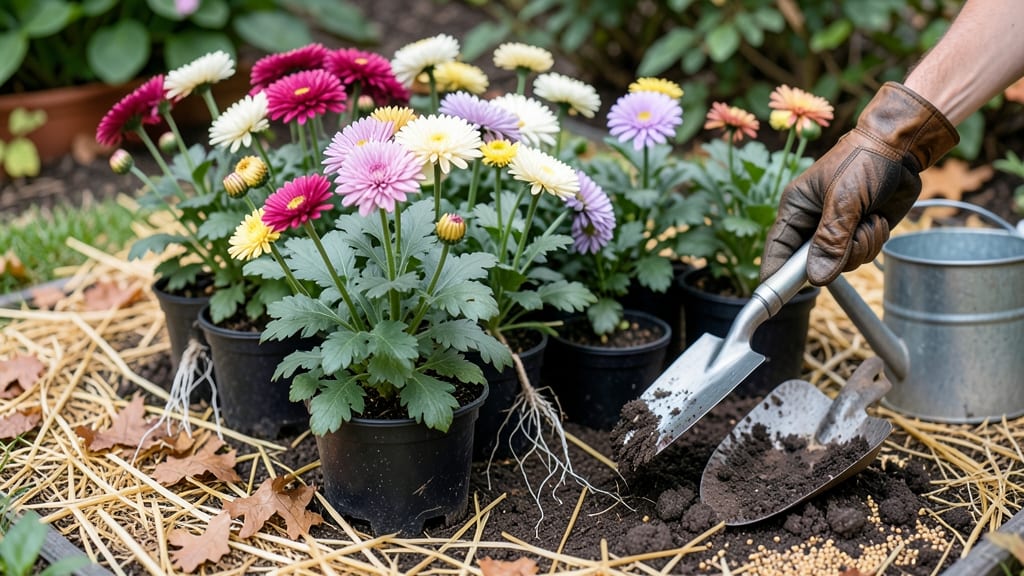
Timing your fall chrysanthemum planting right is the key to show-stopping blooms that last until winter’s first frost. If you plant too early, you’ll end up with leggy, floppy stems that flop before they even bloom.
Too late, and you might miss the chance to enjoy those vibrant 🌼 flowers at all.
Most gardeners in USDA Zone 6a (and similar climates) know the secret: start planting 6-8 weeks before the first frost. That usually lands you in early September, but your exact window depends on your local frost date.
Get it wrong, and you could be left with weak stems or no flowers by harvest time.
Here’s the good news: fall planting isn’t just about timing—it’s also about setting your chrysanthemums up for success the following season. With the right soil prep, spacing, and a few pro tips, you’ll be rewarded with blooms that last from September through October and beyond.
Let’s break down exactly how to nail your planting window for bold, long-lasting flowers.
Whether you’re a seasoned gardener or just starting out, this guide will help you avoid common mistakes and maximize your chrysanthemum’s potential. Ready to transform your garden with vibrant, frost-resistant blooms? Let’s get started.
How to calculate your perfect chrysanthemum planting window by frost date
Planting chrysanthemums in the fall isn't just about picking a random weekend—it's about matching your local frost date to their 6-8 week growth window. The goal? Vibrant blooms that survive until the first frost.
Start by finding your average first frost date using the USDA Plant Hardiness Zone Map (most chrysanthemums thrive in zones 5-9).
For example, if your first frost typically hits October 15th, count backward 6-8 weeks to land on your planting window: August 24th to September 29th. This ensures your chrysanthemums establish roots before winter sets in.
Pro tip: Use your local cooperative extension service for hyper-local frost data—it’s more accurate than generic online tools.
In northern climates (zones 3-5), aim for the earlier end of the window (6 weeks out). Cooler temps slow growth, so you need that extra time. Conversely, in southern zones (7-9), you can push to 5-6 weeks out—warmer soil means faster root establishment.
Always err on the side of earlier planting if you’re unsure.
| USDA Zone | First Frost Date | Ideal Planting Window | Notes |
|---|---|---|---|
| 3-5 (Cold Climates) | October 1-15 | August 15-September 10 | Plant early; cooler soil slows growth. |
| 6-7 (Temperate) | October 15-30 | August 24-September 29 | Standard window; most flexible. |
| 8-9 (Mild Climates) | November 15-December 1 | September 20-October 15 | Can plant later; soil stays warm. |
| 10+ (Tropical) | December 15-January 1 | October 20-November 10 | Plant closer to frost; minimal cold stress. |
Don’t rely solely on frost dates—check your soil temperature too. Chrysanthemums prefer soil that’s at least 60°F (15°C). Use a soil thermometer to confirm. If your soil is cooler, delay planting until it warms up, even if the calendar says it’s time.
Cold soil can stunt root growth, leading to weak stems and poor blooms.
Once you’ve nailed your planting window, prep your garden bed 2-3 weeks ahead. Work in compost or aged manure to enrich the soil, and mix in a slow-release fertilizer (like 5-10-10) to give your chrysanthemums a nutrient boost.
Avoid fresh manure—it can burn roots and delay flowering. A pH of 6.0-7.0 is ideal, so test your soil if you’re unsure.
When the day arrives, plant your chrysanthemums in full sun (6+ hours daily) and space them 18-24 inches apart for dwarf varieties or 24-36 inches for standard types. Dig a hole twice as wide as the root ball but only as deep—planting too deep can suffocate the roots.
Water deeply after planting to settle the soil and remove any air pockets.
After planting, mulch around the base with 2-3 inches of organic mulch (like straw or shredded leaves) to retain moisture and regulate soil temperature. This is especially critical in dry climates or during hot fall days.
Mulch also suppresses weeds, reducing competition for nutrients. Just keep it 2 inches away from the stems to prevent rot.
Finally, monitor your chrysanthemums for early signs of stress, like yellowing leaves or drooping stems. These can signal overwatering, underwatering, or even pests like aphids. Address issues quickly—chrysanthemums are resilient, but they need consistent care to reward you with those show-stopping fall blooms. 🌼
How to calculate your perfect chrysanthemum planting window by frost date
Finding your ideal chrysanthemum planting window starts with knowing your local frost date. Most gardeners aim to plant 6-8 weeks before the first frost, but this varies by USDA zone and region.
For example, in Zone 6a, that’s typically early to mid-September, while in Zone 8b, you might extend it to late October.
Use the National Weather Service or local gardening extensions to find your average first frost date. Then, work backward 6-8 weeks to pinpoint your planting window. Pro tip: Northern climates should plant on the earlier side (6 weeks), while southern regions can stretch to 8 weeks for extended blooms.
| Zone | First Frost | Planting Window | Notes |
|---|---|---|---|
| Zone 3-4 | Mid-September | Late July - Early August | Short growing season; prioritize hardy varieties |
| Zone 5-6 | Mid-October | Early to Mid-September | Classic window for vibrant fall blooms |
| Zone 7-8 | td style="padding: 8px;">Late NovemberLate September - October | Extend blooms with late varieties | |
| Zone 9-10 | Early December | October - November | Plant for winter color; use mulch |
Adjust your timing based on microclimates—low-lying areas frost earlier, while slopes and urban zones stay warmer. If you’re unsure, err on the earlier side; chrysanthemums planted too late may not bloom before frost. For container gardeners, add 1-2 weeks to your window since pots cool faster.
Once you’ve nailed your frost date, prep your soil 2 weeks ahead. Chrysanthemums thrive in well-draining, slightly acidic soil (pH 6.0-6.5). Mix in compost or aged manure to boost nutrients, and avoid fresh organic matter, which can cause leggy growth.
A slow-release fertilizer (like 5-10-10) applied at planting time gives roots a nutrient boost.
After planting, mulch heavily (3-4 inches) to insulate roots and retain moisture. This is especially critical in dry climates or early fall, where soil can still dry out.
Mulch also prevents soil-borne diseases by keeping foliage off the ground. For extended blooms, deadhead spent flowers regularly—this encourages new buds to form until the first hard frost.
Remember, chrysanthemums planted in fall reward you with next year’s blooms too! The roots establish deeply over winter, giving you a head start in spring. With the right timing and care, your garden will burst with 🌼 color from September through frost.