
Trees
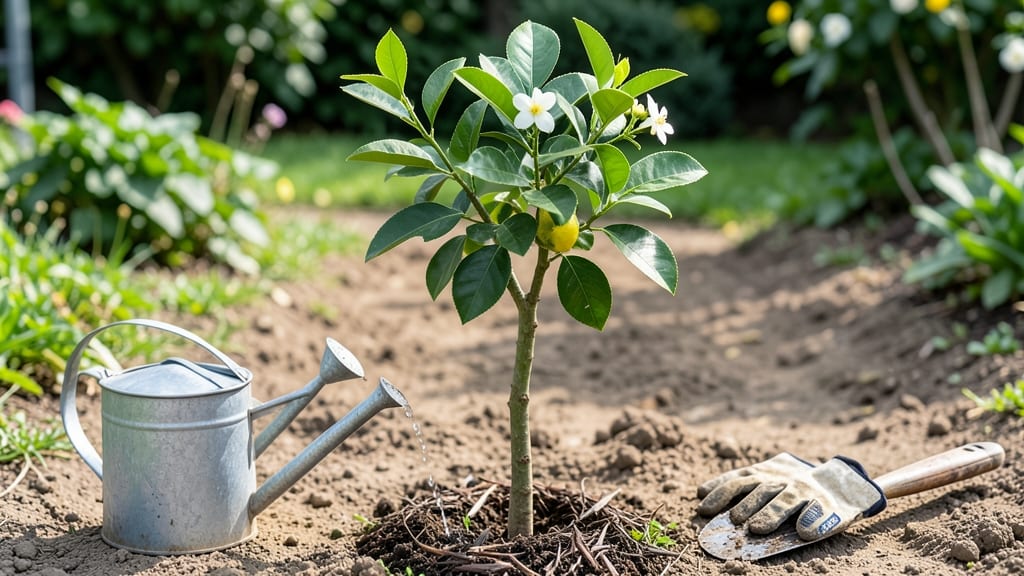
Planting a 🍊 citrus tree in Louisiana at the wrong time can turn your dream grove into a sad, stunted mess—trust me, I’ve seen it happen.
The key isn’t just when you plant, but how you sync it with Louisiana’s infamous heat zones and frost quirks to give your tree the fighting chance it deserves.
Most gardeners assume spring is the only safe bet, but Louisiana’s 8a-9b climate actually offers two prime windows: late winter (February-March) and fall (October-November). Why? Because citrus trees hate surprises like sudden freezes or scorching summer heat—both of which can shock young roots if you’re not careful.
Here’s the game-changer: Fall planting (especially October) gives your tree time to establish roots before winter’s mild chill, while spring planting must wait until after February 15th—the average last frost date.
I’ll break down exactly how to prep your soil, pick the right varieties for your region, and avoid the pests that love Louisiana’s humidity.
Ready to grow a citrus tree that thrives year-round? Let’s get your planting timeline dialed in so you’re not guessing—because in Louisiana, timing isn’t just a suggestion, it’s survival.
Best planting months for citrus trees in Louisiana’s heat zones 8-10
Louisiana’s humid subtropical climate makes it a citrus lover’s paradise, but timing your planting is critical. The USDA heat zones 8-10 span from northern Louisiana’s cooler pockets (like Shreveport) to southern regions (like New Orleans), where frost risk varies dramatically.
Planting outside these windows can stress young trees, inviting root rot or fungal diseases—so let’s pinpoint the perfect months for your location.
For Zone 8a/8b (northern LA), aim for late March to early April after the last frost date. In Zone 9a/9b (central/southern LA), October to November is ideal—cooler temps help roots establish before summer’s heat. Zone 10a (southernmost areas) can plant year-round, but fall remains best to avoid summer’s intense humidity.
Soil temperature is just as critical as air temperature. Citrus roots thrive when soil reaches 65°F+. In Louisiana, this typically aligns with mid-March in the north and early October in the south. Use a soil thermometer to confirm—planting too early in cold soil can stunt growth.
Microclimates matter! New Orleans’ coastal influence keeps winters milder, while Shreveport’s inland location faces harder frosts. Urban areas like Baton Rouge may experience heat islands, where planting in late fall helps trees beat summer’s peak heat stress.
🌱 Pro Tip: If you’re in Zone 8a, consider container planting for flexibility—you can move potted citrus indoors during rare freezes (below 28°F).
Avoid planting in summer (June–August) unless you’re in Zone 10a. The oppressive heat and humidity can shock young roots, while hurricane season (June–November) risks damaging exposed trees. Even in ideal zones, late summer planting requires extra mulch and shade cloth to protect tender foliage.
For container-grown citrus, timing shifts slightly. Potted trees can go in grounds anytime, but fall planting still offers the best root establishment. Just ensure your container has drainage holes—Louisiana’s heavy clay soils can suffocate roots if not amended properly.
🌿 Warning: If you’re in Zone 8a/8b, don’t rush! Planting before March 15th risks frost damage to new growth. Check your local Louisiana Cooperative Extension Service for last frost dates—their data is updated annually for precise timing.
Once you’ve nailed the planting window, the next step is soil prep. Louisiana’s acidic, clay-heavy soils need amendments to mimic citrus’s native well-draining, slightly acidic conditions.
We’ll cover that in the next section—stay tuned for pro tips to set your citrus up for years of bountiful harvests!
Best planting months for citrus trees in Louisiana’s heat zones 8-10
Louisiana’s humid subtropical climate creates ideal conditions for citrus trees, but timing your planting is critical. The best window spans from late winter to early spring (February-March) or fall (October-November), aligning with soil warming and frost-free periods.
In USDA Zones 8-10, these months minimize stress while maximizing root establishment before summer heat.
For Zone 8a (north Louisiana), aim for March-April planting to avoid late frosts that can damage young trees. Zone 10a (southern Louisiana) offers more flexibility—planting in September-October lets roots establish before winter rains.
Microclimates matter too: New Orleans’s coastal warmth extends the fall window, while Shreveport’s inland chill demands earlier spring planting.
| Zone | Best Planting Window | Soil Temp Threshold | Key Consideration |
|---|---|---|---|
| 8a (e.g., Monroe) | March 15 - April 15 | 60°F+ (15°C) | Avoid late frosts (avg. last frost: Feb 15) |
| 8b (e.g., Alexandria) | February 28 - April 1 | 55°F+ (13°C) | Container planting extends window |
| 9a (e.g., Baton Rouge) | September 1 - November 15 | 65°F+ (18°C) | Fall rains require raised beds |
| 9b (e.g., Lafayette) | October 1 - December 1 | 60°F+ (15°C) | Winter dormancy starts Dec 1 |
| 10a (e.g., New Orleans) | September 15 - November 30 | 70°F+ (21°C) | Hurricane season ends Oct 30 |
Soil temperature is your most reliable gauge—citrus roots need consistent warmth above 60°F (15°C) to thrive.
Use a soil thermometer to confirm readiness, especially in Zone 8a where cooler soils delay growth. Fall planting in Zones 9-10 benefits from Louisiana’s mild winters, giving trees time to establish before summer’s peak heat.
Urban gardeners in New Orleans or Shreveport can push boundaries with container planting, which warms faster in spring. Choose 5-gallon pots minimum for dwarf varieties like Meyer lemon, and use black plastic pots to absorb sunlight and accelerate soil warming by 5-10°F compared to standard containers.
Watch for citrus greening disease, a regional threat spread by Asian citrus psyllids. Planting in early fall (September) gives trees a head start against pests before psyllid populations peak in spring. Always source certified disease-free trees from Louisiana nurseries like Brenzel’s Nursery or Lake Charles Citrus.
After planting, mulch heavily with pine bark to maintain soil moisture and temperatures. In Zone 8a, add a frost cloth for young trees until April 15—even a 28°F (-2°C) dip can damage tender new growth.
With the right timing, your citrus will reward you with year-round harvests in just 2-3 years.