
Plants
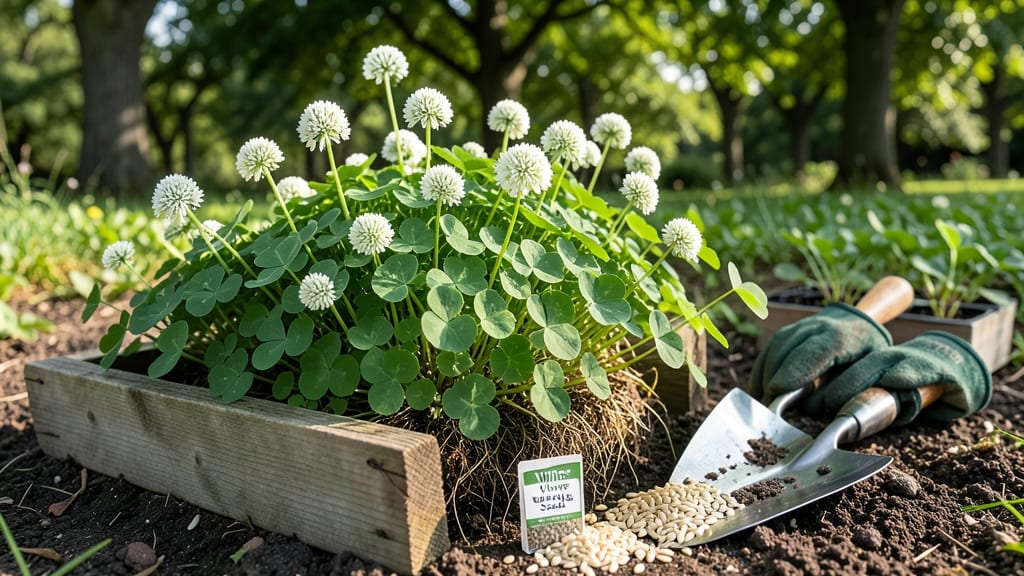
Timing your clover planting in Massachusetts can make all the difference between a thriving green lawn and a patchy disappointment. The right window—whether early spring or fall—depends on your hardiness zone and local frost dates, but getting it wrong means wasted seeds and missed benefits.
I’ve seen firsthand how a few weeks’ difference can transform a 🌱 clover patch from struggling to flourishing. Whether you’re planting for nitrogen-rich soil, a pollinator-friendly lawn, or a cover crop, knowing when to start is the key to success.
Let’s break down the best months for your zone and how to prep your soil for maximum growth.
Massachusetts spans zones 5b through 7a, meaning coastal areas and inland regions have different frost risks. For most gardeners, the sweet spot is March-April for spring or September-October for fall—but there’s more to it than just dates.
We’ll cover soil prep, seed depth, and even how to handle microclimates like Boston’s coastal breezes or the Berkshires’ cooler nights.
By the end, you’ll know exactly when to plant clover in your yard, how to avoid common mistakes, and what to expect in terms of growth and maintenance. Ready to grow a lush, low-maintenance lawn that benefits both your garden and the planet?
Best months to plant clover in Massachusetts by hardiness zone
Massachusetts spans USDA hardiness zones 5b through 7a, meaning frost dates vary dramatically from coastal zone 6b to inland zone 5b. For clover to thrive, you’ll need to align planting with your specific zone’s last spring frost and first fall frost.
Coastal areas like Cape Cod typically see frost-free windows 10-14 days earlier than inland regions like Worcester or Springfield.
Clover is a cool-season plant, so it establishes best when soil temps hover between 45°F and 65°F. Planting too early risks frost damage, while waiting too late may result in stunted growth before winter.
My go-to rule? Aim for 4-6 weeks before your zone’s first frost in fall or 2-3 weeks after your last frost in spring.
Here’s the breakdown for Massachusetts zones 5b-7a, including ideal planting windows and soil prep tips to maximize survival rates:
| Zone | Last Frost Date | First Frost Date | Spring Planting Window | Fall Planting Window | Soil Prep Tip |
|---|---|---|---|---|---|
| 5b (Western MA) | April 20 | October 20 | April 25–May 15 | September 1–15 | Add compost to improve drainage |
| 6a (Central MA) | April 15 | October 15 | April 20–May 10 | September 10–25 | Test pH (ideal: 6.0–7.0) |
| 6b (Eastern MA) | April 10 | October 10 | April 15–May 5 | September 5–20 | Mulch after planting |
| 7a (Coastal MA) | March 25 | October 5 | March 30–April 15 | August 25–September 10 | Aerate compacted soil |
Spring planting gives clover 60–90 days of growth before summer heat slows it down. For a lush fall lawn, focus on late summer/early fall (August–September) to let roots establish before winter.
Pro tip: In zone 7a, you can even plant clover as late as early October—just cover seeds with straw if frost threatens.
For coastal gardeners, take advantage of the longer frost-free window by planting Dutch white clover in late February for an early spring bloom. Inland zones should prioritize red clover or crimson clover, which handle cooler soils better. Always water seeds lightly after planting to ensure soil-to-seed contact.
If you’re planting clover as a cover crop, aim for early September to maximize nitrogen fixation before winter. For lawn mixes, split your planting: half in spring and half in fall for year-round greenery.
Just remember—overseeding in late summer (August) works best for warm-season lawns like Kentucky bluegrass.
One final tip: If your soil feels too cold when planting in spring, wait another week. Use a soil thermometer to check—50°F+ is ideal for germination. And if you’re in zone 5b, consider a lightweight row cover for early spring plantings to shield seedlings from late frosts.
With the right timing, your clover will b
Best months to plant clover in Massachusetts by hardiness zone
Massachusetts spans USDA zones 5b through 7a, which means your exact planting window depends on whether you're in coastal Boston, the Worcester hills, or the Berkshires.
For most gardeners, the ideal windows are March-April for spring and September-October for fall, but let’s break it down by zone to avoid frost surprises.
In zone 5b (e.g., western MA), aim for late April to early May in spring—after the last frost, which typically hits around April 15. For fall, plant by mid-September to give roots time to establish before the first frost (October 15).
In zone 6a (e.g., central MA), you’ve got a slightly longer window: March 20-April 15 in spring and September 15-October 1 for fall.
Coastal areas like zone 7a (e.g., Cape Cod) enjoy milder winters, so you can plant as early as February 15 in spring or as late as early November in fall.
The key is avoiding frost risks—clover seeds won’t germinate below 40°F, and young seedlings can’t survive below 28°F.
🌱 Massachusetts Clover Planting Schedule by Zone
| Zone | Spring Planting | Fall Planting | Soil Prep Tip |
|---|---|---|---|
| 5b (Western MA) | Late April–Early May | Mid-Sept–Early Oct | Add compost to cold soil |
| 6a (Central MA) | March 20–April 15 | Sept 15–Oct 1 | Test pH (6.0–7.0) |
| 7a (Coastal MA) | Feb 15–March 30 | Sept 1–Nov 1 | Mulch after planting |
For spring planting, I recommend waiting until the soil warms to 50°F—use your finger to check: if it feels cool but not freezing, it’s ready. In fall, plant 4–6 weeks before frost to allow roots to establish before winter.
If you’re in doubt, late September is a safe bet for most of MA.
Microclimates matter! If you’re in a valley or near a large body of water, you might have 2–3 extra weeks of growing time.
For example, Boston’s coastal zone can support clover into late October, while inland areas like the Pioneer Valley may need to wrap up by early October.
Pro tip: If you’re planting clover as a cover crop (to fix nitrogen), aim for late summer (August) so it has time to grow before winter. For lawn mixes, spring planting gives you the best establishment before summer heat sets in. 🌿