
Plants
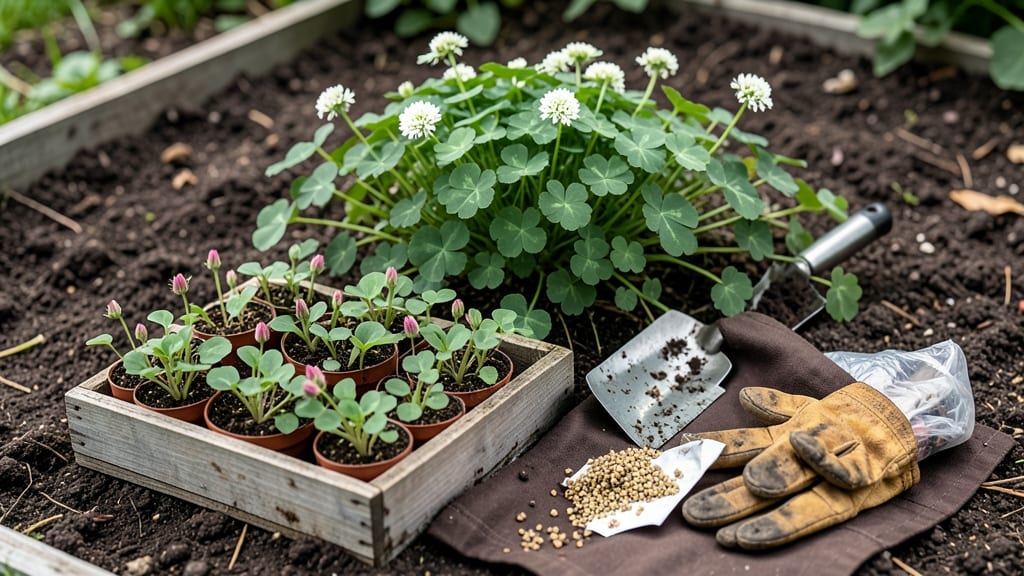
Timing your clover planting in Washington State isn't just about picking a month—it's about reading your region's hidden clues, from soil moisture to frost dates that shift dramatically between Western and Eastern WA.
Picture this: you've prepped your soil, chosen the right 🌱 clover variety, but if you plant too early in Eastern WA's Zone 5b or too late in Western WA's Zone 8b, you'll end up with patchy growth—or worse, a failed crop.
The key lies in understanding when your specific microclimate wakes up from winter and when it starts winding down.
In this guide, I'll break down exactly when to plant—whether you're in rainy Western WA where spring arrives early or in drier Eastern WA where frost lingers longer.
You'll learn how to time your planting for maximum success, whether you're going for that lush spring cover or a hardy fall establishment.
We'll also cover the soil secrets that make Washington clover thrive, from adjusting pH levels to handling our unique rainfall patterns.
By the end, you'll have a clear planting schedule tailored to your exact corner of the state—because in Washington, one size definitely doesn't fit all when it comes to growing clover.
Optimal planting months for clover in Washington’s 3 key zones
Washington State’s three distinct microclimates—Western, Eastern, and High-Desert regions—each demand a tailored approach to planting clover. The last frost dates vary dramatically: Western WA typically sees its final frost around March 15, while Eastern WA holds onto cold snaps until May 1.
Understanding these differences ensures your clover thrives year-round.
For Western Washington (USDA Zones 7b-8b), the ideal planting window stretches from early March to mid-April. This region’s mild winters and high rainfall create perfect conditions for early spring growth.
If you prefer fall planting, aim for September to early October, allowing roots to establish before winter rains set in.
Eastern Washington (Zones 5b-6b) has a shorter growing season, so timing is critical. Plant in late April to early May after the last frost, or opt for fall planting in August to avoid early frosts that can damage tender seedlings. The High-Desert region (Zone 6) benefits from spring planting in April when soil temperatures rise, but avoid fall planting due to sudden cold snaps.
Soil preparation varies by zone too. Western WA’s clay-heavy soils need compost to improve drainage, while Eastern WA’s alkaline soils require sulfur or peat moss to lower pH. Test your soil’s pH (ideal: 6.0–7.0) before planting—this step alone can double your clover’s success rate.
🌱
| Region | USDA Zone | Spring Planting | Fall Planting | Key Soil Prep |
|---|---|---|---|---|
| Western WA | 7b-8b | March–April | September–October | Add compost to clay |
| Eastern WA | 5b-6b | Late April–May | August | Lower pH with sulfur |
| High-Desert | 6 | April | Avoid (risk of frost) | Mulch to retain moisture |
Choosing the right clover variety also impacts timing. White Dutch clover, a fast-growing option, thrives in Western WA’s moist conditions and can be planted as early as February in milder microclimates.
Meanwhile, red subterranean clover prefers Eastern WA’s drier soils and should wait until late April to avoid frost damage.
After planting, water deeply to encourage root growth. In Western WA, weekly watering suffices thanks to natural rainfall, while Eastern WA may need bi-weekly irrigation during dry spells. Mulching with straw helps retain moisture and suppresses weeds, giving your clover a competitive edge.
Monitor for pests like clover leaf weevils, common in WA’s humid zones. Early planting gives clover a head start, making it more resilient to infestations. If you notice yellowing leaves or chewed foliage, treat with neem oil or introduce beneficial insects like ladybugs.
🌿
Signs your Washington soil is ready for clover (and how to fix common issues)
Before planting clover in Washington State, your soil must meet three key requirements: the right pH balance, proper drainage, and adequate organic matter.
Western WA’s clay-heavy soils often compact, while Eastern WA’s alkaline soils can stunt growth. Testing these factors ensures your clover thrives from the start.
Start by checking your soil pH—clover prefers a range of 6.0 to 7.0. Use a simple home test kit or send a sample to your local WA State University Extension office.
If your soil is too acidic (below 6.0), add lime in fall; if it’s alkaline (above 7.0), mix in sulfur or peat moss.