
Plants
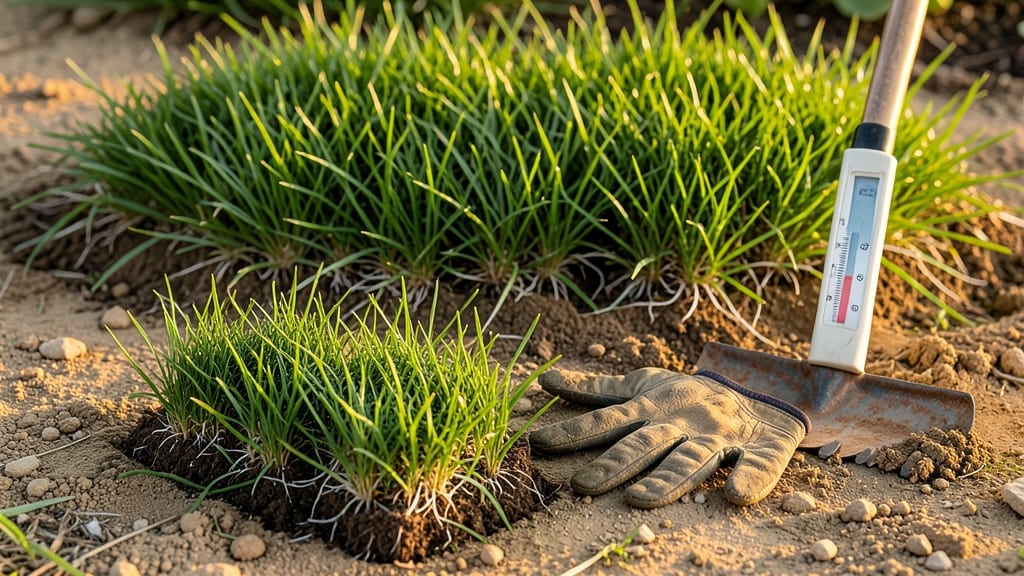
If you're a Texas rancher or farmer, when to plant the coastal hay in Texas could mean the difference between a thriving drought-resistant pasture and wasted seed. This heat-loving grass excels in 9a-10a zones, but timing between late February and September is critical for success.
Most gardeners in the Coastal Region focus on spring planting, but fall offers an equally productive window. The key lies in your microclimate—coastal areas stay warmer longer, while inland zones may need earlier starts. I'll break down the exact planting schedule to match your location's frost patterns and soil temperatures.
You'll discover how to avoid summer dormancy pitfalls and maximize yields with zero frost risk. Whether you're establishing new pastures or refreshing existing ones, these insights will help you plan for consistent forage year-round. Let's get your 🌱 Coastal Bermudagrass off to the best possible start.
From soil prep to post-planting care, I'll cover everything you need to know to make your Coastal hay planting season as productive as possible. Ready to transform your property into a high-yield forage operation? Let's dive in.
Optimal Coastal hay planting windows in Texas regions (with heat zone maps)
Texas’ heat zones dictate the best time to plant Coastal Bermudagrass—whether you’re in North Texas or the Gulf Coast. The key is planting when soil temperatures hit 70°F+ and avoiding frost risk.
In North Texas (Zones 7b-8a), aim for late April to early May to escape late frosts, while South Texas (Zones 9a-10a) can start as early as February with minimal frost threat.
For fall plantings, August to early September is ideal across all regions. This gives seedlings time to establish roots before winter dormancy.
Coastal Bermudagrass thrives in Texas’ long growing season, but planting too early risks seed rot from cool, wet soils, while late plantings miss peak growth windows.
Here’s how Texas’ three heat zones break down for optimal planting:
| Texas Heat Zone | Spring Planting Window | Fall Planting Window | Soil Temp Requirement | Key Risk |
|---|---|---|---|---|
| North Texas (Zones 7b-8a) | Late April–Early May | August–Early September | 70°F+ | Late frost damage |
| Central Texas (Zones 8a-8b) | Early March–Late April | Late July–Mid-September | 68°F+ | Summer dormancy |
| South Texas (Zones 9a-10a) | February–Early April | August–Early October | 65°F+ | None (frost-free) |
Use a soil thermometer to confirm temperatures before planting. Bury it 4 inches deep in full sun for accurate readings. In North Texas, wait until May 10 to avoid late frost (average last frost: March 15).
For South Texas, February plantings are safe since frost is rare.
Pro tip: In Central Texas, aim for late March to balance soil warmth and rainfall. Use a rain gauge to track moisture—1–1.5 inches per week keeps seeds from drying out. Overwatering here can cause seed rot, so monitor closely.
For fall plantings, prioritize August in North Texas and September in South Texas. This timing ensures seedlings establish roots before cooler temps slow growth. Avoid planting after September 15—cooler soils delay germination.
Texas’ variable rainfall adds complexity. In dry years, irrigate newly planted areas with drip lines to maintain consistent moisture. In wet years, ensure good drainage to prevent waterlogged soil, which suffocates roots. A well-prepped seedbed with 1–2 inches of compost improves drainage and nutrient uptake.
Once planted, Coastal Bermudagrass spreads aggressively, crowding out weeds. Mow at 3–4 inches tall in the first year to encourage root depth. By year two, you’ll see dense stands ready for year-round grazing.
The key? Timing—plant at the right window, and your hay field will outperform any other Texas forage.
🌱
Coastal hay planting mistakes that waste seed (and how to fix them)
Planting Coastal Bermuda grass at the wrong time or with poor prep can slash your germination rates by 40%. Even experienced ranchers in Texas fall into these traps—like seeding too early when soil temps are still cool or skipping soil tests.
Let’s fix these mistakes before they cost you forage.
Your first mistake might be planting before soil reaches 65°F. Seedlings rot in cold, wet soil, and you’ll waste seed. Use a soil thermometer to confirm temps before seeding. If it’s below 65°F, wait—even if it’s March. Patience here saves money.
Another common blunder is skipping soil prep. Coastal hay needs loose, well-draining soil to spread roots. Till or aerate 6–8 inches deep and remove weeds. If your soil is compacted or full of rocks, amend with compost or sand to improve drainage.
Overwatering or underwatering also kills seedlings. New grass needs 1–1.5 inches of water weekly, but too much suffocates roots. Water deeply in the morning (6–9 AM) to reduce evaporation and fungal risk. Avoid evening watering—it invites disease.
Here’s the fix: Check your soil moisture by hand. If the top 2 inches are dry, water; if soggy, wait. A drip irrigation system keeps moisture consistent without drowning seedlings.
Don’t forget fertilizer timing. Applying nitrogen too early burns tender seedlings. Wait until 4–6 weeks after germination to feed with a 16-4-8 NPK blend. Over-fertilizing now just wastes nutrients and attracts pests.
⚠️ Top 3 Seed-Wasting Mistakes
- Planting too early: Soil <65°F = seed rot
- Skipping soil prep: Compacted soil = poor root growth
- Inconsistent watering: Drought or flood = seed failure
Fix these, and your Coastal hay stands a 90%+ chance of thriving.
Finally, weed competition steals nutrients from seedlings. Apply a pre-emergent herbicide like pendimethalin 2 weeks before planting, then spot-treat weeds as they appear. Mulch with straw to block light from weed seeds.
By avoiding these mistakes, your Coastal hay will establish faster, yield more, and require less maintenance. Now you’re ready to plant with confidence—no wasted seed in sight! 🌱