
Plants
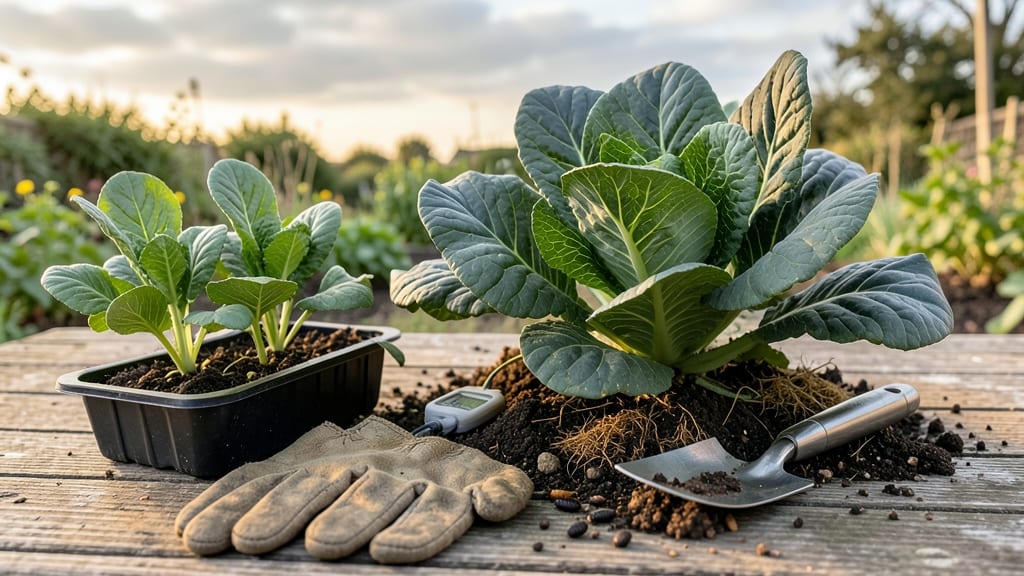
Timing your Collard Greens planting in South Carolina (SC) can mean the difference between a fast, flavorful harvest and bitter-tasting leaves that struggle to thrive.
These hardy greens 🥬 love the state’s mild winters, but getting them in the ground at the wrong time—like planting too early—can leave them vulnerable to frost damage or stunted growth.
If you’ve ever wondered why some gardeners pull in bountiful collards while others end up with scraggly plants, the answer lies in understanding SC’s unique frost-free window.
The key is planting late February to early March for spring and August to September for fall, aligning with the region’s 7b-8b USDA zone and avoiding those pesky early freezes.
What makes collards so special for SC gardeners? Unlike heat-sensitive veggies, they thrive in cooler months, making them a perfect fit for extending your harvest well into winter. With the right timing, you could be enjoying fresh greens from May through November—no greenhouses required!
In this guide, I’ll break down the exact planting schedule for your area, share pro tips for soil prep, and even reveal how to protect your plants from frost so you can keep harvesting long after most gardens call it quits. Let’s get those collards growing the right way!
South Carolina’s ideal collard green planting dates by region
South Carolina’s varied climate means collard greens thrive differently across regions—whether you’re in the cool Upstate, moderate Midlands, or warmer Coastal Plain. Timing your plantings to avoid late frosts (Upstate) or summer heat stress (Coastal) is key.
Let’s break down the optimal planting windows for each zone to ensure fast, flavorful growth.
In the Upstate (USDA Zone 7b), where frosts linger until mid-March, aim to plant collard greens between late February and early March for spring harvests. For fall, start seeds August 15–September 15 to beat the first frost in mid-November.
The Midlands (Zone 8a) offers a 6-week longer frost-free window, so you can plant February 15–March 15 for spring and August 1–September 10 for fall.
The Coastal Plain (Zone 8b) has the most forgiving climate, with no frost risk after February 1. Here, you can plant collard greens as early as January 15 for spring or stretch fall plantings until September 30.
However, summer heat (above 90°F) can make leaves bitter, so avoid planting in June or July.
| Region | USDA Zone | Spring Planting | Fall Planting | Last Frost | First Frost |
|---|---|---|---|---|---|
| Upstate | 7b | Late Feb–Early Mar | Aug 15–Sep 15 | Mid-March | Mid-Nov |
| Midlands | 8a | Feb 15–Mar 15 | Aug 1–Sep 10 | Early March | Late Oct |
| Coastal Plain | 8b | Jan 15–Feb 15 | Aug 1–Sep 30 | Early Feb | Early Nov |
For direct sowing, use cold-hardy varieties like ‘Georgia Southern’ or ‘Vates’, which tolerate light frosts down to 20°F. If you prefer transplants, buy 6-week-old seedlings from local nurseries and set them out 2–3 weeks after your region’s last frost date.
This gives roots time to establish before hot summer temperatures arrive.
Pro tip: Succession plant every 2–3 weeks in spring and fall to ensure a continuous harvest. In the Upstate, this means staggering plantings from late February through April, while Coastal gardeners can extend fall plantings into early October for a winter harvest before frosts set in.
Always check your local Cooperative Extension Service for year-specific frost dates, as La Niña or El Niño years can shift averages by 1–2 weeks. For example, the 2023 Upstate frost came 2 weeks later than usual, delaying spring plantings by 10–14 days.
Once planted, mulch heavily with straw or leaves to protect roots from temperature swings. In Coastal SC, where humidity is high, add a 2-inch layer of pine straw to prevent soil-borne diseases like downy mildew, which thrives in warm, damp conditions.
Remember: Collard greens are biennials, meaning they’ll often overwinter in SC’s mild climate and produce even
How to extend your collard green harvest season in SC
If you love fresh collard greens year-round, SC’s mild winters give you a golden opportunity. Unlike many vegetables, collards actually prefer cooler weather—they grow sweeter when temperatures drop! The trick is knowing how to protect your plants and choose the right varieties for late-season success.
Most gardeners focus on spring planting, but fall and early winter harvests can be just as rewarding. By using simple strategies like row covers and succession planting, you can extend your harvest well past the first frost (mid-November in most of SC).
This means fresh greens on your table when other gardens are winding down!
Here are my top strategies for keeping your collards thriving through SC’s cooler months:
Don’t forget that collards can also be overwintered in SC! If you live in Zone 7b-8a (like much of the Midlands), your plants may survive the winter with minimal protection. Just add a thick layer of mulch and a cloche or cold frame for extra insulation during hard freezes.
One of my favorite tricks is to plant a second crop in late summer (around August 15th) for a fall harvest. These plants mature just in time for Thanksgiving dinner, and their leaves often taste sweeter after a light frost.
Plus, they’ll keep producing until the ground freezes—sometimes even through December in sheltered spots!
For the ultimate harvest extension, try container growing. Collards thrive in 5-gallon pots and can be moved to a garage or covered porch during extreme cold. Just ensure they get 6+ hours of sunlight daily, even in winter.