
Plants
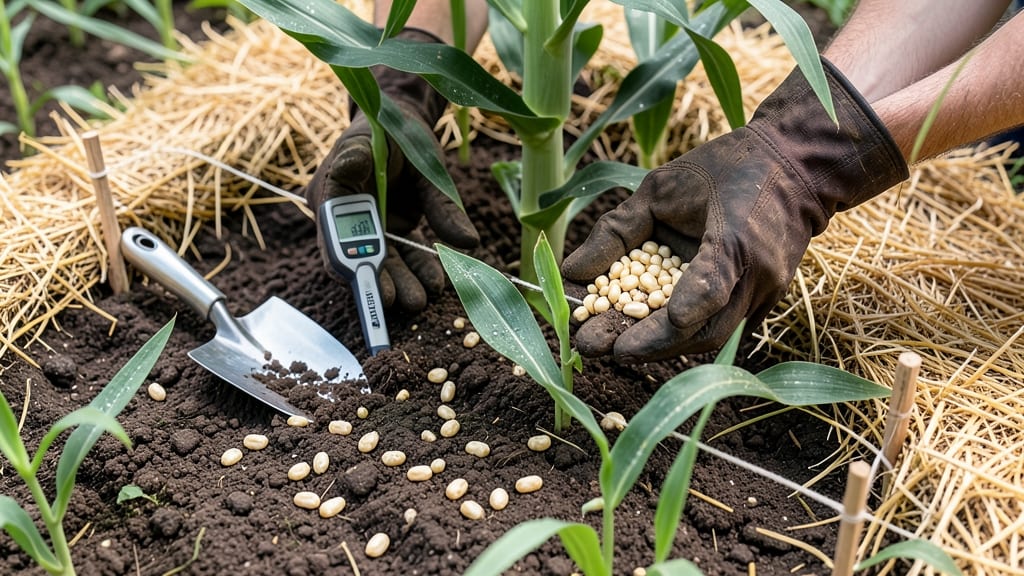
Timing your 🌽 corn planting in Connecticut isn’t just about following a calendar—it’s about outsmarting Zone 6a’s unpredictable spring weather. Plant too early, and frost will turn your tender seedlings into sad, blackened memories. Wait too long, and you’ll miss the sweet spot for a bountiful harvest by early October.
I’ve learned the hard way that Connecticut’s mid-April to late May window isn’t just a suggestion—it’s a survival guide for your corn crop. The key? Waiting until soil temperatures hit 60°F and the last frost (usually around May 15) has passed.
But here’s the twist: coastal areas like New Haven play by different rules than inland Hartford, where heat builds faster.
In this guide, I’ll break down the exact frost-free timeline for sweet, field, and popcorn varieties, plus how to adjust for Connecticut’s microclimates. You’ll discover how to spot planting mistakes before they ruin your crop—and when to pull out the mulch to give your soil a warm hug.
Whether you’re a first-time gardener or a veteran grower, these strategies will help you grow corn that’s taller than your fence and sweeter than a summer picnic. Let’s get your 🌽 corn off to the best possible start.
Optimal corn planting dates in Connecticut’s Zone 6: exact timeline by variety
Connecticut’s Zone 6 climate means corn thrives between May 15 and June 15, but timing varies by variety. Sweet corn, the most popular choice, needs 75-90 days to mature—plant too early and risk frost damage, too late and miss peak harvests.
Field corn and popcorn varieties offer slightly more flexibility with 90-110 days to maturity, extending your window to late June for inland areas.
Use a soil thermometer—corn won’t germinate well below 50°F, and ideal soil temps hover around 60-65°F. In Connecticut, soil typically reaches this threshold by mid-May, but coastal areas may lag 1-2 weeks behind inland zones.
Always wait until after the average last frost date (usually May 15), but don’t delay past June 1 for most varieties.
🌱 Key Takeaway: For sweet corn, aim for May 15-30; for field/popcorn, stretch to June 1-15. Stagger plantings every 2 weeks to extend harvests through September.
| Variety | Days to Maturity | Optimal Planting Window | Soil Temp Requirement | Harvest Window |
|---|---|---|---|---|
| Sweet Corn (e.g., 'Silver Queen', 'Peaches and Cream') | 75-90 | May 15–May 30 | 60–65°F | Late July–early September |
| Field Corn (e.g., 'Country Gentleman') | 90-110 | May 20–June 15 | 55–60°F | Late August–October |
| Popcorn (e.g., 'Golden Bantam') | 85-100 | May 25–June 10 | 60–65°F | Late August–September |
| Heat-Tolerant Hybrid (e.g., 'Pioneer 39F35') | 100-120 | June 1–June 20 | 50–55°F | September–October |
For sweet corn, prioritize early-mid season varieties like 'Silver Queen' (85 days) or 'Peaches and Cream' (72 days). These mature quickly enough to avoid drought stress or earworm infestations that peak in August.
If you love field corn for hominy or popcorn, opt for late-season varieties like 'Country Gentleman' (105 days) and plant by June 1 to ensure full maturation before frost.
Pro tip: Check the Connecticut Agricultural Experiment Station’s frost maps for your specific town’s last frost date. Inland areas like Hartford often warm up 10 days earlier than coastal towns like New London.
Use this data to adjust your planting schedule—even a 2-week difference can mean the difference between plump ears and stunted growth.
If you’re unsure about your microclimate, err on the side of late planting. Corn planted in early June still yields well in Connecticut, especially if you use black plastic mulch to warm the soil. Just be prepared for shorter plants and smaller ears compared to ideal timing.
Once planted, maintain consistent moisture—corn needs 1-2 inches of water weekly, especially during tasseling (when pollen forms) and ear development. In Connecticut’s humid summers, water in the morning to prevent fungal diseases like corn smut.
For a continuous harvest, succeed plantings every 2 weeks from May 15 to June 15. This ensures fresh ears from late July through September, giving you time to canned, freeze, or roast your bounty before the first frost hits in mid-October.
🌽 Remember: The earliest you can plant is mid-April (with frost protection), but the safest
How to adjust planting for Connecticut’s microclimates: coastal vs. inland strategies
Connecticut’s coastal regions (like New Haven and Stamford) often experience cooler soil temperatures and delayed warming due to Long Island Sound’s influence. Meanwhile, inland areas (Hartford, Springfield) can hit 60°F soil temps weeks earlier. This means your planting dates should shift based on location—sometimes by 2-3 weeks!
For coastal gardeners, I recommend starting seeds indoors by mid-April and transplanting after Memorial Day (May 25) when soil finally warms. Inland growers can plant directly outdoors by May 1 once nighttime temps stay above 50°F consistently.
The key is using a soil thermometer—corn won’t germinate below 50°F, no matter what the air temperature says.
Here’s how to bridge the gap between these extremes with practical adjustments:
If you’re in a transition zone (like Middletown or Waterbury), split the difference: plant half your seeds by May 1 and the rest by May 15. This staggered approach ensures you’ll have continuous harvests from late July through September, even if one batch gets nipped by an unexpected frost.
For emergency frost protection, keep row covers or old bedsheets ready. A sudden 40°F night in late May can devastate young corn—cover plants immediately and remove them during the day to avoid overheating. I’ve saved entire rows this way, and the difference in yield is night-and-day.
Pro tip: Plant beans or radishes alongside your corn to mark microclimate differences. These fast growers will show you where soil warms first—perfect for adjusting your corn’s placement. The goal? Give your corn the longest possible growing season in your specific pocket of Connecticut.