Plants
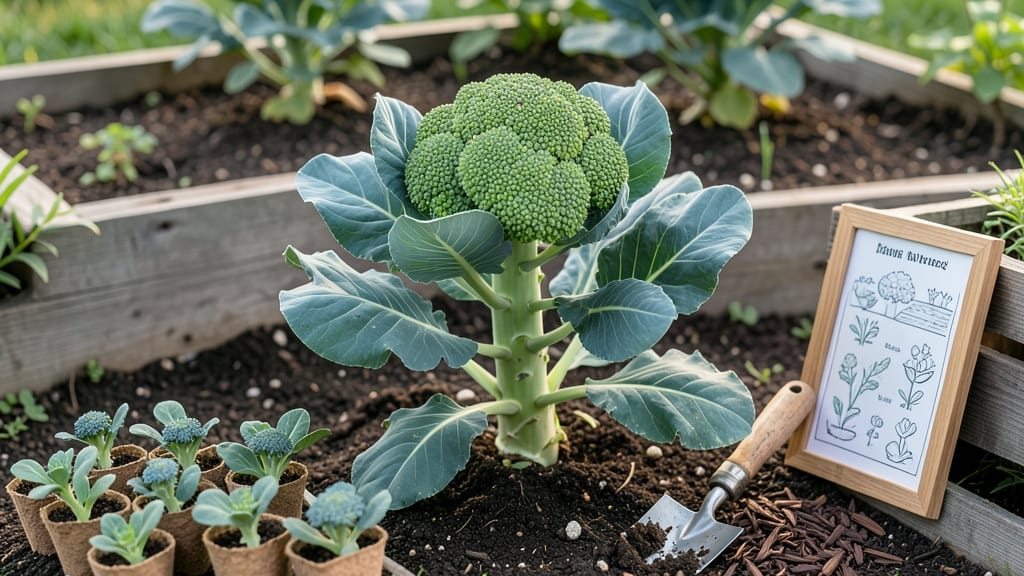
Timing your 🥦 broccoli planting in Connecticut can mean the difference between a bountiful harvest and a sad, wilted disappointment. The last thing you want is to rush into the garden only to watch frost nip your seedlings or summer heat turn your plants into bitter bolts.
In Zone 6a, where Connecticut sits, spring planting kicks off as early as March, but you’ll need to time it perfectly to avoid late frosts. Meanwhile, fall planting offers a second chance for harvests—just don’t wait too long, or you’ll miss the window to mature heads before winter sets in.
Whether you’re starting seeds indoors or transplanting seedlings, I’ll walk you through the exact frost-free deadlines and microclimate tweaks to maximize your success. No more guessing—just actionable advice tailored to Connecticut’s unique growing conditions.
Ready to grow healthier, more productive broccoli? Let’s dive into the best planting windows, soil prep tips, and variety recommendations that actually work in CT’s climate.
Optimal planting windows for broccoli in Connecticut’s Zone 6 climate
Connecticut’s Zone 6 climate gives us two prime windows to grow broccoli: early spring and late summer. Timing matters because broccoli hates both frost and sweltering heat.
For spring, aim to plant 4-6 weeks before your last frost date—typically by mid-April—while fall plantings should go in late July to early August for a late-season harvest before frost strikes in mid-October.
Your exact last frost date depends on your specific microclimate, but most of Connecticut averages April 15. Use this as your anchor: count backward to determine when to start seeds indoors or transplant seedlings. For fall crops, work forward from October 15 (first frost) minus 80-100 days for maturity.
Here’s the key: Soil temperature must be at least 40°F (4°C) for seeds to germinate, and 50°F (10°C) for healthy growth. In CT, this usually aligns with late March to early April for spring plantings. Use a soil thermometer to confirm—cold soil delays germination and weakens seedlings.
For beginners, starting seeds indoors 4-6 weeks before transplanting gives you a head start. Use grow lights or a sunny windowsill, and harden off seedlings for 7-10 days before moving them outdoors. This extra time ensures your broccoli gets off to a strong start before CT’s unpredictable spring weather hits.
If you’re direct-sowing seeds outdoors, wait until the soil is consistently 50°F (10°C) and all frost risk has passed. This is usually late April to early May, but monitor local forecasts—coastal areas like New London may warm up faster than inland spots like Hartford.
Fall plantings require similar precision. Aim to transplant 80-100 days before your first frost, which means late July to early August for most of CT. This timing ensures your broccoli matures before cold snaps arrive.
Use row covers or cold frames to extend the season if needed—just remove them during the day to prevent overheating.
Pro tip: Succession planting works wonders in CT’s short season. Sow a second batch of seeds every 2-3 weeks from April through July to stagger your harvest. This way, you’ll have broccoli ready to pick from late May through October, even if the weather isn’t perfect every week.
Now, let’s break down the exact planting windows for CT’s Zone 6, including seed-starting dates, transplant timelines, and harvest expectations. This summary table will help you plan like a pro:
| Planting Window | Action | Notes |
|---|---|---|
| Early Spring (March) | Start seeds indoors (4-6 weeks before last frost) | Use grow lights; harden off seedlings |
| Late Spring (April) | Transplant seedlings outdoors (after last frost) | Soil temp ≥50°F; space 18-24" apart |
| Mid-Summer (July) | Direct sow seeds or transplant for fall harvest | 80-100 days before first frost; use shade cloth if hot |
| Harvest Window | Late May - June (spring) & September - October (fall) | Pick when heads are tight and dark green |
Remember, CT’s microclimates vary—coastal areas like Groton or Stonington may have 2-3 weeks earlier last frost dates than inland spots like Waterbury. Check your local CT Agricultural Experiment Station frost maps or use Almanac.com’s frost calculator for your exact zip code.
Once you’ve nailed your planting windows, the next step is choosing the right broccoli varieties for CT’s short growing season. Some varieties bolt (go to seed) faster in heat, while others handle cooler temps better.
We’ll cover the top 5 varieties in the next section—stay tuned to pick the perfect match for your garden!
🌱
How Connecticut’s microclimates affect broccoli planting success
Connecticut’s diverse geography—from coastal shorelines to inland valleys—creates microclimates that can shift your broccoli planting timeline by weeks. Coastal areas like New Haven and Stamford enjoy milder springs and later frosts, while inland zones like Hartford and Litchfield face earlier cold snaps.
Even a 10-mile difference can mean the gap between success and failure for your crop.
Soil temperatures play a critical role too. Broccoli seeds need 40-50°F soil to germinate, but transplanting requires 55°F+ air temperatures to thrive. Inland areas may hit these thresholds 2-3 weeks earlier than coastal regions, giving you a narrower window for direct sowing.
Meanwhile, heat-tolerant varieties like 'De Cicco' can handle CT’s summer heat better than delicate 'Calabrese' types.
Here’s how to adjust your planting based on Connecticut’s key microclimates:
Pro tip: Use soil thermometers to confirm readiness—cooler coastal soils may delay germination even if air temps seem perfect. For inland areas, prioritize early-maturing varieties like 'Waltham 29' (58 days to harvest) to beat summer’s heat.
If you’re near water, like Mystic or Groton, expect 2-3°F warmer nights, extending your fall harvest window by 10-14 days.
Heat stress is your biggest enemy in CT’s summers. Broccoli bolts (premature flowering) when days exceed 80°F for 3+ days. To combat this, use shade cloth (30-50%) during July-August or opt for 'Belstar', a bolt-resistant hybrid.
Mulch with straw or grass clippings to keep roots cool—this can add 2-3 weeks to your harvestable window.
Don’t overlook elevation either. Hilltop gardens in Western CT (like Danbury) can be 5-10°F colder than valleys. If you’re planting at higher elevations, start seeds 4-6 weeks indoors to compensate.
For coastal gardeners, embrace the later frost dates by extending fall planting to August 15—just ensure your variety matures within 80 days before your local first frost.
🌱