
Plants
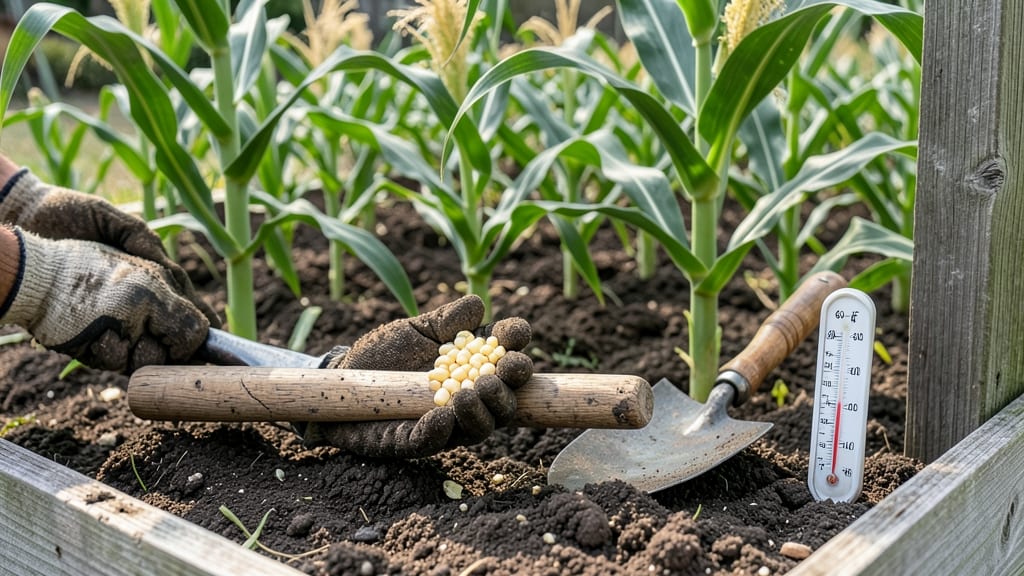
Timing your 🌽 corn planting in VA can make or break your harvest—get it wrong, and you might end up with stunted plants or wasted seeds. Virginia’s diverse climate zones mean what works in Richmond won’t always suit Roanoke, and those frost dates shift faster than you’d expect.
I’ve grown corn in Virginia’s 6a-8b zones for years, and the difference between a bumper crop and a disappointment often comes down to soil temperature and knowing when to plant.
Whether you’re a first-time gardener or a seasoned pro, missing the window by even a week can mean the difference between juicy ears and tough, underdeveloped kernels.
In this guide, I’ll break down the exact planting windows for your region—from the Coastal Plain to the Appalachian Plateau—plus how to adjust for soil prep, microclimates, and those tricky early-season cold snaps. No more guessing whether your seeds will sprout or rot in the ground.
You’ll also discover the 3 biggest mistakes Virginia gardeners make (and how to avoid them), so you can confidently plant your corn between mid-April and early June—no more second-guessing. Let’s get those kernels growing!
Virginia corn planting dates by region: frost and soil temperature guide
Virginia’s diverse climate zones mean your corn planting timing should depend on whether you’re in the Coastal Plain, Piedmont, or mountain regions. The last frost date shifts from mid-March in Norfolk to mid-April in Roanoke, creating a 4-week window for planting decisions.
Corn seeds need soil temperatures of 50°F+ to germinate—waiting for this warmth is critical for success.
Most Virginia gardeners aim to plant corn between mid-April and early June, but your exact window depends on your USDA hardiness zone (ranging from 6a to 8b). Coastal areas can start 2-3 weeks earlier than the Appalachians, where late frosts linger.
Always check the USDA Plant Hardiness Zone Map for your specific location to avoid frost damage.
Here’s how Virginia’s five climate regions break down for corn planting:
| Region | Last Frost Date | Ideal Planting Window | Soil Temp for Germination | Notes |
|---|---|---|---|---|
| Coastal Plain (Zones 7b-8a) | Mid-March to early April | Late March–mid-May | 50°F+ (10°C+) | Sandy soils; may need irrigation |
| Piedmont (Zones 6b-7a) | Early to mid-April | Mid-April–early June | 50°F+ (10°C+) | Clay-heavy; amend soil with compost |
| Blue Ridge (Zones 6a-7a) | Mid-April | Late April–early June | 55°F+ (13°C+) | Higher elevation; cooler nights |
| Valley & Ridge (Zones 6a-7a) | Late April | Early May–mid-June | 55°F+ (13°C+) | Drainage issues; raised beds help |
| Appalachian Plateau (Zones 6a-7a) | Mid-April | Late April–early June | 55°F+ (13°C+) | Short season; choose early-maturing varieties |
If you’re in Zone 7b or warmer (like Hampton Roads), you can start planting late March for early varieties. But gardeners in Zone 6a (e.g., Roanoke or Blacksburg) should wait until mid-April to avoid frost damage.
Always monitor soil temperatures with a thermometer—corn seeds won’t sprout below 50°F, and cooler soils delay germination.
For sweet corn varieties, which mature faster (60-70 days), aim to plant in April for a July harvest. Field corn (for grain or silage) needs 90-120 days, so plant in late April to early May for a fall harvest. Popcorn falls in between, with a 75-90 day maturity window.
Pro tip: Use black plastic mulch to warm soil faster in cooler regions like the Blue Ridge. This can shave off 1-2 weeks from your planting window by raising soil temperatures by 5-10°F. Just remove the mulch once plants emerge to prevent overheating.
Never plant corn before the last frost—even if
How to adjust corn planting for Virginia’s microclimates and soil types
Virginia’s diverse geography means your corn planting success hinges on understanding your local conditions. The Coastal Plain warms faster than the Appalachian Plateau, and sandy soils drain differently than clay-heavy Piedmont dirt.
I’ve seen corn thrive in one part of my garden while struggling just a few miles away—it’s all about adjustments.
If you’re in the Coastal Plain (like Norfolk), you can plant 2-3 weeks earlier than gardeners in the Blue Ridge Mountains. The key is soil temperature: corn needs 50°F+ soil to germinate, and a soil thermometer (just $15) is your best friend.
Wait for consistent warmth—not just air temperature—to avoid rot.
For clay-heavy soils common in the Piedmont region, amend with compost or sand before planting. Heavy clay holds too much moisture, which can drown corn roots.
Mix in aged compost to improve drainage while retaining nutrients. In sandy soils (like in Virginia Beach), add organic matter to prevent nutrients from washing away.
- Test soil temperature with a thermometer—wait for 50°F+ for 5+ days before planting.
- Amend clay soils with compost or sand to improve drainage and root growth.
- Use black plastic mulch in cold regions to warm soil faster and suppress weeds.
- Adjust planting depth: 1-1.5 inches in sandy soil, 1.5-2 inches in clay.
- Monitor microclimates: South-facing slopes warm up faster than shaded areas.
High-altitude areas like the Appalachian Plateau (e.g., Bristol) often face late frosts. Use frost cloth or plant in low-lying areas where cold air settles less. If you’re unsure about frost dates, check the USDA Plant Hardiness Zone Map and add 2-3 weeks to your local last-frost date for safety.
One trick I swear by? Planting in blocks (not rows) improves pollination, especially in windy or isolated areas. Space seeds 4-6 inches apart in groups of 3-4 plants every 2 feet. This mimics natural corn growth patterns and ensures better ear development.
For short-season varieties (like ‘Silver Queen’), start seeds indoors 2-3 weeks before the last frost if your growing season is tight.
Finally, watch for early-season cold snaps. If nighttime temps dip below 50°F after planting, cover seedlings with row covers or old blankets for a few nights. Corn is tough once established, but young plants are extremely sensitive to cold.
With these adjustments, you’ll beat Virginia’s quirks and grow corn like a pro—no matter where you garden.