
Plants
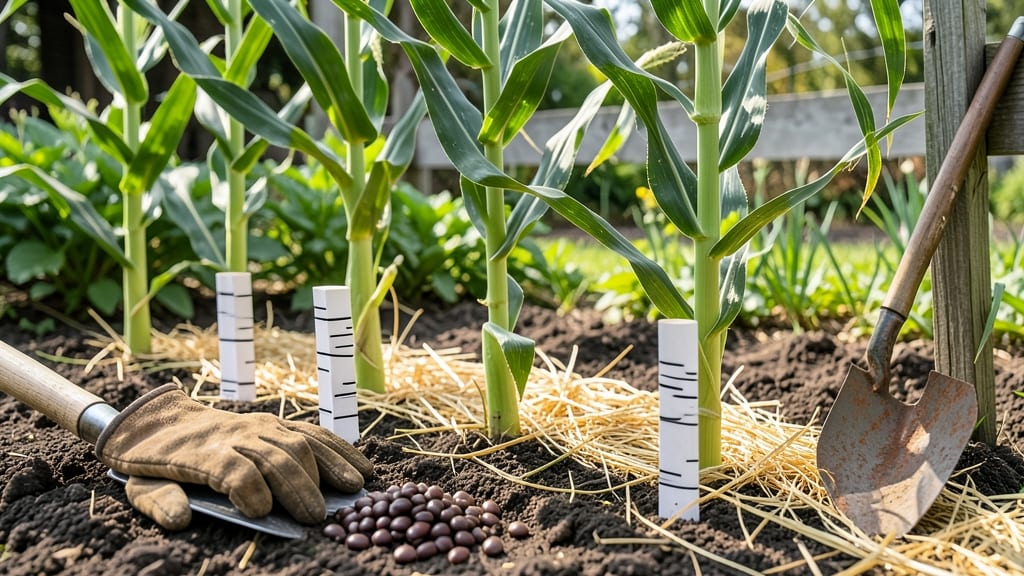
Timing your 🌽 corn planting in Vermont can mean the difference between a bountiful harvest and wasted effort—especially in Zone 5a-6b where frost lingers longer than in warmer regions.
The mid-April to mid-May window isn’t just a suggestion; it’s your golden ticket to avoiding frost damage while ensuring your plants have enough time to mature before Vermont’s first chill in October.
Here’s the catch: Vermont’s unpredictable weather means even the best-laid plans can go sideways. Planting too early risks frost-killed seedlings, while waiting too long cuts your harvest short.
I’ll break down the exact soil temperature thresholds (60°F or warmer) and frost-free date strategies that actually work in the Green Mountain State.
You’ll also discover which corn varieties thrive in Vermont’s short growing season—some mature in just 60 days, while others take up to 120 days.
Whether you’re growing sweet corn for the table or field corn for livestock, knowing the right variety and planting schedule is the key to success.
Let’s dive into the specifics so you can plant with confidence and enjoy a harvest that’s worth the effort—no guesswork required.
Optimal Vermont corn planting dates by variety type
Vermont’s Zone 5 climate means corn planting dates hinge on soil temperatures and frost risks. Unlike warmer regions, Vermont’s short growing season (about 165 frost-free days) demands precise timing. Plant too early, and frost will damage tender seedlings; too late, and your harvest may not mature before fall.
Let’s break down the best windows for sweet corn, field corn, and popcorn in Vermont.
For all corn types, the ideal soil temperature is 60°F (15°C) at 1-2 inches deep. Use a soil thermometer to confirm—cold soil delays germination.
In Vermont, this typically aligns with mid-April to mid-May, but northern Vermont (e.g., St. Johnsbury) may need to wait until late May, while southern Vermont (e.g., Bennington) can start as early as early April if soil is workable.
Here’s how to adjust for Vermont’s unpredictable weather: Start seeds indoors 2-3 weeks before the last frost (around April 15) if you’re using transplants. However, corn doesn’t transplant well, so direct sowing is preferred.
For extra insurance, use black plastic mulch to warm soil faster or plant near south-facing walls to create microclimates.
Sweet corn is the most popular choice for Vermont gardens, with early-maturing varieties (60-75 days) being safest. These include ‘Early Sunglow’ (70 days) and ‘Silver Queen’ (80 days). Plant sweet corn in hills (3-4 seeds per hill, 12 inches apart) to improve pollination and reduce wind damage. Mid-season varieties like ‘Ambrosia’ (85 days) can work in southern Vermont but risk frost in northern areas.
| Variety Type | Best Planting Window | Days to Maturity | Soil Temp Requirement | Vermont-Specific Notes |
|---|---|---|---|---|
| Sweet Corn | Mid-April to early May | 60-85 days | 60°F (15°C) | Choose early varieties; plant in blocks for pollination. |
| Field Corn | Late April to mid-May | 90-120 days | 60°F (15°C) | Needs longer season; best for southern VT or greenhouses. |
| Popcorn | Early May to early June | 85-110 days | 60°F (15°C) | Plant later for full maturity; ‘Mushroom’ or ‘Strawberry’ varieties recommended. |
Field corn (used for animal feed or grinding) requires a longer growing season (90-120 days), making it riskier in Vermont. If you’re determined to grow it, opt for early-maturing hybrids like ‘Mo17’ (100 days) and plant in southern Vermont or extend the season with row covers. For popcorn, which needs even more time (85-110 days), plant ‘Mushroom’ or ‘Strawberry’ varieties in early May and protect young plants with floating row covers if frost threatens.
Vermont’s early frosts (often arriving by October 1) mean you’ll need to harvest corn before then. To maximize your yield, stagger plantings: Sow 3-4 successive batches every 2 weeks starting in mid-April.
This ensures a continuous harvest and reduces the risk of losing your entire crop to frost. For example, plant ‘Early Sunglow’ on April 15, May 1, and May 15 for a 6-week harvest window.
One common mistake in Vermont is planting too late due to cool springs. If your soil isn’t ready by mid-May, consider container growing or using greenhouse starts. Corn is heavy-feeding, so amend your soil with compost or aged manure before planting.
Aim for a pH of 6.0-7.0—Vermont’s acidic soils often need lime to reach this range. Test your soil in early spring to avoid delays.
For northern Vermont, where frost risks are higher, prioritize early-maturing varieties and use black plastic mulch to warm soil. In southern Vermont, you can push the envelope with mid-season
How to adjust planting dates for Vermont’s unpredictable weather
Vermont’s unpredictable frost dates and cool spring temperatures can make corn planting a gamble if you don’t plan ahead. A late frost in May or an unusually warm April can throw off your entire growing season, so flexibility is key.
The average last frost date hovers around May 15, but northern Vermont (like Burlington) often sees frost lingering until June 1, while southern areas (like Bennington) may warm up earlier.
To safeguard your corn, I always check the National Weather Service’s frost predictions and monitor soil temperatures. Corn seeds won’t sprout until the soil reaches 60°F (15°C) at least 1-2 inches deep.
If your soil is still chilly by mid-May, you’ll need to delay planting or use soil warming techniques to create a microclimate for your seeds.
Here’s my go-to strategy: I start seeds indoors in biodegradable pots 2-3 weeks before the expected last frost. This gives me a head start and allows me to transplant seedlings once the soil warms.
For direct sowing, I wait until after Memorial Day (around May 25) to minimize frost risk, even if it means planting later-season varieties.
Another trick I’ve learned from Vermont farmers is to plant in successive waves. Instead of putting all your seeds in the ground at once, stagger plantings every 10-14 days between late April and early June.
This spreads out your harvest and reduces the chance of losing everything to a single late frost or early heatwave.
🌡️ Warning: Cold Soil = Failed Germination
Corn seeds planted in cold soil (<55°F) may rot instead of sprout. Always test soil temperature with a soil thermometer or wait for a 3-day heatwave to ensure consistent warmth.
If a late frost threatens, I cover young plants with floating row covers or lightweight fabric to protect them. These covers also help retain heat and speed up growth.
For extra insurance, I plant early-maturing varieties (like ‘Early Sunglow’) in cooler microclimates, such as near south-facing walls or in raised beds that warm up faster.
Don’t forget to account for Vermont’s short growing season. With only about 165 frost-free days, you’ll want to prioritize fast-maturing varieties (60-75 days to harvest) over slower ones.
If you’re eager to try a late-season variety, consider using a black plastic mulch to extend the season by warming the soil and suppressing weeds.
Finally, keep an eye on the 10-day forecast before planting. If a cold snap is predicted, delay your planting by a week. Corn is resilient once established, but getting it off to a strong start is half the battle in Vermont’s chilly climate.
With these adjustments, you’ll be well on your way to a bountiful corn harvest despite Mother Nature’s whims. 🌽