
Plants
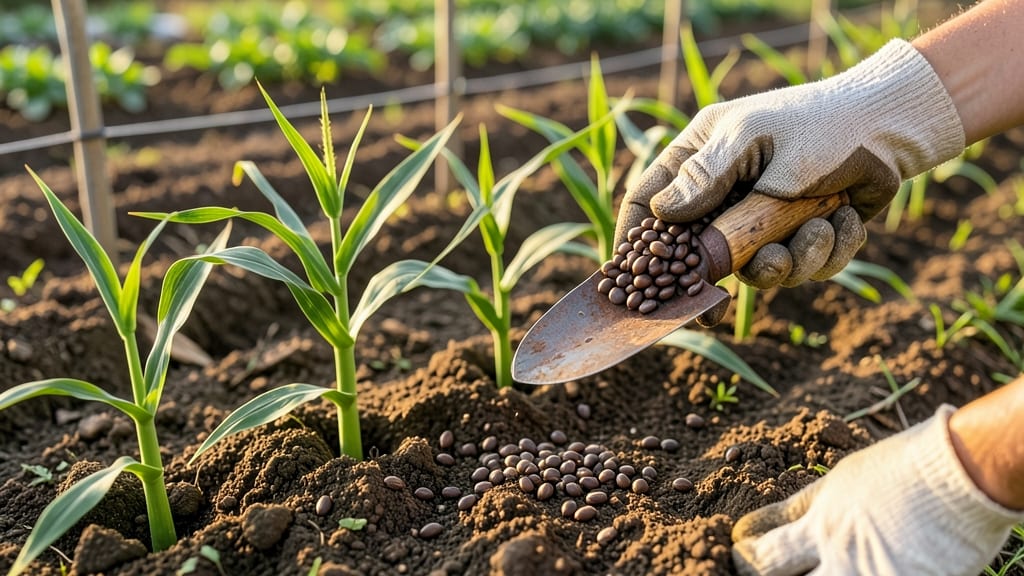
Timing your corn planting in Zone 5B can make or break your harvest—especially when unpredictable late frosts and chilly soil temperatures throw off even the most careful gardeners. 🌽
You’ve probably heard that corn thrives in warm soil, but knowing exactly when to plant in Zone 5B—where last frosts linger until mid-April—is the game-changer between stunted plants and towering ears ready for harvest by late summer.
In this guide, I’ll break down the ideal frost-free window, soil temperature triggers, and regional tweaks so you can confidently plant corn between mid-April and mid-May. Whether you’re a beginner or a seasoned gardener, these tips will help you avoid common pitfalls and maximize your yield.
Ready to skip the guesswork? Let’s dive into the key factors that separate a good planting season from a great one in Zone 5B.
Zone 5B corn planting dates: frost-free window & soil temperature rules
In Zone 5B, corn thrives when planted after the last frost date and when soil temperatures consistently reach 60°F (15°C). These conditions typically align with mid-April to mid-May, but regional variations mean your exact window could shift by 1-2 weeks.
For example, areas like Chicago may wait until late April, while Buffalo could start earlier due to lake-effect warming.
Corn is extremely frost-sensitive—even a light freeze can stunt growth or kill seedlings. That’s why I always check the USDA Plant Hardiness Zone Map and local National Weather Service frost predictions.
Pro tip: Use a soil thermometer to confirm warmth before planting, as air temperature and soil temperature often don’t match.
Here’s the critical timeline for Zone 5B corn planting:
| Stage | Action | Zone 5B Window |
|---|---|---|
| Soil Prep | Test soil pH (6.0-7.0), add compost | Late March |
| Last Frost | Wait 2 weeks after average last frost | Mid-April |
| Planting | Direct-sow seeds 1-1.5" deep, 4-6" apart | Mid-April to mid-May |
| Soil Temp Check | Confirm 60°F+ for 5+ days | Before planting |
| Harvest Ready | Silks brown, kernels milky | Late July–early October |
If you’re in a cooler microclimate within Zone 5B—like a high-elevation area or near large water bodies—plant earlier varieties (e.g., ‘Early Sunglow’ at 70 days) to avoid frost.
Conversely, warmer pockets (like urban heat islands) can support medium-season corn (e.g., ‘Silver Queen’ at 110 days) if planted by late April.
For succession planting, I recommend a 2-week interval between batches to stretch your harvest. For example, plant the first batch in early May and the second in mid-May. This ensures you’re not overwhelmed with ears all at once while maximizing your garden’s potential.
One common mistake in Zone 5B is planting too early. Cold soil slows germination, leading to weak, leggy seedlings that struggle to recover. I’ve seen this firsthand when planting in March—even if the ground looks dry, the soil temperature might still be below 50°F (10°C).
Always prioritize soil warmth over calendar dates.
To verify your local frost dates, use the USDA’s Frost Calculator or check your state’s agricultural extension service. For example, Michigan State University provides hyper-local frost predictions, while Almanac.com offers historical averages. Cross-referencing these sources gives you the most accurate frost-free window for your specific location.
Once you’ve nailed the planting window, focus on soil preparation. Corn loves well-draining, fertile soil with a pH of 6.0–7.0. In Zone 5B, where springs can be cold and wet, I recommend raising beds or planting on south-facing slopes to warm up faster.
Adding aged compost or a balanced 10-10-10 fertilizer at planting time gives your corn the nutrient boost it needs to thrive.
Finally, don’t forget about companion planting. Corn benefits from beans or peas (which fix nitrogen in the soil) and squash (which provides shade to suppress weeds). Avoid planting near tomatoes or potatoes, as they compete for nutrients and attract similar pests.
Pairing corn with the right companions can increase yields by 20-30% in Zone 5B gardens.
Zone 5B corn planting dates: frost-free window & soil temperature rules
In Zone 5B, your corn planting window is narrow but critical—typically between mid-April and mid-May, after the last frost date. This aligns with soil temperatures reaching 60°F (15°C), which corn seeds need to germinate reliably. 🌱
However, these dates aren’t set in stone. Northern areas of Zone 5B (like Upstate New York) may need to wait until late April, while southern edges (like Northern Indiana) can start earlier. Always check your local frost dates using the USDA Plant Hardiness Zone Map.
Here’s the golden rule: Wait until the soil is warm enough and the risk of frost has passed. Cold soil delays germination, and frost can kill young seedlings. Use a soil thermometer to confirm—corn seeds won’t sprout below 50°F (10°C), but they thrive at 60°F+.
| Frost-Free Window | Soil Temp Trigger | Planting Window | Notes |
|---|---|---|---|
| Mid-April | 50°F (10°C) | Early varieties (85-day) | Risk of late frost; use row covers. |
| Late April | 60°F (15°C) | Standard varieties (110-day) | Optimal for most Zone 5B gardeners. |
| Early May | 65°F+ (18°C) | Succession planting | Extend harvest window by 2-3 weeks. |
If you’re unsure about your last frost date, use the Almanac’s Frost Calculator or ask local gardeners—they’ve likely tested their soil for years. Pro tip: Plant a test row a week before your target date to gauge soil warmth and frost risk.
Once your soil hits 60°F (15°C), direct-sow seeds 1-1.5 inches deep in rows spaced 30-36 inches apart. This spacing ensures strong stalks and prevents cross-pollination issues. For early planting, consider black plastic mulch to warm the soil faster.
Remember: Corn needs consistent warmth to grow tall and productive. If your soil stays cool past mid-May, switch to shorter-season varieties (like ‘Early Sunglow’) to avoid bolting or frost damage before harvest. 🌾