
Plants
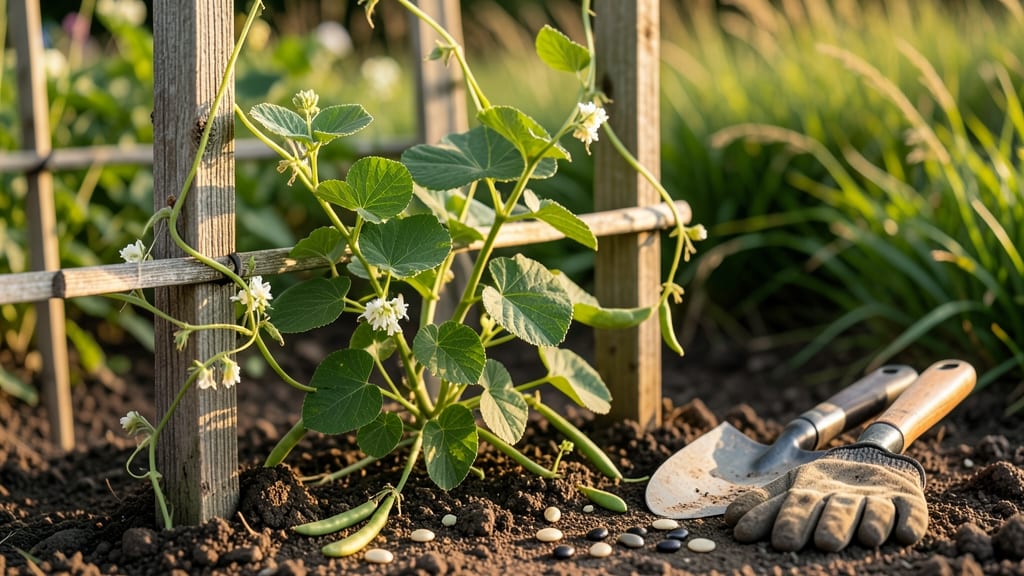
Planting cowpeas in Texas isn’t just about throwing seeds in the dirt—it’s about timing them perfectly to beat the heat and drought that define our summers. If you’ve ever watched your cowpeas 🌱 wilt under the relentless sun or struggle to produce pods, you’re not alone.
The key to a bountiful harvest lies in knowing when to start, how to prep your soil, and how to keep them thriving once they’re in the ground.
Texas gardeners in zones 8a-10b have a narrow but critical window—typically between March and September—to plant cowpeas for the best results. Too early, and frost can still linger; too late, and the scorching heat will stress your plants before they even mature.
I’ll break down the exact months that work for North, Central, and South Texas, plus the soil tricks that help cowpeas thrive where other plants fail.
What sets cowpeas apart in Texas is their heat tolerance and ability to fix nitrogen in the soil, making them a low-maintenance powerhouse. But even these tough plants need the right start.
You’ll learn how to time your planting for maximum yield, whether you’re in the cooler hills of North Texas or the sweltering plains of the South. Let’s get those seeds in the ground the right way.
Ready to grow cowpeas that produce pods instead of stress? I’ll walk you through the full process—from soil prep to post-planting care—so you can enjoy a harvest from May through November. No more guessing, just proven Texas-friendly techniques.
Best planting months for cowpeas in Texas regions (North vs. Central vs. South)
Texas’ diverse climate means cowpeas thrive in different windows depending on your region. North Texas gardeners should aim for April–May planting, while Central and South Texas can start as early as March and extend through June.
The key is planting when soil temperatures hit 70°F+—cowpeas hate cold soil but love heat once established.
In North Texas (USDA Zones 7b–8a), like Dallas or Fort Worth, wait until mid-April to avoid frost risks. Central Texas (Zones 8a–8b), including Austin, can plant March–April for spring harvests. South Texas (Zones 8b–10a), like the Rio Grande Valley, enjoys a longer window (March–June) thanks to warmer winters.
🌱 Pro Tip: Use a soil thermometer to confirm 70°F+ before planting—cowpeas won’t germinate in cooler soil.
| Region | USDA Zones | Best Planting Window | Soil Temp Threshold | Heat Tolerance |
|---|---|---|---|---|
| North Texas | 7b–8a | April–May | 70°F+ | Moderate (needs afternoon shade in July) |
| Central Texas | 8a–8b | March–June | 65°F+ | High (thrives in 90°F+) |
| South Texas | 8b–10a | March–June (fall replant Sept) | 60°F+ | Very High (drought-tolerant) |
For fall harvests, plant again in late summer (August–September) in Central/South Texas. North Texas can try September plantings, but aim to harvest before first frost (mid-November). Cowpeas are fast growers (60–90 days), so timing your second planting for a pre-frost harvest is critical.
🌡️ Watch Out: Extreme heat (>100°F) can reduce pod production. Use shade cloth or plant in partial shade during peak summer months in North/Central Texas.
Soil prep matters too—cowpeas need well-draining soil with a pH of 5.8–6.5. Amend clay soils with compost or sand to prevent waterlogging, which cowpeas hate. In sandy soils (common in South Texas), add organic matter to retain moisture.
💡 Texas-Specific Hack: Mix cowpeas with corn or okra in a three-sisters garden. The corn provides shade, okra deters pests, and cowpeas fix nitrogen—everyone wins!
Finally, succession planting every 2–3 weeks ensures a continuous harvest from May through October. Start with 2–3 seeds per hill, thin to the strongest plant, and watch those vines climb!
How to time cowpea planting for maximum yield: heat, rain, and soil secrets
Timing your cowpea planting in Texas isn’t just about avoiding frost—it’s about capturing that sweet spot between soil warmth and manageable heat. Cowpeas love the sun, but they’ll bolt or struggle if planted during peak summer scorching (think July-August in Central Texas).
The ideal window is late spring to early summer, when soil temps hit 70°F+ but before the brutal afternoon sun becomes overwhelming.
For most of Texas, this means planting between April and June. North Texas gardeners should aim for mid-April to early May, while South Texas can stretch it to March through June.
The key is to get seeds in the ground 2-3 weeks after your last frost date—this gives them time to establish roots before the real heat arrives. Pro tip: Use a soil thermometer to confirm temps are above 65°F before planting.
Here’s the secret weapon for Texas cowpeas: succession planting. Instead of one big planting, try two batches—one in April-May for early summer harvests and another in July-August for fall pods.
This works because cowpeas mature quickly (60-90 days), so you can stretch your harvest from June through October without planting all at once.
🌱 5 Pro Tips to Maximize Cowpea Yield in Texas Heat
- 1. Plant after last frost but before soil hits 90°F+—aim for 70-85°F range.
- 2. Use black plastic mulch to warm soil faster and retain moisture in North/Central Texas.
- 3. Water deeply but infrequently—1-2 inches per week—to encourage deep roots.
- 4. Add phosphorus-rich fertilizer (like bone meal) at planting to boost pod production.
- 5. Harvest every 2-3 days once pods form to trigger more production.
Texas’s unpredictable rain patterns can make or break cowpea success. If you’re planting in dry spring months (common in West Texas), pre-soak seeds for 4-6 hours before planting to jumpstart germination.
For areas with late-summer monsoons (like South Texas), choose drought-tolerant varieties like ‘Purple Hull’ or ‘Black-Eyed Pea’—they handle flash floods better than others.
Don’t overlook soil amendments—cowpeas thrive in well-draining, slightly acidic soil (pH 6.0-6.8). Work in 2-3 inches of compost or aged manure before planting, and side-dress with potassium-rich fertilizer (like wood ash) when flowers appear. This combo boosts pod development and helps plants recover faster from Texas heat stress.
Remember, cowpeas are nitrogen-fixers, so they’ll improve your soil over time—but they still need phosphorus and potassium to perform at their best. Skip the heavy nitrogen fertilizers; too much can delay flowering and reduce yields.
With the right timing and care, you’ll go from sparse pods to a bountiful harvest in just 8-10 weeks.