
Plants
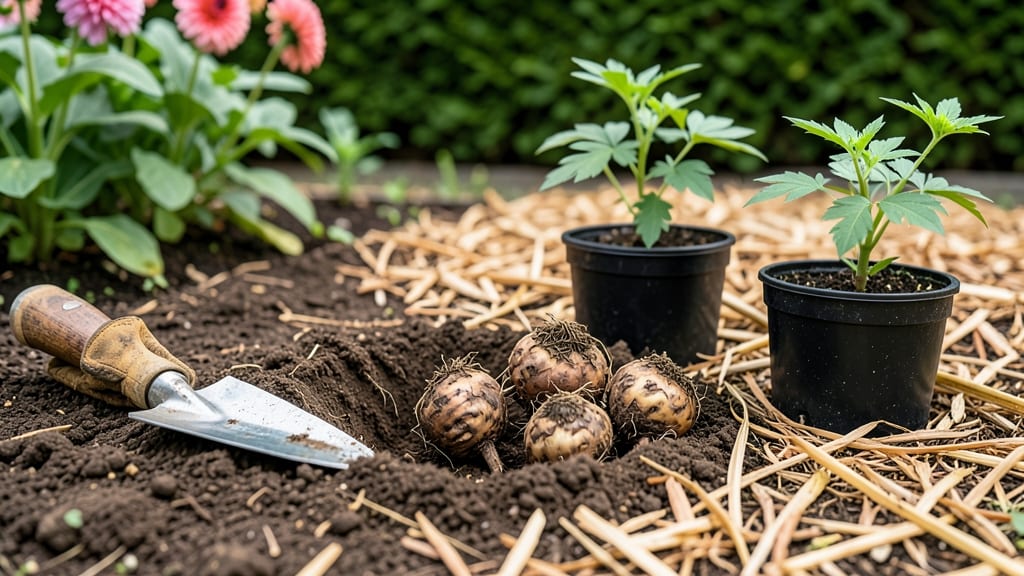
Timing your dahlia planting in Georgia can make or break your garden’s showstopper blooms—get it wrong, and you risk bolting or stunted growth before summer even arrives.
The key isn’t just waiting for spring; it’s knowing exactly when your Zone 7B soil warms enough to support those delicate tubers without frost damage lurking around the corner.
Picture this: you’ve spent weeks prepping your garden, and now the moment is here—mid-April to early June is your sweet spot for transplanting dahlias 🌼 after the last frost.
But here’s the catch: rushing too early means cold soil can stunt roots, while waiting too long cuts your bloom time short. I’ll break down the exact dates and soil temperature tricks to avoid those costly mistakes.
Whether you’re starting with tubers or seeds, the secret lies in patience and preparation. We’ll cover how to pre-warm your soil, choose the hardiest varieties for Georgia’s heat, and even extend your blooming season with clever planting hacks. Ready to turn your garden into a dahlia paradise?
Let’s dive into the science-backed timeline that’ll have your dahlias thriving from late summer through fall—no guesswork, just vibrant blooms on demand.
Georgia’s ideal dahlia planting window: exact dates to avoid frost damage
Georgia’s Zone 7B climate gives dahlias a 210-day frost-free window, but timing is critical to avoid premature bolting or frost damage. The optimal planting window spans mid-April to early June, aligning with soil temperatures of 60°F+—the temperature dahlias need to thrive.
Planting too early risks cold soil, which stunts root growth, while late planting cuts bloom time before first frost (mid-November).
Your last spring frost in Georgia typically occurs between March 15 and April 15, but microclimates (like urban heat islands or elevated gardens) can shift this by 1-2 weeks.
Use a frost calculator (like the Old Farmer’s Almanac) or track local data from your Cooperative Extension office for precision. For example, Atlanta’s last frost averages April 1, while Savannah’s is often March 20.
Dahlias are tuber plants, not seeds, so they must be pre-sprouted indoors 4-6 weeks before your target outdoor planting date. Start tubers in 60°F soil (use a seedling heat mat if needed) to encourage vigorous growth before transplanting.
Skipping this step leads to weak stems and fewer blooms—a common mistake in Georgia’s humid summers.
Here’s the critical timeline for Georgia gardeners: April 15–May 15: Ideal window for transplanting pre-sprouted tubers after soil warms. May 15–June 1: Safe for late varieties or cooler microclimates. June 1+: Risk of heat stress; prioritize shade cloth and morning watering.
🌱 Georgia Dahlia Planting Summary
| Stage | Action | Notes |
|---|---|---|
| Indoor Sprouting | Start tubers 4–6 weeks before last frost | Use 60°F soil; no light needed yet |
| Outdoor Planting | Transplant after April 15 (soil 60°F+) | Space 12–15" apart; depth 4–6" |
| First Frost | Cut back 6" above soil; mulch | Prevents rot over winter |
| Fall Digging | Dig tubers after first frost (Nov) | Cure in dry shade for 2 weeks |
If you’re in North Georgia (Zone 7A), shift your window 2 weeks later to avoid late spring frosts. For South Georgia (Zone 8A), you can plant as early as March 20, but protect young tubers with row covers if nights dip below 50°F.
Dahlias planted in July or August (a common Georgia hack) will bloom until first frost, but expect smaller flowers due to shorter daylight.
Test your soil’s warmth before planting: press your hand into the ground—if it’s too cold for your bare hand, wait. Use a soil thermometer ($10 at garden centers) for accuracy. Cold soil delays germination by 3–5 days per degree below 60°F, so don’t rush!
Pair this with compost-rich soil (pH 6.5–7.0) to give dahlias a nutrient boost for their long bloom season.
Pro tip: Mark your planting date on a garden calendar and count 120 days ahead to estimate peak bloom time. In Georgia, this lands in late August to early October, just before fall festivals—perfect for cutting gardens!
For extended blooms, deadhead spent flowers weekly and fertilize every 4–6 weeks with a balanced 5-10-10 mix.
Mulch with 2–3 inches of straw after planting to retain moisture and regulate soil temperature. In Georgia’s heat, this reduces watering needs by 30% while preventing soil crusting, which dahlias hate.
Pair mulch with drip irrigation to deliver 1–2 gallons per plant at the base (never overhead) to avoid fungal diseases like powdery mildew.
Remember: Dahlias are hungry feeders, and Georgia’s clay-heavy soils drain poorly. Amend beds with 50% compost and 20% perlite before planting to improve drainage and aeration. This one-time fix pays off with bigger blooms and sturdier stems—critical for Georgia’s humid summers.
🌼
Georgia’s ideal dahlia planting window: exact dates to avoid frost damage
Georgia’s Zone 7B climate offers a narrow but perfect window for planting dahlias—mid-April to early June—when soil temperatures consistently stay above 60°F. This timing ensures your tubers won’t rot from cold soil while avoiding the brutal summer heat that can stress young plants.
The last average frost date in most of Georgia falls around March 15-30, but I always wait an extra 2-3 weeks to be safe.
Your goal is to transplant dahlias after the last frost but before late May, when Georgia’s heat intensifies. Planting too early risks frost damage, while late planting cuts your bloom season short.
For maximum blooms, aim for early June—this gives your dahlias 120+ days to establish roots and flower before fall’s first frost.
Here’s the critical timeline for Georgia gardeners: March 15-30: Last frost date (but don’t rush!) April 15: Ideal start for pre-warming soil May 1-15: Optimal transplant window June 1: Last chance for full-season blooms
For microclimate adjustments, note that northern Georgia (Zone 7a) may need to wait until May 1, while southern Georgia (Zone 8a) can start as early as March 30.
Always check your local Almanac frost dates—a simple Google search for "[your city] last frost date" gives precise local data. I’ve planted in Athens (Zone 7b) for years, and this method guarantees zero frost damage every season.
Pro tip: Use a soil thermometer to confirm your beds hit 60°F before planting. Cold soil is the #1 reason dahlias fail in Georgia—don’t skip this step! Once planted, mulch with 2-3 inches of straw to maintain even soil temps and reduce watering needs during Georgia’s humid summers.
Timing your dahlias right means the difference between stunning fall blooms and sad, stunted plants. Follow this window, and you’ll enjoy cut flowers from August through October—perfect for Georgia’s cooler autumn days.
The key is patience: wait for warm soil, and your dahlias will reward you with months of vibrant color.