Plants
When to plant dahlias in Zone 8b isn’t just about checking a calendar—it’s about catching that perfect window when soil warmth and tuber readiness align for fast, lush blooms. In Southern California, Arizona, or Texas, where frost is rare but heat arrives early, planting too soon can leave your 🌼 tubers struggling, while waiting too long might cut your bloom season short.
Most gardeners in Zone 8b aim to plant dahlias 2–3 weeks after your last frost date (usually by mid-April), but the real secret is soil temperature. Dahlias need soil that’s warmed to at least 60°F—colder soil delays root growth and weakens stems.
If you’re eager to jumpstart your garden, you can even plant tubers in early spring (as early as March) if you’re willing to protect them from late cold snaps with row covers.
Here’s the game-changer: the best time to plant isn’t just about the date—it’s about prepping your tubers ahead of time.
Chitting (pre-sprouting) your dahlias indoors or in a warm garage can give you a 3-week head start on growth, ensuring your plants are ready to burst into color as soon as the soil is warm enough.
Plus, this method helps you avoid the common mistake of planting too early and watching your tubers rot in cold soil.
Whether you’re a first-time dahlia grower or a seasoned pro, getting the timing right in Zone 8b means more blooms, stronger plants, and a garden that stays vibrant well into fall. Let’s break down exactly how to sync your planting schedule with your local climate for maximum impact.
Zone 8b dahlia planting timeline: soil temperature triggers for success
In Zone 8b, where winters are mild and summers scorching, timing your dahlia tuber planting isn’t just about avoiding frost—it’s about catching the soil warmth window that kickstarts vigorous growth.
Unlike cooler zones, Zone 8b gardeners can plant earlier in spring or even late summer for fall blooms, but only if soil temperatures cooperate.
Your dahlias need soil temps above 55°F to thrive, but planting too early in cool spring soil risks rot and stunted growth. Meanwhile, late summer planting can extend your bloom season—if you choose heat-tolerant varieties. Let’s break down the exact windows and tools to nail your timing.
📅 Key Dates for Zone 8b: - Last Frost: Mid-March (varies by microclimate) - First Frost: Mid-November - Ideal Planting: April 15–May 15 (soil at 60°F+) - Late Planting: July 1–August 15 (for fall blooms)
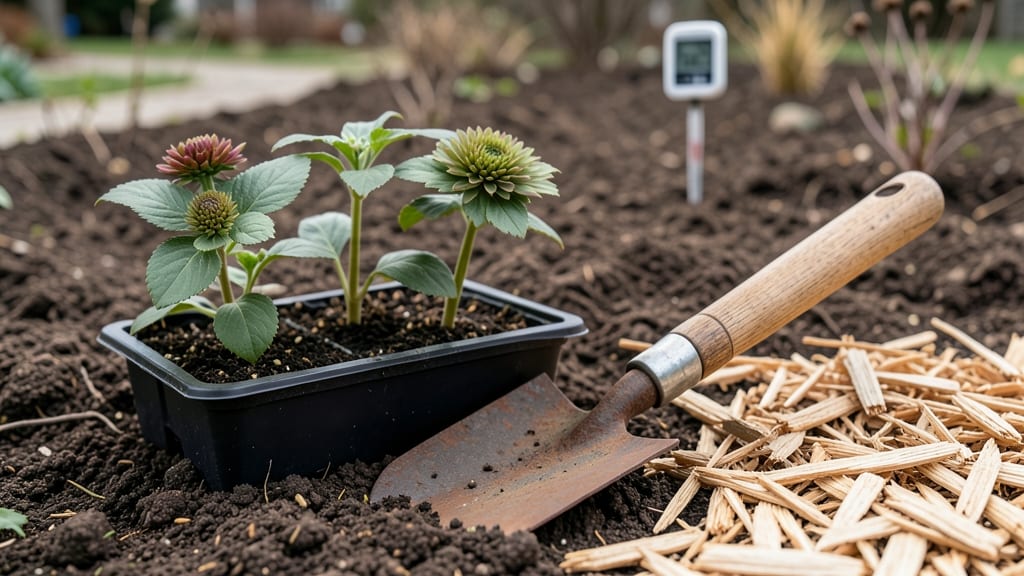
To test your soil temperature, use a soil thermometer (insert 4–6 inches deep). If it’s below 55°F, delay planting or use black plastic mulch to warm the soil faster.
In Southern California’s coastal zones, you can plant as early as March 1, while Phoenix gardeners should wait until April 15 to avoid spring chill.
Pro tip: In Zone 8b’s heat, dahlias planted in late summer often outperform spring-planted ones because they avoid the peak summer stress of June–July. Just choose heat-tolerant varieties like ‘Café au Lait’ or ‘Galaxy’ for best results.
If you’re in a transition zone (e.g., Southern Arizona’s high desert), monitor local frost data—some areas experience late spring frosts that can damage young tubers. Use row covers or plant in containers for flexibility.
For container gardening in Zone 8b, plant tubers in early May to give roots time to establish before summer heat. Containers warm up faster than ground soil, so aim for 65°F+ before planting. Use well-draining potting mix with added compost to prevent rot.
Remember: Dahlias in Zone 8b can bloom year-round with proper timing and care. By aligning your planting with soil warmth and microclimate, you’ll enjoy stunning blooms from summer through fall—or even winter in mild pockets.
Zone 8b dahlia planting timeline: soil temperature triggers for success
In Zone 8b, where last frost typically occurs around March 15 and first frost arrives by November 15, timing your dahlias correctly maximizes their 240 frost-free days of blooming potential.
Unlike cooler zones, Zone 8b’s warm soil warms up faster—meaning you can plant tubers 2–3 weeks earlier than the general rule of thumb. The key trigger? Soil temperatures above 55°F—this signals tubers to sprout without risking frost damage.
Most gardeners in Southern California, Arizona low deserts, or Nevada’s warmer pockets aim to plant dahlias between mid-April and early May. However, this window shifts slightly based on microclimates.
For example, coastal areas like San Diego may start as early as late March, while inland desert regions like Phoenix can wait until May without risk. Always check your local frost-free date and adjust accordingly.
| Planting Window | Soil Temp Requirement | Zone 8b Microclimate | Bloom Timeline |
|---|---|---|---|
| Late March - Early April | 55°F+ (coastal areas) | San Diego, Santa Barbara | June - November |
| Mid-April - Early May | 60°F+ (inland valleys) | Los Angeles, Phoenix | July - October |
| Early May - Late May | 65°F+ (desert regions) | Yuma, Las Vegas | August - September |
| Late May (succession planting) | 70°F+ (extended season) | All regions | September - October |
Testing soil temperature is simple: Use a soil thermometer (or a meat thermometer) to check 6 inches deep in the morning. If it’s consistently above 60°F, your dahlias are ready to go in the ground.
Pro tip: Warm soil speeds up tuber growth—planting too early in cool soil can lead to rot or stunted sprouts. For extra insurance, cover tubers with black plastic mulch a week before planting to accelerate warming.
Early planting (March-April) gives dahlias a longer bloom season but requires vigilance against late frost—especially in higher-elevation areas of Zone 8b. Late planting (May-June) reduces frost risk but may shorten the flowering window.
Balance this with your local heat waves: Dahlias in 100°F+ temps may need afternoon shade to prevent wilting or bud drop. Succession planting in late May can extend blooms into October!
Don’t overlook tuber preparation—even the best timing fails if tubers aren’t ready. Chitting (pre-sprouting) tubers indoors 4–6 weeks before planting gives you a 2–3 week head start on growth. Place tubers in a bright, cool spot (60–65°F) with the neck (eye) facing up.
Once sprouts are 1–2 inches tall, they’re primed for the garden. For container growers, use well-draining pots and plant tubers shallower (3–4 inches deep) than in-ground.
Remember: Zone 8b’s heat is your ally—dahlias here can thrive with minimal fuss if you respect soil warmth and water needs. With the right timing, you’ll enjoy continuous blooms from June to frost, making your garden a showstopper. Happy planting! 🌼