
Plants
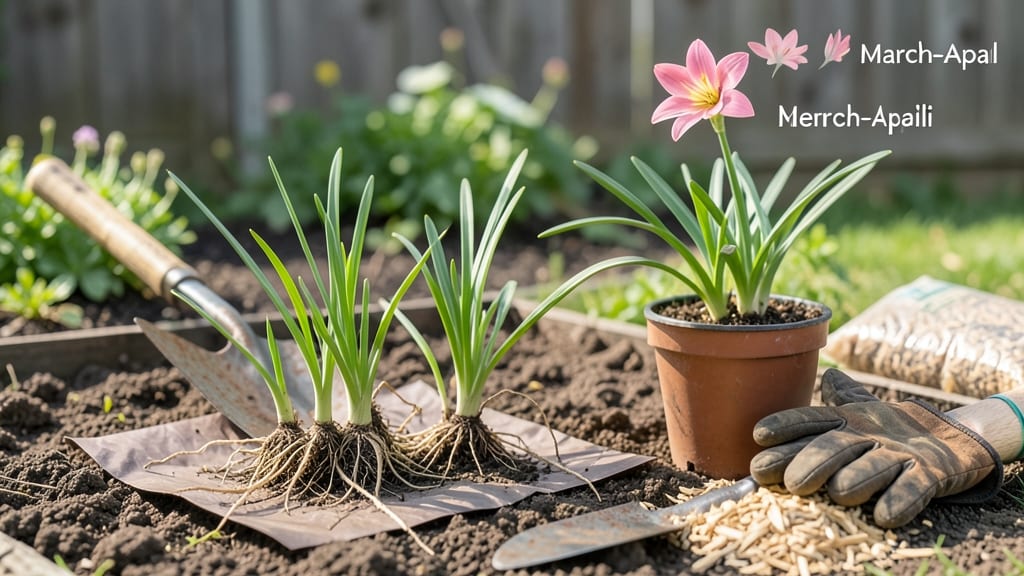
If you're dreaming of a Georgia garden bursting with vibrant 🌸 daylilies that bloom reliably year after year, timing your planting could make all the difference.
The key to thriving daylilies in USDA Zone 8a isn't just about dropping them in the ground - it's about understanding when to plant them for maximum resilience against Georgia's unpredictable weather patterns.
Most gardeners assume spring planting is the golden rule, but in Georgia's mild winters and hot summers, fall often emerges as the secret weapon for establishing strong roots before the heat sets in.
Whether you're in the Piedmont's rolling hills or near the coast's humid climate, knowing the exact window can mean the difference between weak stems and show-stopping blooms.
I've spent years watching daylilies adapt to Georgia's climate, and what I've learned will help you avoid common mistakes that lead to stunted growth or missed blooming seasons.
From soil preparation to adjusting for your specific microclimate, we'll cover everything you need to plant with confidence - whether you're a beginner or a seasoned gardener looking to refine your technique.
Ready to transform your garden into a year-round display of color? Let's dive into the perfect planting schedule that will have your daylilies thriving in Georgia's unique conditions, with tips tailored specifically for Zone 8a's challenges and opportunities.
Best planting windows for daylilies in Georgia's Zone 8a climate
Daylilies thrive in Georgia's Zone 8a when planted during two key windows: early spring (March-April) and early fall (September-October). These timing choices help avoid extreme heat and late frosts, ensuring strong root establishment before summer or winter stress sets in.
Spring planting works best after the last frost date (typically mid-March), when soil temperatures reach 55°F+. Fall planting, however, often outperforms spring because cooler temps reduce transplant shock and allow roots to settle before summer's intensity.
Georgia's microclimates play a huge role—coastal areas like Savannah have milder winters, while inland Piedmont regions (Athens, Macon) experience slightly earlier frosts. Adjust your timing 1-2 weeks earlier for inland zones.
For maximum blooms, aim to plant daylilies when soil temps are consistently above 60°F. Use a soil thermometer to check—this usually aligns with late March for spring and early October for fall in most of Georgia.
| Planting Window | Best Months | Soil Temp | Key Consideration |
|---|---|---|---|
| Early Spring | March-April | 55°F+ | Avoid late frosts; water deeply after planting |
| Early Fall | September-October | 60°F+ | Encourages root growth before winter; mulch heavily |
| Late Summer | August | 70°F+ | Risk of heat stress; only for established plants |
In coastal Georgia, you can push spring planting slightly later (into early April) thanks to warmer winters. Meanwhile, Piedmont regions should plant by mid-March to avoid unexpected frosts that can damage tender new growth.
Fall planting is my top recommendation for Georgia gardeners—it gives daylilies time to establish roots before summer's heat arrives. Plant in September for best results, as October plantings may struggle with cooler temps and shorter daylight hours.
Always choose bare-root daylilies for fall planting—they establish faster than container-grown plants. Soak roots for 1-2 hours before planting to reduce transplant shock in Georgia's often-dry fall soils.
Pro tip: Amend clay-heavy Georgia soils with compost before planting. Daylilies prefer well-draining soil with a pH of 6.0-7.0. Test your soil and adjust with lime or sulfur if needed—this small step makes a huge difference in long-term success.
For container growing, plant daylilies in late spring (May) to avoid winter damage in pots. Use a high-quality potting mix and ensure containers have drainage holes to prevent root rot during Georgia's humid summers.
Remember: Daylilies are tough but not indestructible. Planting at the right time—whether spring or fall—sets the stage for years of vibrant blooms with minimal effort. Choose your window wisely, and your daylilies will reward you with colorful displays from early summer through fall.
How Georgia's weather patterns impact daylily success (and what to watch for)
Georgia's climate throws unique curveballs at daylilies, and understanding these weather quirks can mean the difference between lush blooms and struggling plants. The state's humidity spikes, late frosts, and summer heatwaves all play critical roles in when and how you should plant these hardy perennials.
For example, coastal areas like Savannah experience higher humidity year-round, while the Piedmont's Atlanta region faces hotter summers and cooler winters—both requiring different planting strategies.
One of the biggest challenges in Georgia is the unpredictable last frost date, which can range from mid-March in the north to as late as April in the mountains.
Planting too early in Zone 8a risks exposing young daylily roots to late frost damage, while waiting too long may delay the plant's ability to establish before summer's intense heat arrives.
I've seen gardeners in Athens rush spring planting only to watch their daylilies wilt under 90°F+ temperatures by June.
Here's where fall planting often wins—it gives daylilies time to develop a robust root system before Georgia's brutal summer heat sets in.
However, timing is still critical: planting in late October or November risks exposing them to early winter chills, while early September planting allows roots to establish before the first frost.
The key is to aim for soil temperatures between 60°F and 70°F, which is ideal for root growth without stressing the plant.
The humidity factor also changes the game. In coastal Georgia, where humidity hovers around 80%+ for much of the year, daylilies need excellent airflow to prevent fungal diseases like leaf spot. This means spacing plants 18-24 inches apart and avoiding overcrowded beds.
Meanwhile, in drier inland areas, mulching becomes essential to retain moisture during summer droughts. I've noticed that red daylily varieties seem to handle Georgia's humidity better than lighter-colored ones, which can develop powdery mildew if conditions aren't just right.
Another weather wildcard is Georgia's flash droughts, where weeks of 90°F+ heat can dry out soil rapidly. Daylilies are drought-tolerant once established, but young plants need consistent moisture during their first growing season.
This is where drip irrigation or soaker hoses come in handy—they deliver water directly to the roots without wetting the foliage, reducing disease risk. I always recommend installing a rain gauge to monitor weekly rainfall, especially during Georgia's summer slump when blooms can suffer if plants aren't hydrated properly.
Don't overlook the first frost timing, either. While daylilies are hardy to USDA Zone 4, they still benefit from a gradual transition into winter. Planting in late summer or early fall ensures they have time to harden off before temperatures drop below 32°F.
In Zone 8a, this usually means wrapping up fall planting by mid-October, giving roots 6-8 weeks to establish before winter sets in. I've had the best luck with fall-planted daylilies in North Georgia, where they bloom earlier and more vigorously the following spring.
To summarize, Georgia's climate variability means you'll need to adjust your planting schedule based on your specific location. Coastal gardeners should prioritize airflow and humidity management, while Piedmont growers need to focus on summer heat protection and early frost preparedness.
By paying attention to these local weather patterns, you'll give your daylilies the best chance to thrive—and reward yourself with stunning blooms from spring through fall.
Georgia-Specific Risks to Avoid
Late Spring Frosts: Can damage tender new growth if planted too early. Monitor local forecasts and wait until after April 15 in most of Zone 8a.
Summer Heatwaves: Newly planted daylilies struggle in 90°F+ soil temps. Always plant when soil is below 75°F for best root establishment.
Humidity-Related Fungus: Coastal areas need spacious spacing (24" apart) and avoid overhead watering to prevent leaf spot and mildew.
Clay Soil Compaction: Georgia's heavy clay can suffocate roots. Amend with compost or sand before planting for better drainage.