
Plants
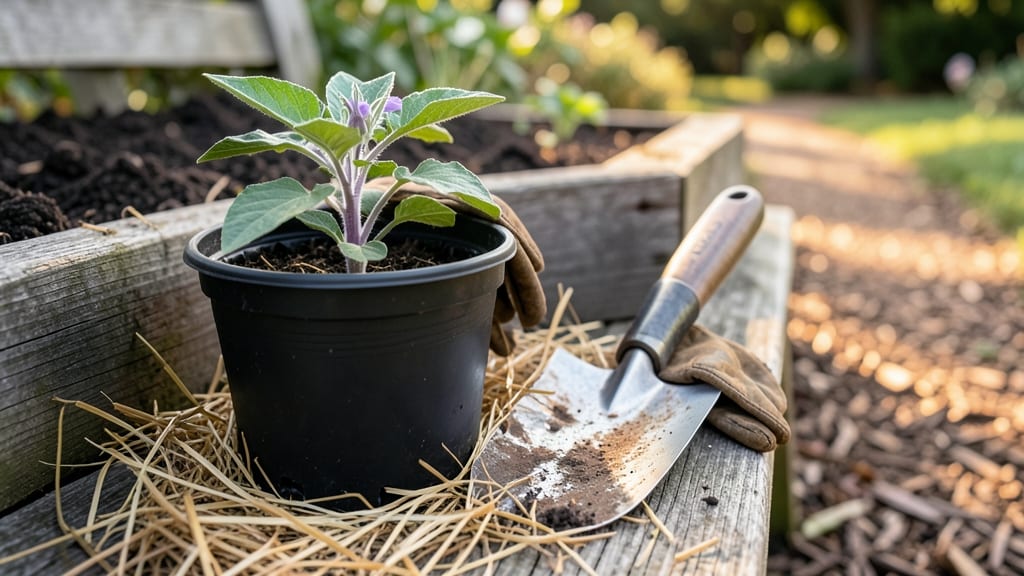
Planting eggplant 🍆 in California isn’t one-size-fits-all—coastal gardens can start in March, while inland valleys wait until May to avoid frost. Get the timing wrong, and your seedlings might bolt or struggle in the heat, leaving you with a disappointing harvest.
I’ve grown eggplants across the state’s diverse climates, and the difference between a thriving plant and a failed one often comes down to when you put those seedlings in the ground.
Whether you’re in frost-free coastal areas or hot inland valleys, knowing the right window ensures your plants mature before summer’s end.
In this guide, I’ll break down the exact planting windows for your region—coastal, inland, or desert—plus pro tips for extending your growing season. You’ll learn how to time your transplants for perfect soil warmth, avoid common mistakes, and even push your harvest later into fall.
Ready to grow bigger, healthier eggplants? Let’s dive into the science-backed schedule that works for California’s unique microclimates.
California eggplant planting dates by region: coastal vs inland timing guide
Eggplants thrive in California’s warm climate, but timing varies drastically between coastal, inland, and desert regions. Coastal areas like San Francisco and LA have frost-free winters, while inland valleys (e.g., Sacramento and Fresno) face chilly nights.
Desert zones like Palm Springs demand early starts to avoid summer heat stress. Let’s break down the optimal planting windows for each microclimate.
Your first step is knowing your last frost date—critical for coastal and inland zones. Coastal areas rarely see frost after January 31, while inland valleys may experience frost until March 15.
Desert regions? No frost risk at all, but extreme heat arrives by June. Eggplants need warm soil (70°F+) to germinate, so timing is everything.
Here’s how to match your region to the perfect planting schedule:
| Region | Last Frost Date | Ideal Transplant Window | Soil Temp Threshold | Key Variety Tips |
|---|---|---|---|---|
| Coastal (SF, LA) | Jan 31 – Mar 15 | Feb 15 – Apr 15 | 70°F+ (use row covers if chilly) | Choose compact varieties like 'Fairy Tale' for small spaces. |
| Inland Valleys (Sacramento, Fresno) | Dec 15 – Feb 15 | Apr 1 – May 15 | 75°F+ (wait for nighttime warmth) | Heat-tolerant 'Ichiban' thrives in valley heat. |
| Desert (Palm Springs) | None (frost-free) | Mar 1 – Apr 15 (avoid summer heat) | 80°F+ (use shade cloth in peak summer) | 'Black Beauty' handles desert heat better than most. |
For coastal gardeners, February 15 is your sweet spot—plant too early, and seedlings may rot in damp soil. Inland growers should wait until April 1 when soil temperatures consistently hit 75°F.
Desert plantings? March is ideal to beat the June heatwave. Pro tip: Use a soil thermometer to confirm readiness—eggplants won’t germinate below 70°F.
If you’re starting seeds indoors (recommended for coastal areas), begin 8–10 weeks before transplanting. For example, coastal gardeners should sow seeds by December 15 to have sturdy seedlings ready for February planting.
Inland gardeners can start seeds by February 1 for April transplants. Desert growers? Skip indoor starts—direct-sow in March for best results.
One common mistake? Assuming all California regions are equal. Coastal humidity can cause fungal issues if you plant too early, while inland night chills stunt growth if you wait too long.
Desert areas require shade cloth by June to prevent sunburn. Always check your local USDA zone (9–11) and adjust accordingly.
For maximum yields, pair your planting date with succession planting. After your first harvest in June–July, sow new seeds every 2–3 weeks to extend your season until October.
This works especially well in coastal zones where frost is rare. Inland gardeners can push harvests to November with row covers.
Remember: Eggplants are heat-loving annuals that bolt (flower prematurely) in cool conditions. By following these regional guidelines, you’ll avoid the heartbreak of stunted plants or wasted seeds. Next, we’ll cover how to extend your eggplant season using cold frames and shade strategies—critical for coastal and inland growers alike.
🌱
How to extend your eggplant season in California without risking frost
California’s mild winters in coastal areas and long summers inland create unique opportunities to grow eggplant almost year-round—but only if you use the right tricks.
I’ve successfully extended my harvests by 6–8 weeks using cold frames, row covers, and shade cloth, even in areas where frost is a distant memory but summer heat arrives early.
The key is balancing early starts with late-season protection. For coastal gardeners, this means starting seeds indoors in February and using row covers to shield young plants from unexpected chills. Inland growers should focus on succession planting and shade cloth to prevent bolting when temperatures soar above 90°F.
Here’s my step-by-step guide to pushing your eggplant season to its limits—without sacrificing quality or risking frost damage. Whether you’re in San Francisco or Fresno, these methods will help you harvest until November (or even later in frost-free zones).
- 🌱 Start seeds indoors 8–10 weeks before your last frost date (use grow lights for 14–16 hours of light daily).
- 🌡️ Use cold frames or row covers to protect seedlings from unexpected chills (even in coastal areas).
- ☀️ Apply shade cloth (30–50%) when daytime temps exceed 90°F to prevent bolting.
- 🌿 Succession plant every 2–3 weeks from April to July for a staggered harvest.
- 🍆 Choose heat-tolerant varieties like 'Black Beauty' or 'Ichiban' for inland/desert zones.
For coastal gardeners, the biggest challenge is often overly humid conditions that invite fungal diseases. I recommend using drip irrigation and spacing plants 18–24 inches apart to improve airflow.
In inland valleys, the priority shifts to heat management—mulching with straw and watering deeply in the evening helps maintain steady soil moisture.
One of my favorite tricks? Planting eggplant alongside basil or marigolds. The basil deters pests like aphids, while marigolds repel nematodes—both of which can devastate eggplants in California’s warm soil. Plus, the basil’s fragrance masks the eggplant’s scent, making it harder for pests to find your plants.
If you’re in a frost-free zone like Palm Springs, you can technically plant eggplant year-round, but I still recommend a short break in winter (December–February) to let the soil recharge. During this time, focus on composting or growing cold-hardy greens like kale to keep your garden productive.
Remember: The goal isn’t just to extend your season—it’s to maximize fruit production. With the right timing and protection, you can enjoy homegrown eggplants for up to 6 months in California.
Start with one of these methods this year, and watch your harvests grow bigger and more abundant than ever before! 🌿