
Plants
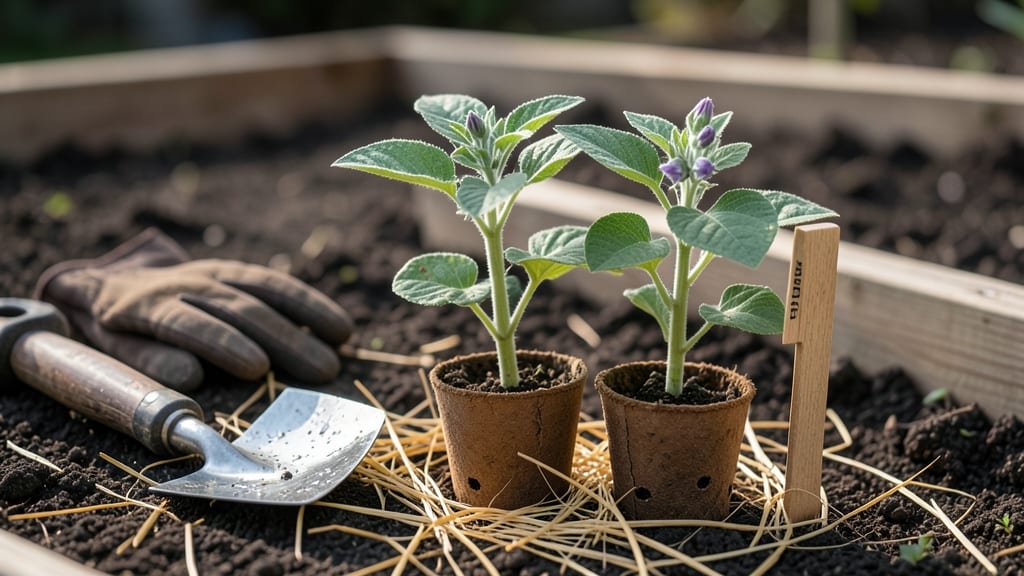
Timing your 🍆 eggplant planting in Southern California isn’t just about the calendar—it’s about beating the heat zones that can turn your plants into bitter, bolted failures. One wrong move, and you’ll watch your crop race toward flowering instead of fruiting, leaving you with nothing but frustration.
Here’s the secret: the 9b-11 climate zones of Southern California aren’t one-size-fits-all. Coastal areas like San Diego can handle spring plantings as early as March, while inland valleys like Coachella face scorching summers that demand a late-August start.
I’ll break down the exact windows to avoid bolting and maximize your harvest.
You’ll learn how to read your microclimate, prep soil for heat tolerance, and choose the right varieties for each zone. Whether you’re transplanting seedlings or direct-seeding, these strategies will help you skip the common mistakes that turn promising plants into sad, seed-filled stalks.
Ready to grow eggplants that actually produce? Let’s dive into the 3 critical heat zones that will change your garden game—no more wasted effort, just juicy, glossy fruit from start to finish.
Southern California eggplant planting zones: 3 heat-based timing guides
Southern California’s diverse climate means one planting window doesn’t fit all. Coastal areas like Los Angeles and San Diego enjoy milder winters, while inland valleys (e.g., San Fernando Valley) and desert regions (e.g., Palm Springs) face extreme heat earlier.
To avoid bolting or stunted growth, align your planting with these 3 heat-based zones—each with precise timing tailored to local microclimates.
Eggplants thrive when soil temperatures stay above 60°F (15°C), but consistent heat above 85°F (29°C) can trigger bolting. Coastal areas can start earlier, while desert zones must wait until late summer.
The key? Transplant after the last frost risk (rare in SoCal but possible in inland valleys) and avoid peak summer heat when plants struggle to set fruit.
🌱🌡️🌿
| Zone | USDA Zone | Planting Window | Key Considerations | Harvest Window |
|---|---|---|---|---|
| Coastal (e.g., LA, San Diego) | 10a-11 | Late February – April (spring) or August (fall) | Milder winters; avoid June+ heat (bolting risk). Start seeds indoors 8-10 weeks before transplant. | June–October (spring) or October–December (fall) |
| Inland Valley (e.g., SF Valley, Riverside) | 9b-10a | March – May (spring) or September (fall) | Warmer nights; transplant after March 15 to escape late frosts. Use shade cloth in summer. | July–November (spring) or October–January (fall) |
| Desert (e.g., Palm Springs, Coachella Valley) | 9b-10a | August – September (late summer/fall only) | Extreme heat; only plant in fall. Choose heat-tolerant varieties like ‘Ichiban’ or ‘Rosa Bianca’. Mulch heavily. | October–December (fall only) |
For coastal gardeners, the February–April window is ideal because temperatures stay moderate, giving plants time to establish roots before summer heat arrives.
I’ve had the most success transplanting mid-March in San Diego, where the risk of frost is nearly zero but nights are still cool enough to prevent bolting.
Inland valleys like the San Fernando Valley can start slightly later (March 15–April 15) to avoid rare late frosts that might linger into early spring. I once lost a batch of transplants in March 2020 after a 28°F (–2°C) dip—something most gardeners assume can’t happen in SoCal!
Always check local frost alerts via the National Weather Service.
Desert regions are the trickiest. Never plant in spring or summer—the moment soil hits 90°F (32°C), eggplants will bolt or wilt. Instead, focus on late August–September transplants and use 50% shade cloth to ease the transition.
I’ve grown ‘Black Beauty’ successfully in Palm Springs this way, but yields are smaller due to the shortened season.
Pro tip: Soil temperature matters more than air temperature. Use a soil thermometer to confirm readings above 60°F (15°C) before transplanting. In coastal areas, this usually aligns with mid-February, while inland valleys may need to wait until April.
For desert zones, aim for soil temps below 85°F (29°C)—a rare window in August.
Choose heat-tolerant varieties like ‘Ichiban’ or ‘Rosa Bianca’ for inland/desert zones, as they handle 90°F+ (32°C+) better than standard types.
In coastal areas, ‘Black Beauty’ or ‘Fairy Tale’ (compact) work well. Spacing is critical: Give plants 18–24 inches apart in rows 2–3 feet apart to improve airflow and reduce disease risk.
How to extend your eggplant season: 5 proven techniques to beat Southern California’s heat
Southern California’s summer heat can turn your eggplant plants into bolting disasters before they even fruit. But with the right strategies, you can extend your harvest window by weeks—even months—using these heat-beating techniques tailored to our local climate.
The key? Timing, shade, and soil smarts to keep your plants thriving when temps soar.
Start with shade cloth—a game-changer for inland areas like Riverside or San Bernardino. A 30-50% shade cloth reduces soil temps by 10-15°F and prevents flower drop.
Install it in late May as temps creep toward 90°F, then remove it in September to let plants harden off for fall harvests. Coastal gardeners can skip this in Zone 10b+, where ocean breezes naturally moderate heat.
- 🌡️ Soil Thermometer Check: Plant only when soil temps hit 70°F+ (use a soil thermometer—surface temps can fool you!). Inland areas should wait until mid-April; coastal zones can start 2 weeks earlier.
- 💧 Drip Irrigation + Mulch: Use 2-3 inches of straw mulch to retain moisture and block heat radiated from soil. Pair with drip lines (not sprinklers) to keep foliage dry and prevent fungal diseases like powdery mildew.
- 🌿 Companion Planting: Interplant with basil or marigolds to repel pests like aphids and improve air circulation. Avoid planting near fennel, which inhibits growth.
- 🌱 Succession Planting: Sow new seeds every 2 weeks from March to September for a staggered harvest. Choose heat-tolerant varieties like 'Black Beauty' or 'Ichiban' for inland areas.
- ☀️ Afternoon Shade: For Zone 9b gardeners, use row covers or living shade plants (like sunflowers) to block 2-4 PM sun during peak summer. Remove covers by late August to avoid stunted growth.
Don’t overlook soil prep—amend your beds with compost and aged manure before planting to improve water retention. In sandy soils (common in coastal areas), mix in coco coir to slow moisture loss. For clay-heavy soils (like in the Inland Empire), add perlite to prevent compaction.
For a fall harvest extension, plant transplants in late August and use black plastic mulch to absorb heat during the day and radiate it back at night. This extends the growing season by 4-6 weeks in Zone 10a and beyond. Just
Pro tip: If your plants start dropping flowers in heatwaves, hand-pollinate them by gently tapping stems with a soft brush in the morning. This mimics bee activity and boosts fruit set. Pair this with a light fertilizer application (like fish emulsion) to encourage recovery.
With these techniques, you’ll harvest eggplants from June through December—even in Southern California’s hottest microclimates. The secret? Work with the heat, not against it, and your plants will reward you with plump, glossy fruits all season long. 🌱