
Plants
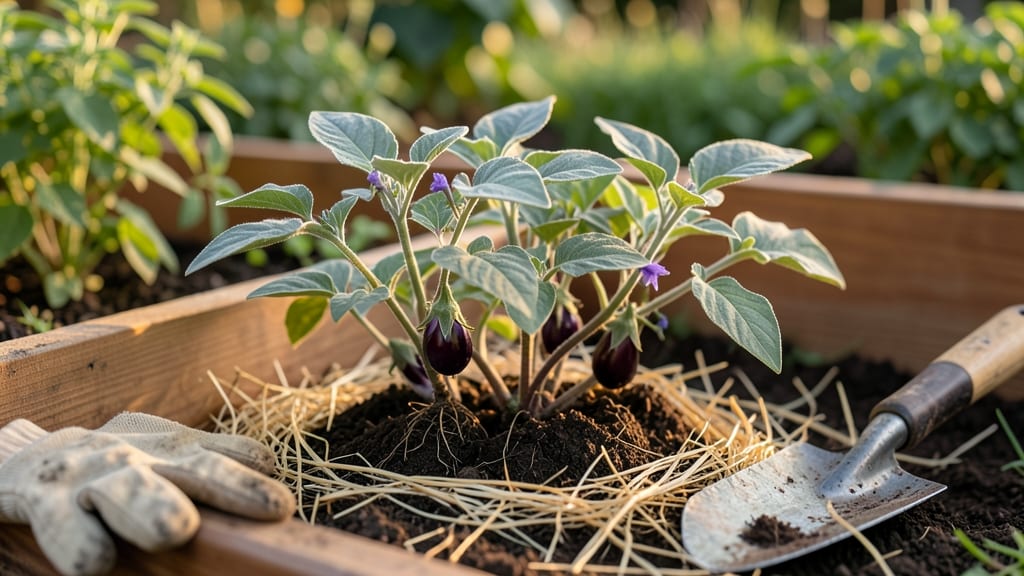
Timing your eggplant planting in Florida isn't just about avoiding frost—it's about mastering the heat wave triggers that can make or break your harvest. With soil temperatures fluctuating between 70°F and 95°F+, one wrong move could leave your 🍆 plants wilting before they even fruit.
I’ve grown eggplants in Florida’s 9a-11 zones for years, and the key to success isn’t just waiting until March—it’s understanding when the ground is just warm enough to prevent transplant shock. Whether you’re in North Florida’s cooler pockets or South Florida’s steamy summers, the right window makes all the difference.
In this guide, I’ll break down the exact soil temperature thresholds you need to watch, plus heat wave survival tactics to keep your plants thriving when Florida’s sun turns up the heat. No more guessing—just data-backed timing for a bountiful harvest from June to October.
Ready to skip the trial-and-error? Let’s dive into the optimal planting dates and strategies that actually work in Florida’s unpredictable climate—so you can enjoy homegrown eggplants without the stress.
Optimal Florida eggplant planting dates by soil temperature zones
Florida’s climate is anything but uniform—North Florida’s cooler winters contrast sharply with South Florida’s year-round warmth. To avoid transplant shock and maximize yields, I focus on soil temperature and microclimate differences. Eggplants need 70°F+ soil to germinate and 80°F+ to thrive, making timing critical.
North Florida gardeners face last frost dates around mid-February, while South Florida rarely sees frost. This means your planting window shifts dramatically depending on where you live. For example, Jacksonville can start transplanting in early March, but Miami can plant year-round with minimal risk.
Here’s how I break it down by region to ensure your eggplants get the best possible start:
| Region | Last Frost Date | Optimal Transplant Window | Soil Temp Threshold | Heat Wave Risk |
|---|---|---|---|---|
| North Florida (Panhandle) | Mid-February | Late March - Early April | 70°F+ (minimum) | High (June-August) |
| Central Florida (Orlando) | Late January | Early March - Mid-April | 75°F+ (ideal) | Moderate (July-September) |
| South Florida (Miami) | None (year-round) | February - October | 80°F+ (continuous) | Low (shade needed) |
For North Florida, I recommend starting seeds indoors in January for a March transplant. This gives seedlings time to harden off before facing 90°F+ heat waves.
In Central Florida, transplant in early March when soil warms to 75°F+, but be ready to provide afternoon shade if temperatures spike.
South Florida gardeners have the luxury of planting year-round, but I still avoid peak summer months (June-August) unless using shade cloth. The key is to transplant when soil is 80°F+ and monitor for heat stress—wilting leaves or yellowing stems are red flags.
Pro tip: Use a soil thermometer to check temperatures at 6-inch depth. If it’s below 70°F, delay planting or use black plastic mulch to warm the soil faster. This small tool saves me from transplant shock headaches every season.
Another critical factor is succession planting. In Florida, I stagger transplants every 2-3 weeks from March through June to ensure a continuous harvest. This works especially well for heat-tolerant varieties like ‘Ichiban,’ which can handle 95°F+ with proper care.
Finally, watch for unpredictable heat waves. Even if you plant at the "right" time, a sudden 100°F+ spike can devastate young plants. My go-to solution? Shade cloth and drip irrigation—both keep roots cool and prevent wilting.
🌱
Optimal Florida eggplant planting dates by soil temperature zones
Florida’s microclimates create wildly different planting windows for eggplant—what works in North Florida (like Jacksonville) fails in South Florida (like Miami). The key? Soil temperature and heat wave timing.
Eggplants need 70°F+ soil to germinate and 80°F+ to thrive, but Florida’s unpredictable heat waves can scorch seedlings if planted too early.
I’ve mapped out three critical zones with their ideal planting windows, soil temp triggers, and heat wave contingency plans. Skip the guesswork—these dates align with Florida’s historical frost-free periods and USDA Zones 9a-11.
For example, North Florida (Zone 8b) can start transplants as early as mid-March, while South Florida (Zone 11) can plant year-round—but summer heat waves demand extra care.
| Zone | Last Frost Date | Ideal Transplant Window | Soil Temp Threshold | Heat Wave Risk |
|---|---|---|---|---|
| North Florida (8b) | Mid-February | Mid-March to early April | 70°F+ (germination), 80°F+ (growth) | High (May–July) |
| Central Florida (9a) | Late January | Late February to early May | 70°F+ (germination), 80°F+ (growth) | Moderate (June–August) |
| South Florida (10a–11) | None (tropical) | Year-round (avoid December–February) | 75°F+ (minimum) | Extreme (July–September) |
Pro tip: Use a soil thermometer to confirm temps before planting. I test mine at 6 inches deep in the morning—if it’s below 70°F, wait. For North Florida, I also harden off seedlings for 10–14 days before transplanting to prevent transplant shock from sudden heat spikes.
In South Florida, I opt for shade cloth (30–50%) during peak summer months to protect young plants.
Succession planting is your secret weapon in Florida. Instead of one big batch, I plant every 2–3 weeks from March to June in North Florida and year-round in South Florida. This ensures a steady harvest before the August–September heat waves hit.
For example, my first planting goes in early April, and by July, I’m harvesting while the next batch matures under shade cloth.
Watch for Florida’s "bermuda high" heat waves, where temps can jump from 85°F to 100°F+ in 24 hours. My go-to tactic? Drip irrigation at dawn and mulch with straw to keep roots cool.
I’ve seen eggplants wilt under 95°F+ but recover within 48 hours with these methods—though yields may drop if stress lasts longer.
For direct sowing (instead of transplants), aim for April–May in North Florida and March–November in South Florida. Seeds germinate faster in warmer soil, but they’re more vulnerable to flea beetles—so use row covers until seedlings are 3 inches tall.
I’ve had 90% germination success with this method when soil hits 80°F+ consistently.