
Plants
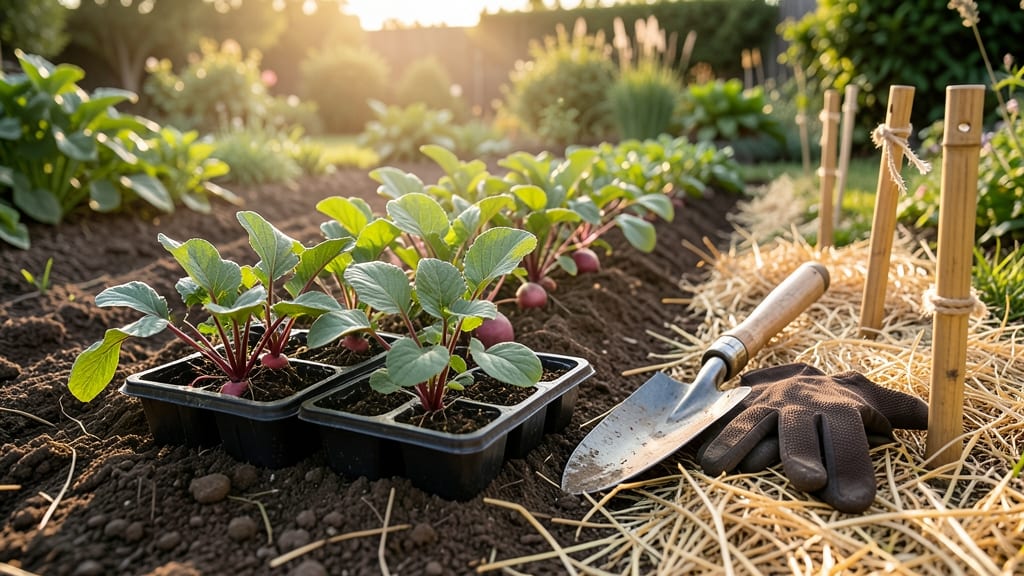
Timing your fall beet planting in Zone 6 is the secret to harvesting those sweet, tender roots instead of tough, woody ones you’ll regret. With just 4-6 weeks before your first frost, getting the schedule right makes all the difference between a bountiful harvest and wasted effort.
I’ve grown beets 🍠 in Zone 6 for years, and the key isn’t just about the calendar—it’s about understanding how your local climate behaves. Too early, and you’ll deal with bolting; too late, and frost will ruin your crop before it matures.
Let me show you exactly when to plant for perfect timing every season.
Fall-planted beets taste richer and store better than their summer counterparts, but only if you follow the right steps. We’ll cover the ideal planting window, soil prep tricks, and how to stretch your harvest window even longer. Ready to grow the best beets of your life?
Whether you’re a first-time gardener or a seasoned green thumb, these insights will help you avoid common mistakes and maximize your yield. Let’s get those seeds in the ground at the perfect moment!
Optimal fall planting windows for Zone 6 beets (with frost timing)
Fall beets in Zone 6 thrive when planted 8–10 weeks before your first frost, typically between mid-August and early September. This timing ensures roots mature before cold snaps, delivering sweeter, more tender harvests than spring plantings.
The key? Balancing soil warmth and daylight hours to avoid bolting or stunted growth.
In Zone 6, the average first frost falls around October 15, but local variations matter. For example, Detroit’s frost date might be October 20, while Denver’s could be October 5.
Adjust your planting window accordingly—aim for September 1–15 for most of the region, with late August as a backup for fast-maturing varieties.
Soil temperature is just as critical as calendar dates. Beets grow best in 50–75°F soil. Test your soil with a thermometer—if it’s below 50°F, wait 1–2 weeks or use black plastic mulch to warm it faster. Cool soils slow germination and lead to leggy, bitter roots.
Variety choice impacts timing too. Detroit Dark Red (60 days) needs an earlier start, while Golden Beets (50 days) can wait until late August. Check seed packets for days-to-maturity and subtract from your frost date to pinpoint your deadline.
| Planting Window | Frost Buffer | Soil Temp | Best Varieties |
|---|---|---|---|
| Mid-August | 10 weeks before frost | 55–65°F | Detroit Dark Red, Chioggia |
| Early September | 8 weeks before frost | 60–70°F | Golden Beets, Baby Beets |
| Late September | 6 weeks before frost (risky) | 65–75°F | Quicktop (fastest) |
✅ Pro Tip: Use row covers to extend your window by 2–3 weeks if frost arrives early.
Extending your harvest into late fall? Try succession planting every 2 weeks after your initial date. Sow a final batch in mid-September for a November harvest, using row covers to protect tender greens. Just beware: beets planted after September 20 risk bolting (flowering) if days shorten too quickly.
Frost itself isn’t the enemy—hard freezes (below 25°F) are. Most beet varieties tolerate light frosts (28–32°F), sweetening as starches convert to sugars. To push limits, mulch heavily with straw or harvest before ground freezes. Roots stored in sandy soil or containers can last weeks longer.
Local microclimates can shift your timeline by 1–2 weeks. South-facing beds warm faster; north-facing spots may need earlier starts. Urban areas with heat islands (like Chicago) can delay frost by 7–10 days, while rural zones may freeze sooner. Check your local cooperative extension service for hyper-local data.
Remember: smaller beets (1–2 inches) are sweeter and less prone to woodiness. If you miss the ideal window, opt for leaf beet varieties (like Fordhook Giant)—their greens tolerate cooler temps better than roots.
With the right timing, your fall beets will outperform spring plantings in both flavor and yield.
Optimal fall planting windows for Zone 6 beets (with frost timing)
Fall beets thrive in Zone 6 when planted 8–10 weeks before your first frost date, typically between mid-August and early September. This timing ensures roots mature before hard frost hits, delivering sweeter, more tender harvests than spring plantings.
The key is balancing soil warmth and daylight length—beets need 6–8 hours of sun daily and soil temps above 45°F for germination.
In Zone 6, the average first frost lands around October 15, but local microclimates can shift this by 1–2 weeks. For example, areas near lakes or elevation changes may experience frost 10–14 days earlier.
Always check your local frost date (via the USDA Plant Hardiness Zone Map) to fine-tune your schedule.
| Planting Window | Weeks Before Frost | Soil Temp (°F) | Beet Variety Days to Maturity |
|---|---|---|---|
| Mid-August | 10–12 weeks | 50–60°F | 45–50 days (e.g., 'Detroit Dark Red') |
| Early September | 8–10 weeks | 55–65°F | 50–60 days (e.g., 'Golden') |
| Late September | 6–8 weeks | 60–70°F | 30–40 days (e.g., 'Babybeat') |
For fastest harvests, opt for 30–40-day varieties like 'Babybeat' or 'Early Wonder Tall Top' when planting in late September. These mature quickly and tolerate light frosts, making them ideal for succession planting if your season extends into November.
Conversely, longer-season varieties (50–60 days) like 'Detroit Dark Red' need the earliest August start to avoid bolting or woody roots.
Pro Tip: If your first frost arrives early, use row covers or cold frames to extend the season by 2–3 weeks. Beets can handle light frosts (28–32°F), but hard freezes (below 28°F) will damage roots. Always monitor your local weather forecasts 1–2 weeks before harvest to plan accordingly.
Avoid planting after mid-September unless you’re using fast-maturing varieties—beets grown in cool fall soil develop woody textures and bitter flavors. Instead, focus on soil enrichment (compost or aged manure) and consistent moisture to keep roots tender and sweet through harvest.
For Zone 6 gardeners, the sweet spot is early September plantings—this gives roots 8–10 weeks to mature before frost while avoiding the heat stress of late summer. Pair this with succession sowings every 2 weeks for a continuous harvest through November.