
Plants
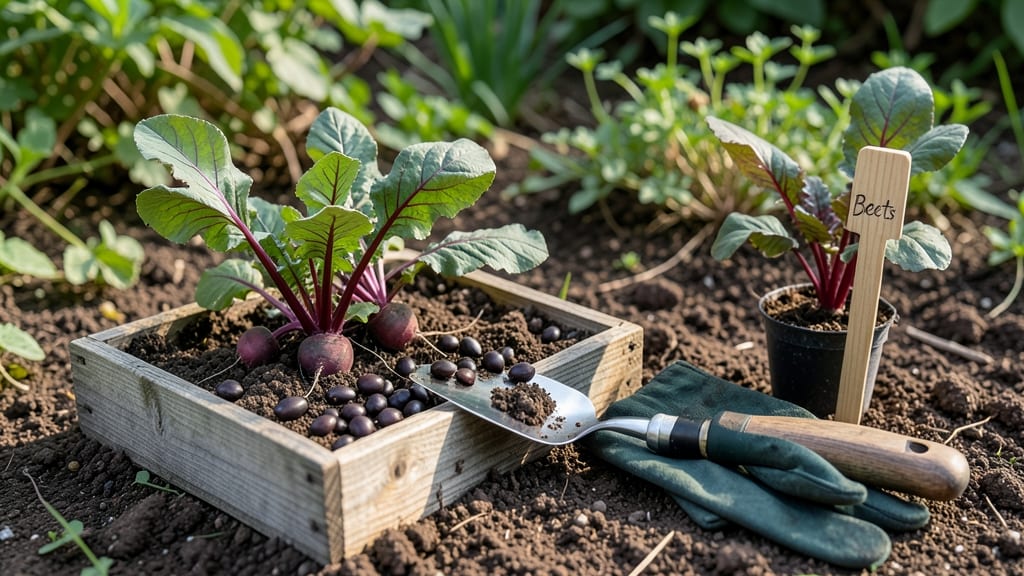
Timing your fall beet planting in Zone 7 is the secret to harvesting those sweet, tender roots instead of tough, woody disappointments. With just a few weeks difference, you can go from garden gold to frustration—so let’s get this right.
Beets like 🍠 thrive in cooler weather, and Zone 7’s late summer to early fall window is perfect for them. The key?
Planting 8-10 weeks before your first frost—that’s around mid-August to early September for most of 7a-7b. This timing ensures your beets mature before winter sets in, giving you a harvest window from October through November.
Why does this matter? Fall-planted beets avoid the heat stress of summer, grow faster, and taste sweeter. Plus, cooler temps mean fewer pests and diseases—so you’re not just growing food, you’re growing easier food.
Let’s break down the exact steps to nail your planting schedule and keep those roots happy until harvest.
From soil prep to frost deadlines, I’ll walk you through everything you need to know to turn your Zone 7 garden into a beet bonanza. No more guesswork—just sweet, reliable harvests every fall.
Zone 7 fall beet planting calendar: exact weeks before frost for harvestable roots
Fall beets thrive in Zone 7 when planted at the perfect moment—8 to 10 weeks before your first frost. For most Zone 7 gardens, this means starting seeds between mid-July and early September, depending on your variety.
The key? Soil temperatures between 50°F and 75°F—too hot, and seeds bolt; too cool, and growth stalls.
Beets need 50 to 70 days to mature, but cooler fall temps slow their growth.
Planting too early (like June) risks bolting from heat, while planting too late (after early September) may not give roots enough time to sweeten before frost. Your goal: harvest before hard frost—when temps drop below 20°F.
Here’s the science-backed breakdown: In Zone 7, the average first frost hits October 15. Count backward 60 days (ideal maturity) to land on early August for your last planting window. For faster varieties, push it to mid-September.
For sweetest roots, aim for 60 days to harvest in cooler fall temps. If you’re growing 'Detroit Dark Red' (a classic variety), plant in early August for a mid-October harvest. For 'Babybeat' (smaller, faster), stretch your window to mid-September.
Zone 7’s cool nights and warm days in fall create ideal conditions for beets. The sugar content peaks when roots grow slowly—perfect for roasting or pickling. Just avoid planting when daytime temps exceed 80°F; seeds may fail to germinate.
Use row covers if frost threatens early. They add 2-4°F of protection, extending your harvest by weeks. Remove covers during the day to prevent overheating. Hard frost (below 28°F) kills beets, so plan accordingly.
Test your soil’s pH (6.0-7.0 is ideal) before planting. Amend with compost or aged manure for loose, fertile soil. Beets hate compacted or rocky soil, which causes misshapen roots. Loosen soil to 12 inches deep for best results.
After planting, water deeply 1-2 times per week (1-1.5 inches total). Let soil dry slightly between waterings to prevent bolting. Mulch with straw or grass clippings to retain moisture and suppress weeds. Consistent moisture = sweeter roots.
Harvest beets when roots reach 1-3 inches in diameter. Pull gently—if the top snaps off, the root will keep growing. Leave 1 inch of stem attached to prevent bleeding. Store in moist sand in the fridge for up to 2 weeks.
How to adjust planting dates for early vs late varieties in Zone 7
Not all beet varieties mature at the same speed, and in Zone 7, this means the difference between a successful fall harvest and a wasted effort.
Fast-maturing varieties like 'Detroit Dark Red' (50-55 days) can be planted as late as early September, while slower types like 'Golden' (65-75 days) need to hit the soil by mid-August. The key? Staggered planting to extend your harvest window.
For early varieties, aim to plant around August 15-30—this gives them enough time to mature before the first frost (typically mid-October in Zone 7). If you’re growing late varieties, start them 4-6 weeks earlier, around mid-August, to ensure they’re ready by November.
This strategy lets you enjoy fresh beets for 6-8 weeks instead of just a few.
Here’s the trick: Succession planting. Sow a batch of fast varieties every 2-3 weeks starting in mid-August. This way, as one batch reaches harvest size, another is just getting established.
For example, plant 'Babybeat' (45 days) in late August for a September harvest, then follow with 'Chioggia' (60 days) in early September for an October pick.
Don’t forget to check your seed packet—it’ll list the exact days to maturity. If your zone’s first frost is October 15, subtract the maturity days from that date to find your planting window.
For 'Detroit Dark Red', that’s September 15 (70 days before frost), while 'Golden' needs to be in by August 20.
Soil temperature is just as critical as dates. Beets grow best when soil is between 50-75°F. In Zone 7, late August to early September usually hits this sweet spot. Use a soil thermometer to confirm—if it’s below 50°F, wait a few days. Cold soil slows germination and can lead to stunted growth or bolting (when beets flower prematurely).
Pro tip: Mulch heavily after planting to keep soil temps stable and moisture levels high. A 2-inch layer of straw or shredded leaves can make all the difference in maintaining ideal conditions for your beets. This is especially important in late September when nights start to cool down faster.
By matching your beet variety to the right planting window and using succession planting, you’ll turn your Zone 7 garden into a beet-producing machine—no more guessing, just consistent harvests all fall long. 🌱
| Variety | Days to Maturity | Zone 7 Planting Window | Harvest Window | Notes |
|---|---|---|---|---|
| Detroit Dark Red | 50-55 | Aug 15-Sep 15 | Sep-Oct | Fast, bold flavor |
| Golden | 65-75 | Aug 1-Mid Aug | Oct-Nov | Sweet, golden roots |
| Babybeat | 45-50 | Late Aug-Sep 10 | Sep-Oct | Tiny, tender roots |
| Chioggia | 60-65 | Early Aug-Late Aug | Oct-Nov | Striped, mild flavor |
Once you’ve picked your varieties and locked in your planting dates, soil prep becomes your next priority. Beets thrive in loose, well-draining soil with a pH between 6.0-7.0. Work in 2-3 inches of compost or aged manure a few weeks before planting to give your roots the nutrients they need.
Avoid fresh manure—it can cause bolting or forked roots.
After planting, keep an eye on your beet seedlings. Thin them to 2-3 inches apart once they’re 2-3 inches tall to prevent competition. This might seem harsh, but it ensures your remaining plants grow larger and sweeter.
Use scissors to snip unwanted sprouts at soil level to avoid disturbing the roots of nearby plants.
With the right variety mix and timing, your Zone 7 garden will deliver homegrown beets for weeks—no more rushing to the store or settling for store-bought blandness. Happy planting! 🌿