
Planting
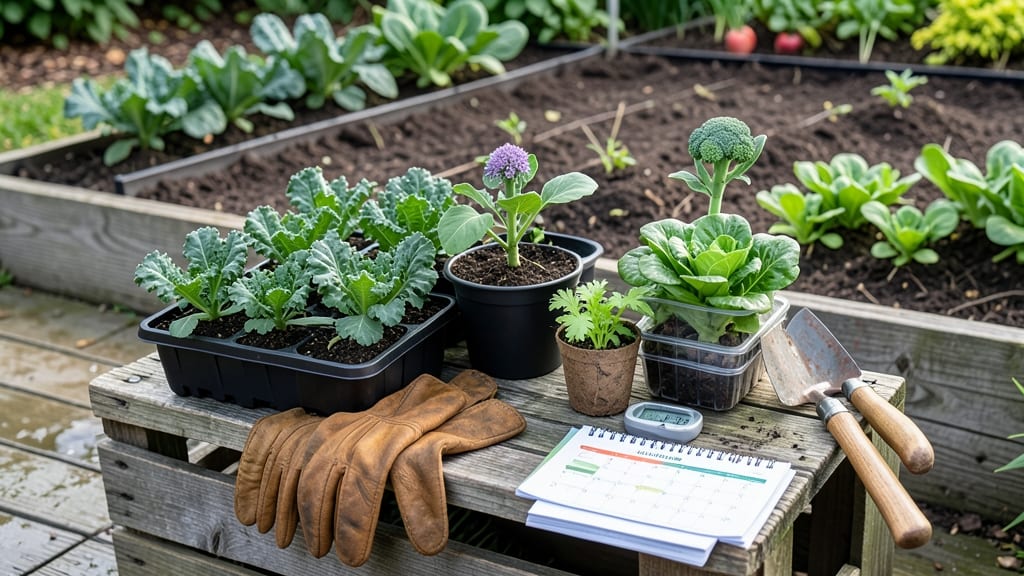
Timing your fall garden in Missouri can feel like a high-stakes guessing game—plant too early, and frost ruins your hard work; too late, and you miss the sweet spot for a bountiful harvest.
The key lies in understanding your USDA zone (5b-6a) and working with Missouri’s unpredictable weather patterns.
Most gardeners in Missouri start sowing 🌱 fall garden vegetables between mid-August and mid-September, but the exact window depends on your location and the crops you’re growing.
For example, fast growers like radishes can handle late starts, while slower varieties need a head start to mature before the first frost hits around mid-October.
In this guide, I’ll break down the zone-specific deadlines you need to avoid frost damage, plus the best crops for Missouri’s short fall season. Whether you’re a beginner or a seasoned gardener, these tips will help you extend your harvest well into November—without the stress of last-minute planting.
Ready to turn your fall garden into a success? Let’s dive into the exact dates, soil prep tips, and crop choices that work best for Missouri’s climate. You’ll learn how to maximize your yield and keep your garden thriving—even when the weather gets chilly.
Missouri fall planting deadlines by USDA Zone (avoid frost damage)
Missouri’s USDA Zones 5b-7a experience first frost dates between October 15-30, depending on location. To avoid frost damage and maximize your fall harvest, timing is critical.
Plant too early, and your crops may bolt or suffer; too late, and they won’t mature before winter. Here’s your zone-specific planting timeline based on Missouri climate data.
For Zone 5b (northern Missouri), the last planting date for cool-season crops is September 15. This zone has the earliest frost risk, so prioritize fast-maturing varieties like radishes (25 days) or spinach (40 days).
In Zone 6a (central/southern Missouri), you can extend planting until September 30, giving you room for slightly slower growers like kale (60 days) or carrots (70 days).
Missouri’s first frost average shifts 1-2 weeks later in southern zones (e.g., Zone 7a near Springfield). Use these deadlines as guidelines, but always check your local frost date forecasts (e.g., Missouri State Climate Office) for real-time adjustments.
Pro tip: Plant 4-6 weeks before frost for most vegetables to ensure maturity.
| USDA Zone | Last Planting Date | First Frost Avg. | Ideal Crops | Notes |
|---|---|---|---|---|
| Zone 5b (St. Louis, Columbia) | September 15 | October 15 | Radishes, Spinach, Lettuce | Prioritize fast growers; soil cools quickly. |
| Zone 6a (Kansas City, Springfield) | September 30 | October 22 | Carrots, Kale, Broccoli, Peas | Soil stays warm longer; extend to early October. |
| Zone 7a (Southeast MO) | October 10 | October 30 | Brussels Sprouts, Turnips, Collards | Longer season; try slow growers with row covers. |
🌱 Pro Tip: Use Missouri Extension’s frost calculator for your exact location.
Missouri’s fall soil temperatures drop faster than spring, so prep your beds early.
Test your soil’s pH (6.0-7.0 ideal) and amend with compost or aged manure in late July to give nutrients time to integrate. Cool-season crops like leafy greens thrive in 50-65°F soil, while root vegetables need 60-70°F for best growth.
If you’re planting seeds vs. transplants, adjust your timeline. Direct-sow seeds (e.g., carrots, peas) 2-3 weeks earlier than transplants (e.g., cabbage, broccoli) because they germinate faster.
For example, in Zone 6a, sow carrot seeds by September 1 but wait until September 15 for broccoli transplants to avoid bolting.
Missouri’s fall weather patterns can be deceptive—cool mornings with warm afternoons trick some gardeners into delaying planting. Don’t fall for it! Early September is the sweet spot for most cool-season crops. Use row covers or cold frames to push your last planting date by 10-14 days in protected beds.
I’ve extended my spinach harvest until November 1 using a simple floating row cover.
Missouri’s northern regions (e.g., Zone 5b) face higher frost risk, so focus on 30-45 day crops like bush beans or turnip greens. In southern zones, you can afford slightly slower growers like Brussels sprouts (90 days) or cabbage (70 days).
Always check the Missouri Botanical Garden’s planting calendar for updates, as La Niña/El Niño years can shift frost dates by 1-2 weeks.
Best fall crops for Missouri gardens (fast-growing vs. slow-growing varieties)
Choosing the right fall crops for Missouri depends on how quickly they mature—some varieties like radishes or spinach can handle late starts, while others like Brussels sprouts or kale need early planting to avoid frost damage.
The key is matching your crop’s days to maturity with Missouri’s short fall season (typically 90-120 frost-free days after mid-September).
Fast growers (30-50 days) like bush beans or turnips are perfect for late August/early September sowing—they’ll mature before the first frost in October. Slow growers (60+ days), such as carrots or cabbage, need a head start by mid-August to reach harvest size before cold snaps hit.
Missouri’s soil stays warm longer in the south (Zone 6a) than in the north (Zone 5b), so adjust planting dates accordingly. For example, lettuce thrives in cooler temps but bolts quickly in heat—start seeds indoors in late July for transplanting by early August.
Meanwhile, broccoli and cauliflower prefer cooler soil and should go in after soil temps drop below 75°F in late August.
🌱 Fast vs. Slow Fall Crops for Missouri
- 🌱 Radishes
- 🌱 Spinach
- 🌱 Bush Beans
- 🌱 Turnips
- 🌱 Arugula
Plant late August-September for harvest before frost.
- 🌱 Kale
- 🌱 Carrots
- 🌱 Cabbage
- 🌱 Brussels Sprouts
- 🌱 Broccoli
Plant mid-August for maturity before first frost.
Herbs like cilantro and parsley also excel in Missouri’s fall gardens—they tolerate light frosts and even taste sweeter after a cold snap. For flowers, pansies and snapdragons thrive in cooler temps and add color until hard frosts arrive.
Just avoid planting heat-lovers like tomatoes or peppers after August 15—they won’t mature in time.
To maximize your fall harvest, prioritize cool-season crops that love Missouri’s crisp autumn air. Start with fast growers for late-season bounty, then add slow growers 4-6 weeks before your area’s first frost date (check the Missouri Climate Center for local averages).
With the right mix, you’ll enjoy fresh greens, roots, and herbs long after summer’s heat fades.
🌿 Don’t forget to mulch newly planted crops with straw or leaves to insulate roots and retain moisture as temps drop.